Late October to late November is the most beautiful time to be in Japan and the most competitive for ryokan rooms and good guides. We start planning nine to twelve months ahead for colour season, and the plan is built around the trains. Here is how the pieces fit together.
When the colour arrives
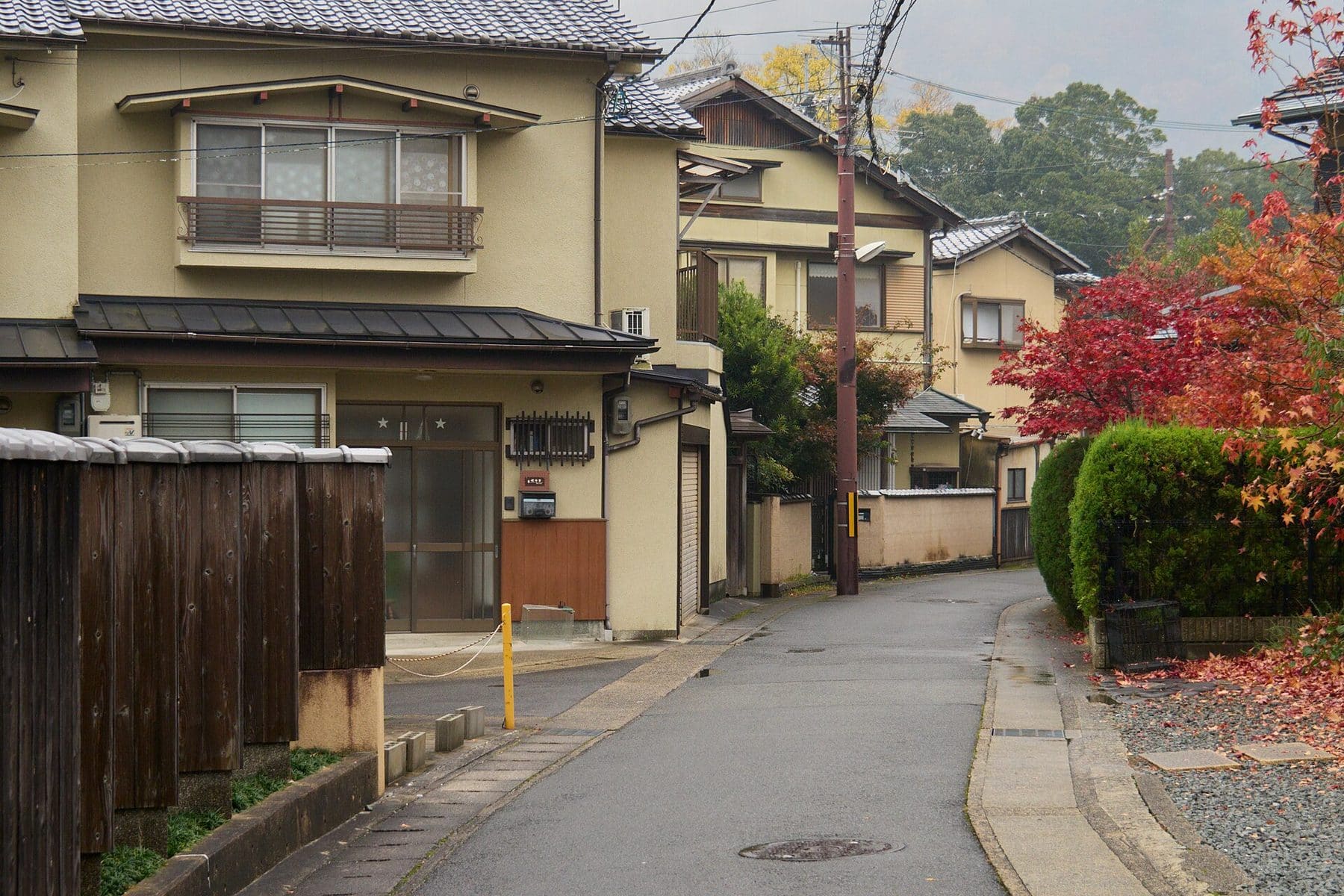
Autumn moves south and downhill. Hokkaido and the high Alps turn in October; Nikko and the mountains around Tokyo follow in late October and early November; Kyoto and Nara are usually at their best in the second half of November, sometimes running into early December. A two-week trip can follow the colour, starting high and ending in Kyoto.
The trains are the plan
Japan's railways are the itinerary's spine. We book reserved seats, forward the luggage between hotels so you travel with a day bag, and time the arrivals so that the ryokan dinner is never rushed. Kaiseki is served at a fixed time and is not something to arrive late for. A guide for two or three days of the trip, rather than all of it, is usually the right balance: enough to unlock places that are hard to find or read, without a chaperone for the whole fortnight.
Kyoto in colour season
Kyoto in November is crowded, and pretending otherwise does nobody any good. We go to the temples early, before the gates officially open where that is possible, and spend the afternoons in the quieter northern and eastern neighbourhoods, in gardens that need a booking, or out of the city altogether. Evenings at the illuminated temples are worth the queues once; a second time is optional.
Ryokan and onsen
A ryokan in the hills between the two cities gives the trip its heart: private baths, a kaiseki dinner, and a morning that starts slowly. Hakone, the Kiso Valley, and the onsen towns of the Japan Alps all work, and each gives a different landscape. Two nights is the minimum; one night in a ryokan is a hotel room with a complicated dinner.
Tokyo at the start or the end
Both work. Starting in Tokyo gives you a soft landing and time to adjust before the trains. Finishing in Tokyo gives the trip a crescendo and the easiest departure. Families often prefer to start there; couples often prefer to finish.
The practical part
Book ryokan first, then trains, then guides. Pack for cool mornings and mild afternoons. Carry cash; many small places still prefer it. Learn to read a station map. And leave gaps in the plan: the best afternoon of the trip is usually the one that was not scheduled.