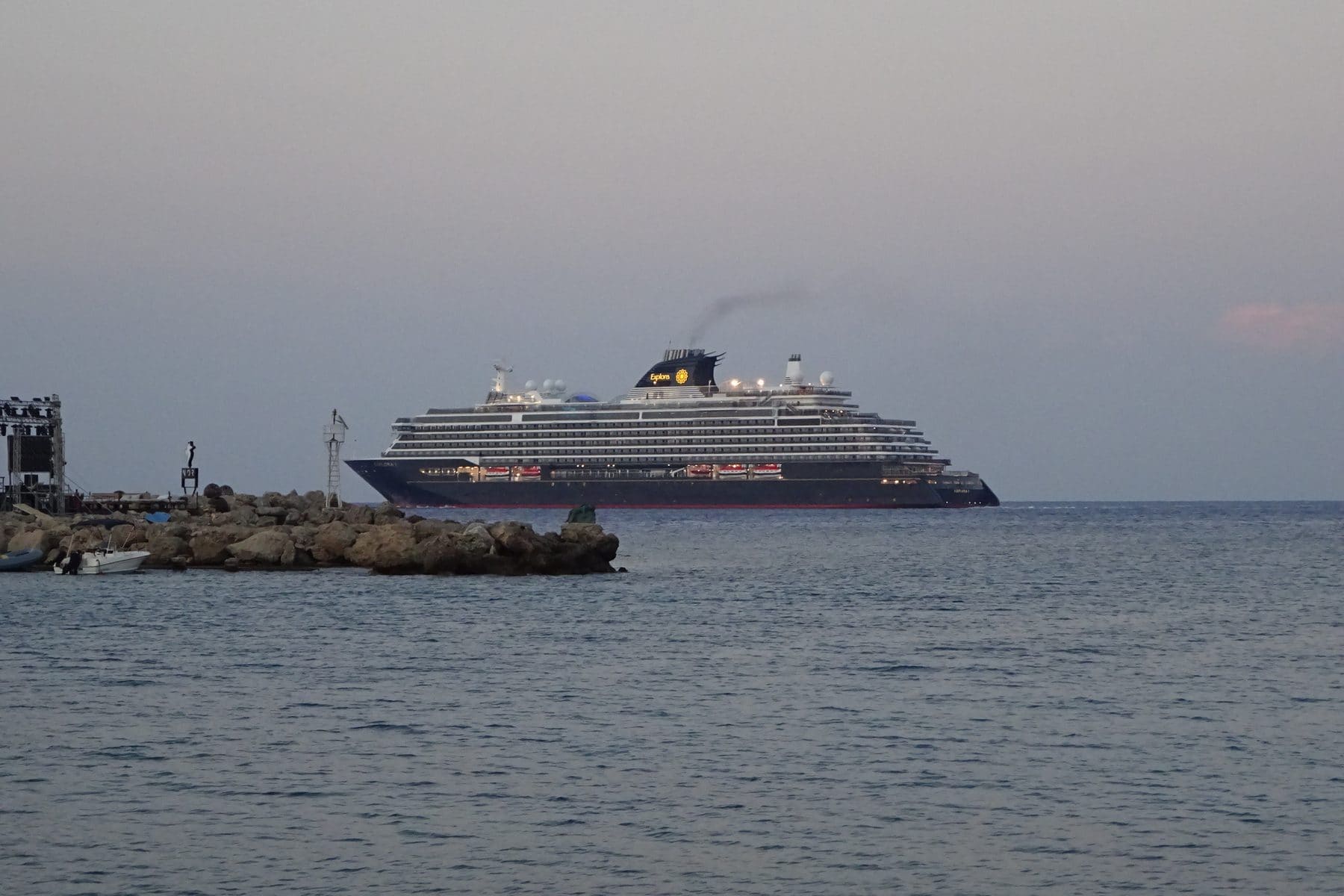
Explora families should book layout before dates
Explora works well for three generations when the suite layout leads every other decision. Book connected space first, then settle dates, ages, flights, and fare terms in that order. Explora I and Explora II provide the clearest family setup within the available details. This sequence protects grandparents’ privacy while keeping children close enough for practical care. Reversing it can leave a suitable sailing with the wrong room arrangement, which matters more than a preferred embarkation day.
Start by counting sleepers, bathrooms, separate beds, and adults who need quiet after dinner. Match that plan to Ocean Suites, Ocean Penthouses, or Ocean Residences before comparing individual Journeys. Families using three or four suites should examine Journey Together Gathering as a different structure, not another room discount. Its stated setup requires at least one Ocean Penthouse or Ocean Residence, so the lead category affects the whole group’s arrangement and transfer terms.
Set the age map next because Explora separates children into distinct access groups. Nautilus Club serves ages six through 17, while ages three through five attend only at designated times with an adult. Babies from six through 23 months fall under a different fare rule and lack organized club care. A family expecting drop-off care for a young child should stop here. The ship will not fit that requirement, regardless of suite size or sailing date.
Price the complete trip only after the rooms and age rules fit the family. The younger-guest offer applies to selected Journeys and journey fare, not every surrounding expense. Hotels, transfers, Destination Experiences, and paid onboard activities sit outside that offer. That distinction changes the comparison for grandparents covering several households. Explora includes core onboard items, yet the family still needs a separate plan for arrival nights, airport movement, and private touring.
Nautilus age rules decide the Explora fit
Decide first whether the youngest child needs supervised drop-off care or only shared family activities. Nautilus Club opens daily from 9:00 a.m. until midnight for guests ages six through 17. That broad window can support separate adult dinners and later teen independence. It does not make Explora a nursery ship. Parents with preschoolers keep a different rhythm, while families with school-age children gain much more flexibility from the same sailing.
Place every child’s age on the actual sailing date before choosing a suite or fare. Babies younger than six months cannot join the voyage under the stated rule. Infants six months through two years can receive toys in the suite, but Nautilus provides no organized program for them. That gap matters for grandparents expecting the ship to supply daytime childcare. Bring the caregiving plan into the first family discussion, not after everyone chooses excursions.
Treat ages three through five as accompanied participants rather than club users with open access. They may enter during specific intervals for activities designed for that group, with a parent or guardian present. This arrangement can suit a family planning shared mornings and alternating adult time. It will frustrate parents seeking several uninterrupted hours daily. Couples bringing grandchildren without the parents should decide which adult will cover those sessions before selecting dining and shore plans.
Use the ship’s adult boundary to test expectations across all three generations. Helios Pool & Bar on Deck 12 is reserved for adults at the forward end. Children may use other designated public areas, while busy periods can bring added adult-only or family zones. That division suits families comfortable separating during the day. It is not ideal for a group expecting every pool and lounge to remain available for shared time from breakfast onward.
Plan 2027 school breaks around selected Journeys
Begin a 2027 family plan in October 2026 when connected accommodation is nonnegotiable. Start with the school calendar, grandparents’ medical needs, and the youngest child’s age on departure. Then search only the selected Journeys eligible for the younger-guest terms. The offer is ongoing for new reservations but may be withdrawn, so it should not drive a delayed decision. A workable suite arrangement remains the harder requirement and deserves the earliest commitment.
Use more lead time for June through August 2027 than for dates outside school breaks. Summer concentrates families around the same weeks, which increases pressure on adjoining doors and higher categories. A region should follow the family calendar, not override it. Compare flight length, likely arrival needs, and the number of school days missed before choosing the map. Families with a six-month-old face a firm threshold, making the child’s exact departure age more important than seasonal preference.
Treat November 2026 through March 2027 planning as a transport exercise as much as a cruise choice. Winter breaks compress flight choices and hotel nights for several households arriving from different American cities. Build one shared arrival target before anyone buys air independently. Explora’s general younger-guest offer excludes pre-journey and post-journey transfers, so those movements remain part of the family budget. A port shuttle, where required or available, serves a different purpose after the ship arrives.
Allow extra planning time when three or four suites must function as one household. Journey Together Gathering adds a category condition and group transfer feature, which creates more moving parts than a single connected pair. A shorter lead can still work when dates and layouts remain flexible, but families should choose which variable may bend. Grandparents paying for the trip should set that priority early. The suite pattern, sailing week, and embarkation region rarely carry equal weight for every household.
Explora I connected Ocean suites fit generations
Choose Explora I or Explora II when a connected configuration solves the family’s privacy problem. The two ships list 82 connected suites intended for multigenerational groups. Available categories span Ocean Suites, Ocean Penthouses, and Ocean Residences. The useful distinction is not status alone. It is the combination of doors, sleeping positions, bathrooms, and gathering space. Ask for the exact suite numbers and floor plan because a category name cannot show how your households will live together.
Use connected Ocean Suites for families that want proximity without making one large suite the social center. This approach can suit grandparents beside parents and children, especially when each household keeps its own door and bedtime. Ocean Penthouses add another category choice when more interior living space matters. Ocean Residences suit groups prioritizing a larger shared base. The correct answer depends on occupancy and connection pattern, not on assigning the highest category to the person paying.
Consider Journey Together Gathering when the party needs three or four separate suites rather than one connected pair. The structure requires one booking to include an Ocean Penthouse or Ocean Residence among those suites. That larger accommodation can become the group’s meeting room while other households retain private quarters. One under-18 guest in each suite receives the program’s stated fare treatment. This setup fits grandparents funding several family units better than squeezing everyone into third and fourth berths.
Avoid Explora when the family wants one cabin holding a very large group or extensive care for toddlers. The strongest accommodation case is several oceanfront suites arranged as a private cluster. It is weaker for adults expecting children to occupy every spare berth simply to lower the average fare. Each sleeper still needs a suitable bed, storage, bath access, and quiet period. A workable diagram matters more than the total square footage printed beside one category.
Connected Ocean Residences sell before flexible extras
Protect scarce connected configurations before reserving optional shore plans or extra hotel nights. Explora I and Explora II have a finite set of 82 connected suites across three categories. A specific door arrangement cannot be recreated after nearby suites are taken. Ocean Residences within a group plan deserve early attention because Journey Together Gathering requires a Residence or Penthouse. Families needing three or four suites therefore face more constraints than couples selecting one open category.
Reserve the exact sleeping plan before relying on younger-guest savings. Infants six through 23 months and children ages two through 17 receive their stated treatment only as additional occupants under the applicable terms. The first and second guests do not become eligible simply because they are minors. That occupancy rule can change which adult and child belong in each suite. Moving names later may affect the fare structure, even when the family keeps the same total headcount.
Leave Destination Experiences until the group agrees on stamina, mobility, and supervision. Explora offers family-oriented choices such as a farm visit or a space center meeting with an astronaut. Those plans remain separate from the younger-guest fare offer and can be chosen after the core reservation. Grandparents may prefer a shorter outing while parents take older children elsewhere. The ship and suite pairing should not wait while eight people debate one day ashore.
Delay paid onboard extras when they do not affect capacity or family care. The journey fare already includes broad dining, beverages, gratuities, and high-speed Wi-Fi, reducing the need for early package decisions. Families can also use city-center shuttles where Explora makes them available or necessary. Those provisions do not replace a scarce connected doorway. Secure fixed inventory first, then add choices that remain interchangeable across adults, teens, and younger children.
Journey Together transfers do not cover every flight
Build flights around one agreed arrival plan rather than the least expensive ticket for each household. A missed embarkation affects grandparents, parents, and children at once, especially when several connected suites depend on everyone arriving. Pre-journey and post-journey hotels and transfers remain outside the general younger-guest offer. Treat them as separate trip components. Families flying from multiple American gateways should choose a shared hotel and meeting time before purchasing independent round-trip flights.
Separate Journey Together Gathering transfers from ordinary airport and hotel transportation. The group program states that ship transfers are included for all guests in its arrangement involving three or four suites. That benefit is tied to the qualifying booking structure, including an Ocean Penthouse or Ocean Residence. It does not erase the need to map every movement. Record where the transfer begins, which arrival window works, and how child seats, strollers, and mobility equipment travel with the group.
Use arrival hotels to absorb schedule differences between generations. Grandparents may want a slower first day, while families with children need beds soon after an overnight flight. One property simplifies reunion logistics, baggage handling, and the morning departure. A hotel after the cruise can also prevent an impractical same-day airport rush. Those nights sit beyond the journey-fare offer, so compare the complete arrangement rather than judging only the cruise reservation for everyone.
Match insurance to the person paying and the households taking part. The policy should reflect cruise, air, hotel, transfer, and nonrefundable shore commitments under the correct traveler names. Grandparents funding several cabins need a clear record of who owns each reservation and charge. Families should also map medical needs, trip interruption exposure, and missed-connection consequences across the party. Insurance is not an onboard inclusion, and a group booking does not make every household’s risk identical.
Third-berth age rules can undo family savings
Do not assign suites by family surname before testing the occupancy rules. A child ages two through 17 may receive up to the stated reduction only in an eligible additional-guest position. An infant ages six through 23 months has a separate complimentary rule. Put either child in the first or second position, and the expected treatment does not follow. Grandparents paying for several rooms should request one written occupancy grid showing every guest and berth.
Do not assume a preschooler can attend Nautilus without an adult. Ages three through five enter only during assigned periods with a parent or guardian. Building spa appointments, long lunches, or separate excursions around drop-off care creates an immediate scheduling failure. Families with ages six through 17 have a different level of club access. The costly mistake is choosing Explora for care it does not provide, then discovering the distinction after flights and hotels are committed.
Do not treat every transfer as included because one group program mentions transportation. Journey Together Gathering applies to a specific structure involving three or four suites and carries its own category requirement. The broader younger-guest offer excludes transfers before sailing and after the cruise. Confusing those terms can leave a large party arranging vehicles late. The same caution applies to Destination Experiences and paid onboard activities, which remain outside the child-fare treatment even when the cruise fare receives a reduction.
Do not let an offer determine the ship if the family arrangement fails. Benefits may apply only to selected Journeys and can disappear, while a poor sleeping plan lasts every night. Explora also preserves Helios Pool & Bar for adults, which may surprise a group expecting unrestricted shared access. The wrong fit costs more than a missed promotion. Families wanting toddler care, one giant cabin, or every venue open to children should choose another style of ship.
Check Explora suite numbers before the deposit
Ask for a room-by-room diagram before anyone authorizes payment. It should show ship, deck, suite numbers, connecting doors, category, berth assignments, and each traveler’s age. For Explora I or Explora II, identify every Ocean Suite, Ocean Penthouse, or Ocean Residence in the cluster. A verbal promise that rooms are nearby is not equivalent to a connection. Grandparents should also see which suite serves as the family gathering point and who sleeps there.
Request one written fare record separating cruise inclusions from family extras. It should also identify the selected Journey and each third or fourth occupant receiving special treatment. This prevents one household from assuming another person’s benefit covers its costs. Keep the nine dining experiences and included beverages distinct from anything charged separately aboard.
Put the care schedule beside the itinerary before final payment. Mark Nautilus access for ages six through 17, accompanied periods for ages three through five, and the plan for every younger child. Add adult dinners, shore days, grandparents’ rest periods, and use of Deck 12’s Helios area. A family can then see where care depends on one person. This exercise often reveals a conflict that cabin selection alone cannot solve, especially across three generations with different energy levels.
Confirm with a specialist the exact ship and suite numbers, connecting doors, berth assignments, child ages on the sailing date, Nautilus access, Journey Together eligibility, transfer origins and endpoints, hotel and flight exclusions, Destination Experience charges, cancellation terms, payment deadlines, insurance purchase dates, mobility arrangements, crib requests, and every traveler name before paying, so all three generations receive one consistent written plan rather than separate assumptions across several households and reservations.
Questions people ask
Good to know
Questions, answered
Does Explora provide baby equipment in the suite?
Hosts can supply cribs, blankets, linens, and pillows when requested. Younger guests can also receive smaller bathrobes, slippers, and hangers. Make these requests against the specific suite reservation rather than assuming every connected room needs identical equipment. Families with twins or cousins of similar ages should state quantities for each Ocean Suite, Penthouse, or Residence in their cluster.
What games and technology are available in Nautilus Club?
Nautilus includes PlayStation 5, PlayStation VR2, Xbox, Nintendo Switch, iPads, and Oculus Pro equipment. The program can also feature technology tournaments, foosball, a pool table, board games, and a digital library. Availability of a favorite console should not determine the booking. The more useful question is whether each child falls within the six-through-17 drop-off age band.
Are there active programs beyond the children’s club?
Younger guests may receive reserved periods at the Sports Court and one heated pool. Activities can include sports, painting, arts and crafts, and games around the ship. Explora also runs sessions about marine conservation, environmental impact, tourism, and community support through its MSC Foundation partnership. These options suit school-age children better than infants, who receive in-suite toys rather than organized activities.
Can the grandparents save as third or fourth guests?
Adults placed as the third or fourth guests in one suite may receive savings of up to 25 percent on eligible selected Journeys. That rule is different from the child and infant treatment. It can help when an adult grandchild or grandparent shares, but berth comfort and privacy still matter. Compare that arrangement against a separate connected suite before assigning an adult to an additional berth.
What wellness access is included for adults?
The journey fare includes access to the thermal area at Ocean Wellness, The Spa, plus group fitness, wellness, and mindfulness activities. These inclusions can give adults useful time apart while children follow their planned schedule. They do not create childcare. Parents of children ages three to five still need an accompanying adult during the child’s designated Nautilus period, so coordinate wellness times across generations.
Still have a question? Book a free 30 minute call or send us the brief.
Sources
Where to go next
- Family cruises: Which ships genuinely work with children, and which quietly don't.
- Compare the lines: Families, children, food and formality, side by side.
- Book a free 30 minute call: Tell us who is traveling; we will shortlist the ships we would consider.







