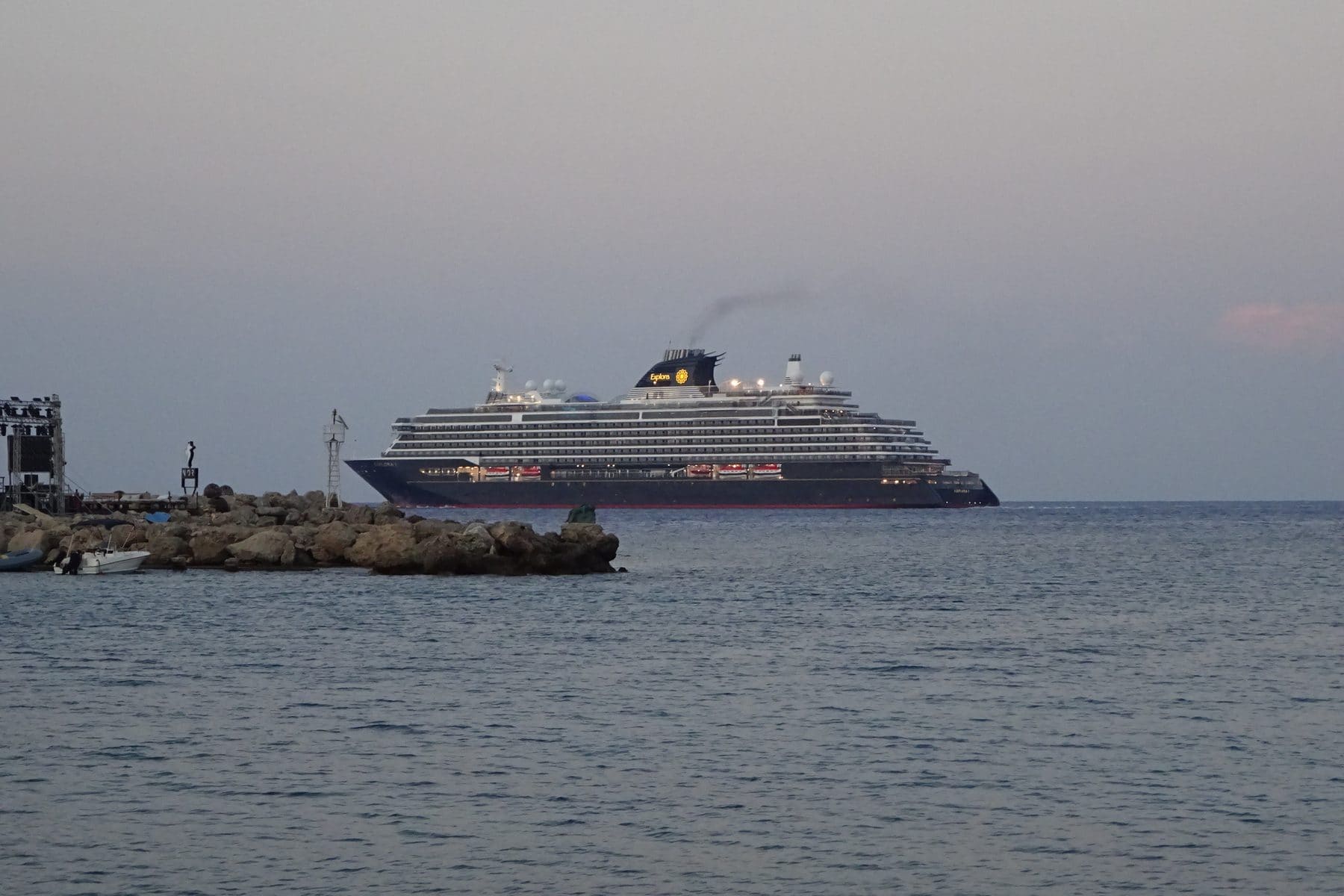
Explora II wins for three generations
Choose Explora II for a Mediterranean family summer when several generations want space, flexible meals and an informal daily rhythm. Choose Explora I instead when its ports or available connecting suites fit the group better. Both ships support multigenerational travel, so the decisive differences are usually itinerary and cabin position. Explora II makes the clearest case for grandparents funding several suites, parents wanting dependable youth facilities and teenagers who need more than a small playroom.
Explora II also works well for couples joining a larger family celebration without sharing every hour. The ship separates family time from adult time through distinct public areas and private suite combinations. Grandparents can take a residence, while parents and children occupy nearby Ocean Suites or Ocean Penthouses. That arrangement provides more independence than placing three generations into one larger accommodation, particularly when early bedtimes, room service and different morning routines matter.
This is principally an Explora II versus Explora I decision because the two ships share the line’s family structure. Each offers connected accommodation, youth facilities and experiences designed for mixed-age groups. Explora II has its own interior details and wellness additions, but it does not represent a different family concept. Families should therefore compare the exact Mediterranean route, neighboring suite numbers and embarkation port before treating the newer ship as the automatic choice.
Explora II is not our first choice for families wanting a large water park, character entertainment or supervised care throughout the preschool years. It is also wrong for adults seeking a child-free ship. The atmosphere suits families who can enjoy meals, ports and quiet deck time together, then separate for several hours. Children remain part of the ship’s public life, while adults retain designated space away from the busiest family periods.
Ocean Suites connect across Explora II
Explora II’s 456 ocean-facing suites give families a useful starting point: nobody must accept an interior cabin. The category list begins with Ocean Terrace Suites and Ocean Grand Terrace Suites, then progresses through Penthouses and four larger Residence types. Space per guest still depends on occupancy. Two connected suites usually serve a family better than placing additional guests on sofa beds, because they add another bathroom, another terrace and a door that can close at night.
Ocean Grand Terrace Suites on decks 6 and 7 add a private terrace with a dining table and daybed. The terrace measures seven square meters, about 75 square feet. This category suits parents who want outdoor space without moving into a Penthouse. A pair of connecting Ocean Terrace or Ocean Grand Terrace Suites should be compared against one larger category by counting real beds, bathrooms and terrace seats, not merely total floor area.
The family inventory includes 82 multigenerational connected suites across Explora I and Explora II. Connections can involve Ocean Suites, Ocean Penthouses and Ocean Residences, allowing several layouts rather than one fixed family cabin. That flexibility matters for grandparents who want a larger primary suite beside children and grandchildren. Availability can be much tighter than the ship’s overall suite count suggests because the correct doors, occupancy limits and bed arrangements must align on one sailing.
Larger parties should examine Cove Residence, Retreat Residence, Serenity Residence and Cocoon Residence before defaulting to several entry categories. These accommodations add residential features and higher-touch service, while the Owner’s Residence stands apart at the top. A Residence beside a connected or nearby suite can create a practical gathering place. The better arrangement is the one that protects bedrooms from group traffic and gives each household private storage, a bathroom and an appropriate sleeping surface.
Nine dining experiences keep Explora II flexible
Explora II’s nine included culinary experiences, including in-suite dining, suit families who resist a fixed nightly routine. The ship identifies six restaurants, giving a multigenerational party several settings without requiring every meal together. Parents can feed a tired child in the suite, while grandparents keep a longer dinner elsewhere. That flexibility is more valuable during a port-heavy Mediterranean trip than another formal venue, because shore days rarely end at the same hour for every generation.
Children may use the restaurants, lounges, pools and bars apart from the adults-only Helios Pool & Bar. The culinary team can prepare younger guests’ choices throughout the day, reducing dependence on one children’s menu or narrow meal period. Families should still set expectations for a quiet dining environment. Explora II welcomes children, but its restaurants are designed around conversation and paced meals rather than the noise, speed and constant entertainment found on larger resort ships.
Service is personal without requiring formal daily rituals. Explora II lists a 1.25-to-one guest-to-host ratio, while Residence guests receive added help from dedicated hosts or managers. Available assistance can include unpacking, garment care, in-suite dining, transportation planning and restaurant reservations. That support helps a large group divide tasks. It does not mean every family should schedule together, since separate reservations often preserve a better pace for grandparents, young children and teenagers.
The ship’s itinerary style favors slower port calls over rapid turnover. Explora has used longer stays, overnight visits and less conventional arrival or departure hours in the Mediterranean. Combinable seven, 14 and 21-night structures let families choose between a focused vacation and a longer regional trip. Seven nights usually suits younger children and first time cruisers. Fourteen nights works better when grandparents want recovery time between ambitious shore days and the family can tolerate repeated unpacking only once.
Nautilus suits ages six through 17
Nautilus Club works best for independent school-age children and teenagers from six through 17. It opens daily from 9:00 a.m. until midnight, creating useful coverage around adult dinners and late Mediterranean departures. The schedule supports families who want shared shore time followed by separate onboard evenings. Teenagers receive a dedicated setting rather than being grouped with toddlers, which makes Explora II more credible for multigenerational parties that include both middle-school and high-school ages.
Children from three through five may attend only during designated periods and must have a parent or guardian present. Infants from six through 24 months have no organized Nautilus activities or nursery facilities. Those rules make Explora II a weaker choice for parents expecting drop-off care for preschoolers. A family with a baby can still enjoy the ship, but the adults must plan meals, spa visits and excursions around their own childcare arrangement.
Grandparents gain genuine breathing room at Helios Pool & Bar, an adults-only area forward on Deck 12. The separation is especially useful during busy school-break sailings, when selected areas may receive adult-only or family designations. A grandparent can retreat without abandoning the family trip, while children receive reserved periods at a heated pool and Sports Court. That balance suits relatives who enjoy children but do not want every public space organized around them.
Explora II is less suitable for a family whose children need constant scheduled entertainment or close supervision. Nautilus provides activities, but the ship’s appeal still depends on meals, ports, pools and time together. Confident teenagers should do particularly well because they can move between technology, sports and family plans. Reserved children may need parental help joining activities, while preschoolers remain closely tied to an adult during their limited club access.
Explora II includes drinks, gratuities and Wi-Fi
Explora II includes a broad beverage selection that simplifies group accounting. Wine, spirits, specialty coffee, tea and soft drinks are available throughout the ship, and the in-suite minibar is included. Each suite also receives a welcome bottle of Champagne. This structure suits grandparents paying for several households because many routine onboard purchases are removed from daily discussion. Families should still compare the specific minibar and beverage terms attached to their booked suite category.
Onboard gratuities and high-speed Starlink Wi-Fi are included, reducing two common variables for a large party. Port-to-city shuttle service is also included where it operates and is available. The shuttle can matter in Mediterranean ports where the berth sits beyond the walkable center, although families should not build a timed independent tour around it. Private transfers, rental cars and mobility assistance require their own planning because the included shuttle serves the ship’s broader schedule.
Access to the spa thermal area and onboard fitness program is included. Explora also includes selected well-being activities ashore within its stated program. These benefits favor adults and older teenagers who will actually use them. Parents with small children may receive less practical value because Helios and some wellness spaces have age restrictions or adult purposes. Residence-level service adds another distinction, with private bars replenished to preference and more direct help managing reservations.
Destination Experiences should be treated separately from the shipboard inclusion list when comparing total vacation costs. The same caution applies to specialty treatments, private vehicles, independent guides and any event-specific access. A family should price the vacation around the activities it will genuinely book, not the length of the included-items list. Explora II becomes less compelling when several relatives will skip beverages, thermal facilities and fitness activities but still value extensive guided touring in every port.
Explora II favors the Western Mediterranean
For summer 2027 planning, Explora II is strongest when its live itinerary links Western Mediterranean ports that reward longer days ashore. Barcelona offers simple air access and a practical stay before the cruise, while St. Tropez, Monte Carlo and Porto Cervo favor smaller-scale coastal touring. That mix suits grandparents who want recognizable ports without repeating the same type of excursion daily. It also gives teenagers beaches, waterfront towns and independent walking time between structured family outings.
Eastern Mediterranean choices deserve equal attention when the family values archaeology and major city stays. Mykonos, Athens and Istanbul create a more intensive touring pattern, while Syros and Marmaris can soften the pace. Families should avoid choosing solely by the number of ports. A late departure or overnight can matter more than another daytime call, particularly in Istanbul, where several generations may want different tours and a shared dinner ashore afterward.
Smaller calls distinguish the line when they are paired intelligently. Rovinj, Calvi, Portofino and Lipari offer a different scale from Barcelona or Athens, reducing the need for long transfers before the day begins. Tender operations may complicate strollers, wheelchairs and independent movement, so port sequence matters as much as name recognition. Grandparents with limited stamina usually benefit from alternating compact coastal calls with one demanding city rather than scheduling consecutive full-day excursions.
Duration should follow the youngest and oldest travelers, not the person paying. Seven nights can feel busy when every day includes a tour, while 14 nights allows the family to skip a port without regretting the journey. A 21-night combination suits experienced cruisers who can maintain separate routines and manage longer absences from home. School calendars, medication supplies and transatlantic flights often make a shorter Mediterranean section more realistic for three generations traveling together.
Explora I wins when its route fits
Explora I wins when it has the stronger port sequence or the only workable connecting layout. The shared family structure means Explora II should not command the decision merely because it entered service later. A well-positioned Ocean Penthouse beside an Ocean Suite can be more useful than a higher category separated by several corridors. Families needing three or four adjacent accommodations should place cabin geometry ahead of ship preference, especially during the summer school-break period.
Another luxury line wins when reliable drop-off care below age six is essential. Explora II’s three-to-five access requires an accompanying parent or guardian, while babies receive no organized club program. Parents expecting long adult-only excursions, spa afternoons and uninterrupted dinners may find that structure restrictive. The ship also loses for families seeking constant stage shows, large waterslides or a heavily scheduled children’s day. Those priorities point toward a different style of vacation, not a better suite.
A land stay wins when the group’s main purpose is deep time in one city or region. Even an overnight call cannot replace several nights based in Rome, Barcelona or Istanbul. Grandparents who dislike gangways, tender transfers or daily port changes may also prefer a hotel-centered plan. Explora II works better when the ship itself is part of the vacation and the family accepts selective touring rather than trying to cover every major sight during a single port call.
Explora II regains the advantage when adults value its ship-specific refinements. Its Helios furnishings, revised Ocean Wellness Spa and Ayurvedic treatment program distinguish it from a purely interchangeable sister-ship choice. Those details matter most during sea days and afternoons left unscheduled. They matter less to a family that intends to spend every possible hour ashore. Choose the other ship when its route and adjoining inventory are stronger, even if Explora II’s public spaces appeal more.
Confirm Explora II doors before booking
Start with the sleeping plan, not the ship name. List every traveler, age, bed requirement and household boundary for summer 2027. Decide which adults may share, who needs a real bed and which grandparents require minimal walking. Mark whether a connecting door is essential or merely preferred. That exercise determines whether the family needs two Ocean Suites, an Ocean Penthouse combination or a Residence supported by nearby accommodations before itinerary preferences narrow the choices.
Test the daily rhythm against the family’s actual habits. Compare breakfast times, excursion stamina, afternoon rest, dinner length and the hours each child might use Nautilus Club. A teenager who stays until midnight creates a different cabin-location problem from a young child who attends only with a parent. Grandparents near an elevator may accept more corridor activity, while light sleepers might prioritize distance from gathering spaces. The deck plan should settle those trade-offs before deposits are discussed.
Rank the itinerary by usable time rather than port count. Record arrival, departure, tender status and the physical demands of each planned outing. Pair a demanding Athens or Istanbul day with a lighter coastal call when possible. Decide where the entire family must stay together and where two smaller groups would work better. This approach prevents one ambitious traveler from setting a pace that leaves children and grandparents exhausted by the middle of a 14-night journey.
Set one written comparison covering suite configuration, occupancy, included items, expected extras and cancellation terms. Add dining needs, mobility equipment, food allergies and childcare expectations before selecting between Explora II and Explora I. A specialist should confirm the connecting doors, bed setup, age rules, Nautilus schedule, port times, tender calls, transfer arrangements and every inclusion for the chosen summer 2027 sailing.
For one departure we would plan around, see this sailing.
Questions people ask
Good to know
Questions, answered
What should parents request for a baby on Explora II?
Request the crib, blankets, linens and baby pillow before sailing. Smaller bathrobes, slippers and hangers are available for young guests. Infants from six months through two years can also receive age-appropriate toys in the suite. Bring any preferred sleep equipment and feeding supplies that affect the baby’s routine, since Nautilus Club does not operate an organized infant nursery.
What technology does Nautilus Club have for teenagers?
Nautilus Club has PlayStation 5, PlayStation VR2, Xbox, Nintendo Switch, iPads and Oculus Pro equipment. Teenagers can also use foosball, a pool table, board games, music and a multilingual digital library. The program includes technology tournaments alongside sports, painting and crafts, so it is not limited to screens. Exact activities can vary by sailing and attendance.
How many heated pools does Explora II have?
Explora II lists five heated pools across its public facilities. The deck plan covers decks 3 through 14, omitting deck 13 in the usual maritime pattern. Pool access can differ by age and designated use. Helios Pool & Bar remains for adults, while younger guests may receive reserved periods at another heated pool as part of the youth schedule.
Can Explora II Residence beds be separated into twins?
Some Cove and Serenity Residences offer either a 71 by 79 inch king bed or two 35 by 79 inch twin beds. The Owner’s Residence has a larger 79 by 79 inch king. Bedding options are not identical across every Residence or suite number. Families requiring twins should select the exact accommodation by bed configuration rather than assuming the category provides the same setup throughout.
Are there family shore activities beyond beach days?
Family-oriented Destination Experiences have included local farm visits and a space center program involving an astronaut. Other examples have combined whale watching with interpretation from a marine biologist. These activities suit school-age children who engage with science, wildlife and local food. Match the outing’s duration and walking requirements to grandparents and younger children before committing the entire group.
Still have a question? Book a free 30 minute call or send us the brief.
Sources
Where to go next
- Family cruises: Which ships genuinely work with children, and which quietly don't.
- Compare the lines: Families, children, food and formality, side by side.
- Book a free 30 minute call: Tell us who is traveling; we will shortlist the ships we would consider.