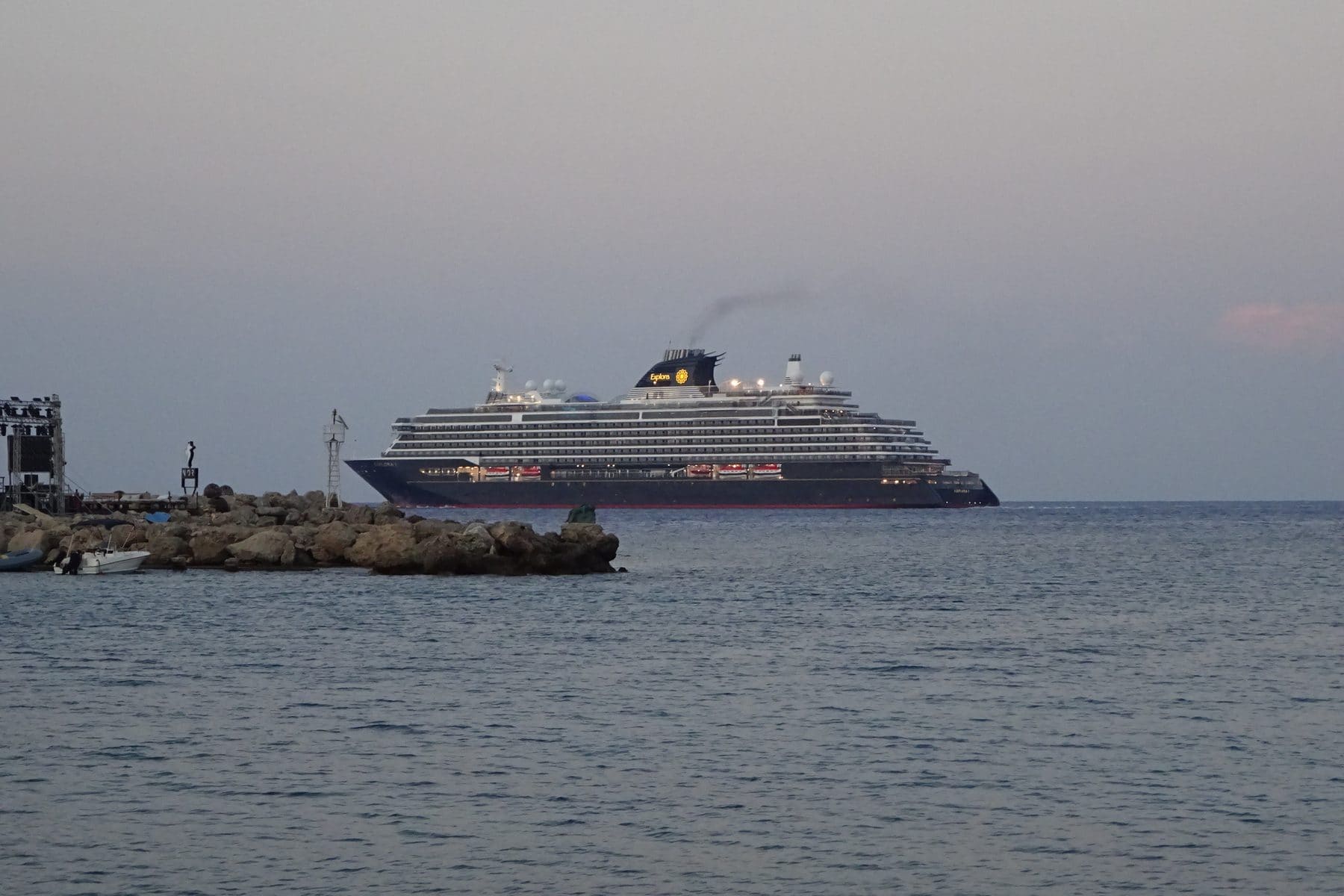
Explora I connecting suites suit three generations
Choose connecting suites on Explora I or Explora II when three generations need separate bedrooms and daily routines. Choose one larger Residence when four guests prefer one living room and coordinated mornings. The connecting arrangement gives grandparents a quiet retreat while keeping children behind an internal door. A Residence creates a stronger gathering place but concentrates sleeping, dressing and room-service activity. Families seeking both privacy and proximity gain more from two linked suites than from placing everyone in one category.
The strongest candidates are families splitting grandparents, parents and children across two adjoining accommodations. Explora limits the number of interconnecting suites, so the arrangement should drive ship and departure selection rather than follow it. An oceanfront terrace may also have a lockable connecting door, allowing adults to move between outdoor areas. That detail matters after younger children sleep. It also lets grandparents use their own terrace without entering the parents’ bedroom or crossing a public corridor.
Groups choosing three or four suites can use Explora’s Journey Together Gathering structure. The booking must contain at least one Ocean Penthouse or Ocean Residence, which becomes the natural social base. This configuration suits a larger family reunion better than expecting eight or more people to gather inside two entry-level suites. It also distributes bathrooms, closets and bedtime routines across several doors. The arrangement requires firm room assignments before departure because changing the family map onboard may prove impractical.
Couples traveling with one child rarely need a connecting pair unless privacy is the central goal. A single suite may accommodate three or four guests, depending on category, using a convertible sofa or rollaway bed. That choice keeps everyone close and avoids paying for space the party will not use. Families with two teenagers, a grandparent who sleeps early, or adults working during the voyage gain more from separate bedrooms. The decision should follow household habits, not the group’s total head count.
Ocean Penthouses add space without one shared living room
Start with Ocean Terrace Suites when the family wants two straightforward private rooms and comparable accommodations. Move to Ocean Penthouses when one generation needs a larger sitting area or additional category benefits. Ocean Residences suit the relative hosting meals, drinks or afternoon gatherings. On Explora II, the broader inventory includes Deluxe, Premier and Grand Penthouses, followed by Cove, Retreat, Serenity, Cocoon and Owner’s Residences.
Treat occupancy and connection as separate tests because a suite sleeping four may not adjoin another suitable category. Explora caps individual suite occupancy at three or four guests, depending on the accommodation. Some suites provide a convertible sofa for one adult or two children, while a rollaway holds one person. Those beds increase capacity but do not add another bathroom or quiet zone. Two connected suites usually give four people more usable personal space than one suite filled to its maximum.
Use the larger Residence as the gathering side when generations have different budgets or room needs. A Retreat Residence on Explora II has a dining table for four and may include a double sofa bed. A Cocoon Residence also seats four and has a double sofa bed. The Owner’s Residence seats eight, making it more suitable for hosting relatives booked elsewhere. None of these dining capacities changes the published sleeping limit for an individual suite category.
Check bed configuration before assigning siblings, cousins or unrelated adults to the second room. Some Explora II suites can use twin beds, while others retain a king arrangement and add a sofa bed. The most workable pair may therefore differ from the highest category available. Parents often need the room nearest younger children, while grandparents may prefer the quieter side. Connecting terraces add circulation during waking hours, but the internal door remains the practical route after dark or during poor weather.
Explora II offers six restaurants and an unhurried rhythm
Dining works well for families because Explora II spreads meals across six restaurants and provides in-suite dining. Children may enter restaurants, lounges, pools and bars rather than being confined to a separate family zone. Younger guests can receive suitable meal choices throughout the day. This flexibility helps grandparents dine earlier with children, then leave parents free for a later meal. It also reduces the pressure to assemble every generation at the same table for breakfast, lunch and dinner.
Service changes meaningfully when one side of the connecting arrangement is an Ocean Residence. Residences receive a Residence Host, while the Owner’s Residence adds a dedicated Residence Manager. Residence service can help with garment care, reservations, transportation planning and private in-suite dining. A connecting Ocean Terrace pair does not receive the same residence-level attention. Families should therefore decide whether they mainly need extra doors and bathrooms or a central suite supported for group hosting.
The onboard rhythm favors families comfortable making their own schedule. Twelve bars and lounges on Explora II distribute adults across the ship, while in-suite breakfast lets slower starters remain behind. Helios Pool on Deck 12 gives adults a separate place when grandparents or parents want quiet time. The Whisky Bar and Cigar Lounge are also adult-only. These divisions create breathing room without turning the ship into a resort built primarily around organized children’s entertainment.
Evenings remain relaxed but not careless. Explora schedules no formal nights, and daytime clothing follows an informal standard. After 6 p.m., sleeveless T-shirts, baseball caps, sportswear and casual beach footwear should stay outside restaurants and bars. Dress shorts are acceptable except at Anthology. Families do not need gowns or dinner jackets, yet teenagers still need appropriate evening clothes. That balance is easier than a formal ship, although it may disappoint travelers who enjoy ceremonial dress nights.
Nautilus Club works best from ages six to 17
Families with school-age children and teenagers receive the clearest program fit. Nautilus Club serves ages six through 17 and operates daily from 9 a.m. until midnight. That long span supports separate adult dinners, spa time and late evening plans without forcing every family member onto one schedule. Technology tournaments, sports, painting and games broaden the appeal. Teenagers who reject highly managed activities can still use the club’s digital equipment and social space during selected periods.
Children ages three through five need a different plan because they may attend only at specified times with a parent or guardian. The club therefore does not replace child care for preschoolers. Connecting suites remain useful because one adult can supervise the younger child while others rest or dine next door. Infants from six through 24 months receive age-appropriate toys in the suite, but Nautilus provides no organized infant facilities. Families needing nursery care should choose another vacation format.
Grandparents benefit most when the family treats them as travelers rather than default caregivers. Separate accommodations allow them to leave early, sleep later or spend time at Helios Pool without disturbing the children’s schedule. Fitness and spa facilities are reserved for guests age 16 and older, giving older teenagers access while younger siblings remain elsewhere. Grandparents with mobility concerns should prioritize connecting locations near elevators rather than selecting categories solely for the larger terrace or higher deck.
This ship is not the right fit for families expecting water slides, constant announcements or a large nursery operation. Children must be fully toilet trained before entering pools or whirlpools; diapers, swim diapers and pull-ups are not permitted there. Teenagers who want several hundred peers and nonstop large-scale attractions may also find the atmosphere subdued. Explora works better for families whose children can enjoy meals, ports and time together, with Nautilus supporting rather than defining the vacation.
Nine dining experiences and gratuities are included
The base inclusion structure removes several recurring onboard decisions for a multigenerational group. Explora includes nine culinary experiences, in-suite dining, onboard gratuities and high-speed Wi-Fi throughout the ship. Fine wines, champagne, spirits, specialty coffees, teas and soft drinks are also included, including beverages served in the suite. Adults can order independently without assigning each purchase to one household. Grandparents hosting the group avoid becoming the informal accountant whenever children, parents and relatives choose different venues.
Wellness inclusions favor adults and older teenagers rather than small children. Access to the Ocean Wellness spa thermal area is included, along with group fitness, mindfulness and wellness activities. The age 16 rule for fitness and spa facilities still applies. A family with several younger children may use little of that value, while grandparents and parents can use it regularly. Port-to-city shuttles are included where required and available, helping a large party avoid arranging several vehicles for the same transfer.
Suite category still affects the practical value received. Ocean Penthouses and Ocean Residences carry additional benefits beyond the common package, while Residence guests receive their higher service level. Ocean Residences also receive earlier access to book Destination Experiences than general release. That advantage matters when several relatives want the same limited-capacity outing. A family choosing two Ocean Terrace Suites should compare the value of a second full accommodation against the service and booking advantages attached to one Residence.
Private expenses remain possible even within the broad package. Destination Experiences are not part of the listed common inclusions, and specialty arrangements outside standard dining may create separate charges. Laundry depends on Explora Club status unless it forms part of the booked Residence service. Flights, hotels and private transfers should be treated as separate planning items unless the specific booking terms include them. Families should build one shared expense policy before sailing, especially when grandparents are paying for several households.
Monaco 2027 favors location; 2029 favors time
Choose the itinerary only after matching its pace to the family’s tolerance for crowds, flights and long days. Explora I is scheduled at Port Hercule for the Monaco Grand Prix weekend in 2027. That setting prioritizes event access rather than quiet family touring. It can suit adult children, teenagers interested in racing and grandparents comfortable with a busy port. Families with preschoolers may gain less because the surrounding event schedule can overpower the ship’s slower daily rhythm.
Use Mediterranean and Western European voyages for families wanting recognizable ports and manageable combinations with land stays. Explora also presents journeys along the United States and Canadian East Coast, New England, the Caribbean, South America and the Amazon. Those regions create different flight demands and shore-day patterns, even when the suite arrangement stays unchanged. A connecting pair is most valuable on port-intensive routes because relatives can prepare independently each morning and regroup without meeting in a public lounge.
Consider the inaugural 128-day World Journey in 2029 only for families with exceptional time flexibility. Its length changes the suite decision because storage, private sleeping zones and separate bathrooms matter more over four months than during one week. Grandparents traveling with adult children for only selected portions may prefer nearby independent suites instead of sharing one Residence throughout. School schedules make the full voyage impractical for most families with children, even when remote learning appears possible.
Summer 2028 brings a larger fleet context because Explora VI is scheduled to join that season’s collection. A new ship should not outweigh the family’s exact suite pairing, port list or travel dates. Explora III is already sailing, but the clearest family connection details here concern Explora I and Explora II. Families should prioritize an appropriate door arrangement on an established itinerary rather than choose a departure primarily because the ship is newer.
One Cocoon Residence wins for four
Choose one Cocoon or Retreat Residence when four guests share similar sleep schedules and gather frequently. Both categories on Explora II provide dining for four, and each can include a double sofa bed. The single-residence approach keeps room service, clothing and conversations in one place. It also places the party under Residence Host service rather than dividing requests between two accommodations. This option works especially well for parents with two younger children who are not ready to sleep behind a separate door.
Choose the Owner’s Residence when the principal goal is hosting relatives booked across the ship. Its dining table seats eight, and a dedicated Residence Manager supports the stay. That layout can function as the family headquarters without requiring every person to sleep there. It wins over a connecting pair when several couples want distinct cabins but need one dependable gathering room. The tradeoff is that relatives outside the Residence still return to separate locations after dinner or late conversations.
Choose two nonconnecting suites when independence matters more than immediate access. Adult children, couples traveling together and mobile grandparents may prefer different decks, bed arrangements or category benefits. This approach also prevents the connecting door from becoming an invitation to enter without warning. It loses convenience for families supervising younger children, and it makes spontaneous gatherings harder. The better arrangement depends on caregiving needs, not on a belief that adjoining doors automatically improve every group vacation.
Choose a different vacation style when the children need supervised care below age three or extensive large-scale attractions. Explora’s strongest youth structure begins at age six, while ages three through five require an accompanying adult during specified sessions. A ship with nursery care may serve parents of toddlers better, even if its accommodations feel less residential. Explora remains the stronger choice for a family prioritizing meals, private space, adult calm and shared port days over continuous children’s programming.
Confirm the exact connecting pair before booking
Begin with a written rooming plan that lists every traveler, age, bed and bathroom requirement. Mark which adults need twin beds, which children can use sofa beds and who requires immediate nighttime access. Then compare Ocean Terrace, Penthouse and Residence combinations on the chosen ship. A category capable of sleeping four may still be inferior to two linked rooms for four people. The plan should also identify the suite that will host breakfasts, planning sessions and evening drinks.
Request the exact suite numbers and connection type before committing to the arrangement. Confirm both the internal door and any lockable terrace link, because the two serve different purposes. Check whether the connecting pair sits near elevators, crew areas, public rooms or designated smoking locations. On Explora I and Explora II, smoking areas include outdoor locations on Decks 5, 11, 12 and 14. Location can matter more than moving one level higher within the same category.
Match the daily plan to each generation’s nonnegotiable needs. Record Nautilus eligibility for every child, the age 16 spa and fitness threshold, dining clothing after 6 p.m. and pool toilet-training rules. Add the party’s preferred dinner times and likely shore groups. This exercise reveals whether a Residence Host, separate bedrooms or the Journey Together Gathering structure provides the greatest value. It also exposes conflicts before grandparents become responsible for unplanned child care.
Finish with one complete review of the booking record, travel documents and family responsibilities. Confirm names, birth dates, bed setup, suite occupancy, adjoining doors, terrace access, dining requests, shore plans and mobility needs in the same file. Assign one adult to hold the current version while each household retains a copy. Before payment deadlines, confirm the exact connecting configuration, children’s eligibility, included services and current itinerary details with a luxury cruise specialist.
Questions people ask
Good to know
Questions, answered
Can children stay in their own connecting suite on Explora Journeys?
The workable arrangement depends on each child’s age and the booking’s adult-occupancy requirements. Explora limits individual suites to three or four guests, depending on category. Parents should place younger children behind the internal connecting door, not across a public hallway. Ask how the doors lock from each side and request the exact floor plan before assigning children to a separate accommodation.
What entertainment does Nautilus Club have for teenagers?
Nautilus Club includes PlayStation 5, PlayStation VR2, Xbox, Nintendo Switch, iPads and Oculus Pro. Teenagers can also join technology tournaments and use board games or the digital library. The club serves ages six through 17, so the atmosphere may vary with the number and ages of children aboard. Teenagers seeking independence may value the long operating day more than scheduled group activities.
Can families order breakfast inside an Explora suite?
Yes. In-suite dining includes breakfast choices such as juices and cooked-to-order eggs. This is useful when children wake at different times or grandparents want a slower morning. A Residence with a dining table provides the most practical shared setting, while a connected pair lets each household order separately. Decide which room hosts breakfast before departure so relatives do not begin each port day waiting in a corridor.
Does Explora Journeys provide cribs and baby supplies?
Hosts can provide cribs, blankets, linens and pillows on request. Smaller bathrobes, slippers and hangers are available for younger guests, while infants from six months through two years can receive in-suite toys. These items do not create a nursery program. Parents traveling with an infant should still plan feeding supplies, stroller storage and supervision around the family’s dining and shore schedules.
Who handles requests at night on Explora Journeys?
Guest Services operates 24 hours from the Deck 4 lobby. Ocean Residences also receive a Residence Host, and the Owner’s Residence has a dedicated Residence Manager. Those roles matter when a large family needs help coordinating dining, transportation or an in-suite gathering. They do not replace parental supervision or Nautilus Club. Give teenagers the suite numbers and a clear family contact plan before allowing independent time onboard.
Still have a question? Book a free 30 minute call or send us the brief.
Sources
Where to go next
- Family cruises: Which ships genuinely work with children, and which quietly don't.
- Compare the lines: Families, children, food and formality, side by side.
- Book a free 30 minute call: Tell us who is traveling; we will shortlist the ships we would consider.







