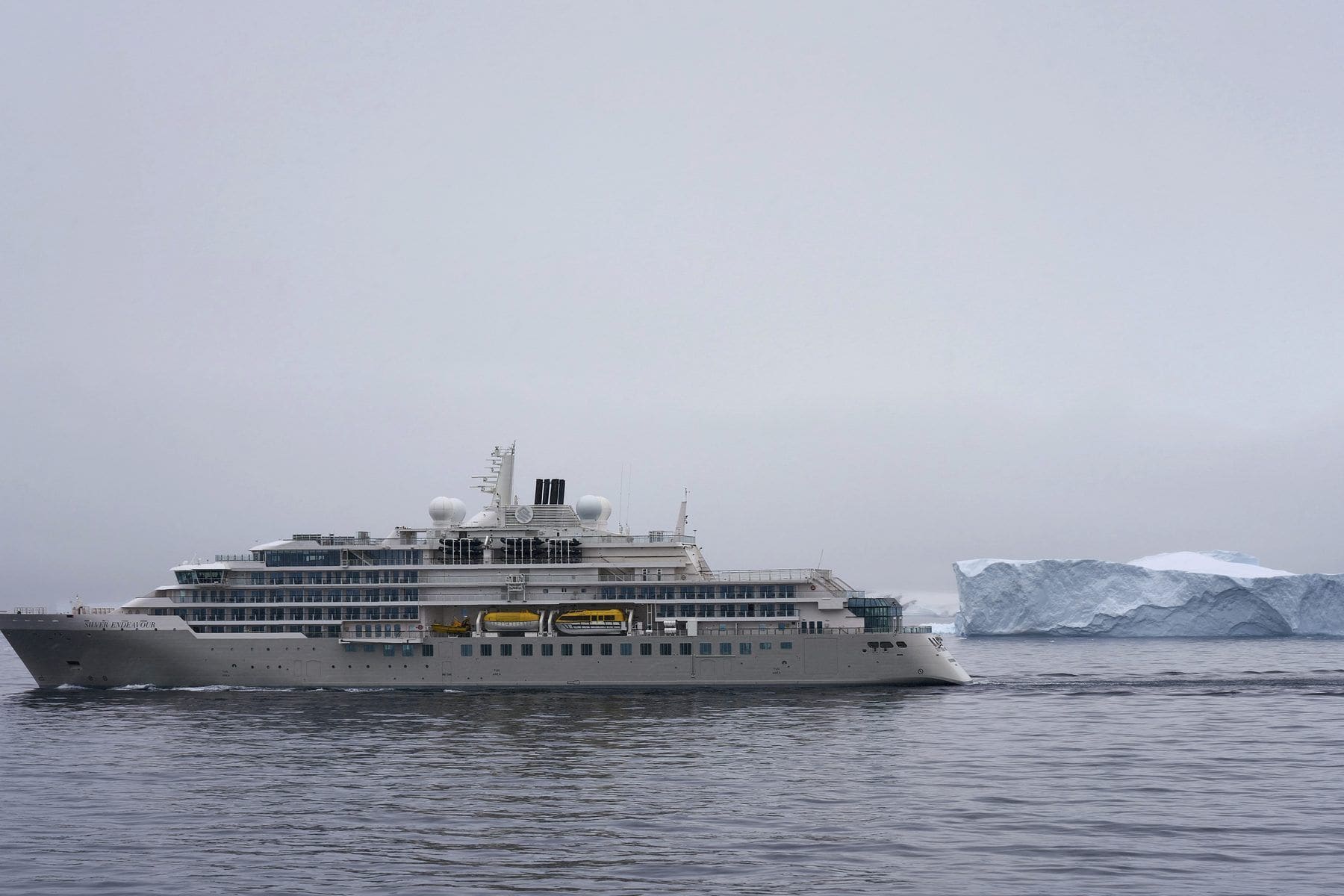
Select Antarctica sailings favor adjoining family cabins
Choose Lindblad on a select Antarctica family departure when children and teenagers need a real youth program. Choose Hondius when three or four relatives must share one cabin and accept tighter quarters. Lindblad welcomes children across its voyages, while its Antarctica youth program operates only on selected sailings. Hondius provides actual Triple and Quadruple cabins rather than joining two doubles. That distinction matters more than décor when parents need one doorway, grandparents need privacy, or children cannot occupy a separate cabin.
Choose Viking Polaris or Viking Octantis when the party consists of adults who value space, room service and several dining settings. Their larger categories include the 548-square-foot Explorer Suite and 1,960-square-foot Owner’s Suite. World Voyager works better for couples or relatives booking separate rooms because every listed category sleeps one or two. Its current schedule shows no upcoming departures, so treat it as a future possibility rather than the foundation of a 2026-27 family plan.
Give grandparents their own cabin unless they actively want bunk beds and limited sitting space. A Hondius Quadruple keeps four people together within 172 square feet, which favors closeness over retreat. Lindblad’s adjoining-room approach gives a larger family two bathrooms and separate sleeping zones when available. Parents with younger children gain easier supervision through a connecting door. Families needing elevators, low thresholds or short walking distances must assess the actual ship rather than relying on the words family suite.
Match the ship to the family’s daily rhythm before comparing surface finishes. Lindblad favors families wanting educators, naturalists and informal meals. Hondius favors active groups comfortable with a single main restaurant and expedition days from Ushuaia. Viking favors adult generations wanting restaurant choice and 24-hour room service. Quark’s World Voyager favors pairs seeking suites measuring 215 to 365 square feet, a Science Hub and a 168-guest ship, once a suitable Antarctica departure returns to its schedule.
Quadruple cabins beat two-person polar suites
Book the Hondius Quadruple when four berths behind one door outweigh personal floor space. Four such cabins each sleep four in two sets of bunks within 172 square feet. The ship also has two Triple cabins measuring 129 to 193 square feet. Each uses a bunk and single-bed arrangement. These categories solve occupancy cleanly for parents with two children or one parent with two children, but the compact layouts leave little room for everyone’s expedition clothing and bags.
Use two World Voyager suites when a family needs proper beds instead of upper berths. Its 215-square-foot Veranda Suite sleeps one or two and adds a 55-square-foot walk-out balcony. The 270-square-foot Infinity Suite also sleeps two, using a Juliet-style glass opening rather than a walk-out space. Deluxe Suites provide about 345 square feet, while Owner’s Suites provide about 365 square feet. Neither category converts into a family room because each published occupancy remains one or two guests.
Choose Viking’s Explorer Suite for two-room living rather than assuming its dining seats equal sleeping capacity. The 548-square-foot category includes a Nordic balcony, separate living space and a dining area seating four. Its 322-square-foot Nordic Junior Suite provides more storage and seating than standard categories. The 1,960-square-foot Owner’s Suite has a separate bedroom, living room and dining space for six. Exact sleeping limits and connecting arrangements require a ship-specific check before several relatives are assigned there.
Request Lindblad’s actual deck plan after choosing the Antarctica departure, not before. Several ships offer adjoining rooms that combine into family suites, while other vessels rely on adjacent cabins or larger staterooms. A family of five should therefore identify the operating ship first, then map every traveler to a berth. Two nearby cabins without an internal door do not provide the same overnight supervision.
Informal meals suit children; room service suits grandparents
Choose Lindblad when flexible family behavior matters more than restaurant variety. Meals are informal, and the ships operate as casual expedition bases rather than formal dining stages. Children can spend downtime in the library, speak with naturalists and join parents on deck. Expedition teams may include photographers, cultural specialists and undersea specialists alongside naturalists. That mix keeps conversation moving after dinner, especially for teenagers who respond better to working experts than scheduled entertainment built around younger children.
Choose Hondius when the family accepts one main dining room and a common schedule. The 170-guest ship carries 71 staff and crew, creating a smaller operation than Viking’s 378-guest vessels. Meals center on substantial food after active polar days rather than multiple restaurant concepts. A bar, library, lecture room and observation lounge provide gathering places between landings. This structure suits families who eat together at set times, but not groups expecting several simultaneous dinner choices or private meals on demand.
Choose World Voyager when 168 guests and one Deck 4 dining room feel sufficient. The ship carries 125 staff and crew, plus a Science Hub and presentation theater. Its Observation Lounge occupies Deck 7, near the heated outdoor pool and two Jacuzzis. The compact dining setup reduces choice but keeps the expedition group together. Families accustomed to separate children’s menus, several restaurants or late-night casual food should not assume those arrangements follow from the ship’s strong suite finishes.
Choose Viking when grandparents need meals delivered after a tiring landing. Viking Polaris and Viking Octantis provide 24-hour room service, including restaurant dishes during operating hours. World Café, Mamsen’s and Aquavit Terrace create more dining choice than Hondius or World Voyager. Suite category affects advance access to alternative restaurants. Explorer Suite guests can receive three priority reservations 90 days before departure, while Nordic Junior Suite guests receive three reservations 80 days before departure.
Lindblad's youth program favors children and teens
Choose Lindblad for school-age children and teenagers who learn through participation. Its National Geographic Explorers-in-Training program runs on selected Antarctica voyages and uses certified field educators on selected departures. The program connects field observation with science and storytelling rather than providing day care. Children and teens may also join activities with an accompanying adult. This approach suits families willing to explore together, but parents should not expect unrestricted drop-off coverage throughout every expedition day or every Antarctica sailing.
Choose Hondius for physically capable families who need triple or quadruple occupancy more than organized youth sessions. The ship attracts couples, singles, groups and families prepared to walk for several hours daily. Its 13-day Basecamp choices emphasize an active rhythm, while bunk-bed cabins preserve one-room sleeping. Teenagers who prefer landings, wildlife and practical independence may respond well. Young children, hesitant walkers and grandparents needing frequent rest may find the daily demands harder than the cabin arrangement initially suggests.
Give grandparents Viking’s larger sitting areas when comfort between outings decides the booking. A 322-square-foot Nordic Junior Suite offers storage and seating, while the 548-square-foot Explorer Suite separates sleeping and living areas. The 378-guest Viking Polaris and Viking Octantis each carry 256 crew. That service depth supports adults who value housekeeping, room service and a slower private evening. It does not create a children’s program, so families needing organized peer activities should favor a selected Lindblad departure instead.
Avoid World Voyager for a family determined to sleep three or four together. Its Infinity, Veranda, Superior, Deluxe and Owner’s Suites all list one or two guests. The ship’s Science Hub may strongly engage a curious teenager, while its spa and observation spaces suit parents and grandparents. Separate suites can work for adult siblings or older relatives. Parents with younger children should not plan around adjacent or connecting doors because those arrangements are not attached to the published suite categories.
Viking includes expedition gear; Quark keeps gear onboard
Count Viking’s polar jacket and relevant excursion gear before packing or renting equipment. These items accompany categories from the Nordic Penthouse through the Explorer and Owner’s Suites. Viking also includes twice-daily housekeeping and 24-hour room service in the listed suite benefits. Some upper categories add laundry, pressing and shoe care, while the Owner’s Suite includes a beverage package and private destination transfers. The exact benefit set changes by category, so a large floor plan does not alone define the package.
Treat Lindblad’s planning support as logistical help rather than a list of automatic fare inclusions. The line manages meals, daily planning and core expedition logistics during the voyage. Its team can also help arrange flights, transfers and land stays before or after the expedition. Families gain one planning structure and unpack once aboard. Flight or hotel assistance does not mean every related service is included, so compare the booked voyage terms rather than assigning the same package across all ships and destinations.
Budget separately for Hondius Wi-Fi if staying connected matters to several generations. Every cabin has a private bathroom, shower and storage, while wireless access carries an added charge. The ship’s main restaurant, lecture room, infirmary, library and observation lounge support the expedition routine. The Quadruple cabin gives four berths, but it does not produce four times the storage. Families should control luggage volume, particularly when two bunk sets, boots and parkas share only 172 square feet.
Treat World Voyager’s Polar Boutique as an onboard store, not an included clothing package. The Deck 4 shop carries cold-weather expedition gear for forgotten items. Wellness facilities include a spa, sauna, gym, heated pool and two Jacuzzis, although operating hours apply. The Ready Room supports Zodiac preparation and shore departures. Those facilities improve the shipboard experience, but families should separate access from inclusion. Spa treatments, shop purchases and other personal services belong outside the expedition’s core operating features.
Ushuaia's 10 to 23 days winter routes offer more choice
Choose Hondius for the broadest documented spread of trip lengths in the 2026-27 North American winter. Its six listed itineraries run from 10 to 23 days and embark in Ushuaia. The shorter choices limit time away from school or work, while longer voyages suit families with flexible calendars. Every extra day also extends close living in Triple or Quadruple cabins. Families testing expedition travel should weigh the voyage length against Drake Passage time, active days and tolerance for a single restaurant.
Use Hondius’s route themes to match attention spans and physical interests. Whale Watching itineraries run 10 or 11 days, while the Discovery and Learning Voyage lasts 11 days. Basecamp and Weddell Sea Basecamp options last 13 days. Named sites include Danco Island, Neko Harbor, Paradise Bay, Port Lockroy, Brown Bluff and Antarctic Sound. A teenager drawn to photography or wildlife may prefer a focused route, while younger children may cope better with the shorter absence from home.
Choose Viking’s 13-day Antarctic Explorer when Buenos Aires and Ushuaia fit an adult family’s air plan. The itinerary spans two countries and ends in Ushuaia, while the ship provides more restaurant choice than Hondius. Viking also lists much longer expedition combinations reaching Ushuaia, including 62-day and 87-day journeys. Those extended routes suit relatives with flexible dates with time and stamina, not most school calendars. The 13-day structure remains the more practical Viking benchmark for a first shared polar trip.
Do not anchor a 2026-27 family trip to World Voyager until a departure appears. Lindblad confirms that its youth program operates on selected Antarctica voyages, but ship, month and duration must come from the chosen departure. This difference affects planning confidence. Hondius and Viking provide concrete route structures, while Lindblad provides the strongest family framework without attaching that framework to every Antarctica sailing.
Viking's 548-square-foot Explorer Suite wins for adult families
Choose Viking over Lindblad when adult relatives prize private comfort above youth programming. The 548-square-foot Explorer Suite creates separate living and sleeping zones, plus dining space for four. A 322-square-foot Nordic Junior Suite gives couples more room than World Voyager’s 215-square-foot Veranda Suite. Viking’s restaurant selection and room service also help grandparents pace themselves. This option wins for adult children traveling with parents, provided the booked cabins’ occupancy and proximity suit the party.
Choose World Voyager over Hondius when every traveler can occupy a double and prefers newer suite choices. The 365-square-foot Owner’s Suite or 345-square-foot Deluxe Suite gives two guests substantially more personal area than a Hondius Quadruple. A 100-square-foot walk-out balcony accompanies both categories. The Science Hub, Deck 7 Observation Lounge and 18-Zodiac operation also support focused polar days. This option becomes relevant only after an appropriate departure appears and the party accepts separate rooms.
Choose Hondius over larger-suite ships when one-room occupancy and an active program decide the trip. A Triple cabin places three guests together, while the Quadruple handles four without buying a second room. Its route lasting 10 to 23 days spread creates more duration choices than one fixed itinerary. The compromise is clear: bunks, modest sitting space and one main restaurant. Families who spend little waking time inside may accept that trade more readily than grandparents expecting a private retreat.
Choose Lindblad over Hondius when guided learning matters more than guaranteed multi-berth cabins. Selected Antarctica departures add certified field educators and the Explorers-in-Training program for children and teens. Adjoining rooms on some ships can also provide two bathrooms and better separation than four berths in 172 square feet. Lindblad loses when the selected ship lacks the required connection, the program is absent from that sailing, or keeping everyone behind one cabin door remains nonnegotiable.
Confirm adjoining doors, age rules and activity timing
Decide first whether the family needs one room, one internal doorway or simply nearby cabins. Hondius answers the first requirement with Triple and Quadruple categories. Lindblad may answer the second through adjoining rooms on several ships. World Voyager answers neither because its listed suites sleep no more than two. Write every traveler’s name and sleeping need against an actual cabin number before considering public rooms.
Decide next whether the trip centers on children’s learning or adult comfort. A selected Lindblad Antarctica voyage can add Explorers-in-Training for children and teens. Viking’s Explorer Suite and 24-hour room service better support adult generations needing private recovery time. Hondius requires enough mobility for several hours of walking on expedition days. World Voyager’s Science Hub may engage older teenagers, but its current lack of upcoming departures prevents it from solving a fixed 2026-27 travel window.
Protect activity access by understanding each ship’s booking sequence. On Viking Octantis, expedition activity reservations open 107 days before sailing for Explorer and Owner’s Suites. Nordic Junior and Nordic Penthouse guests receive access 97 days before sailing. Deluxe Nordic Balcony and Nordic Balcony guests receive access 87 days before sailing. A lower cabin price or preferred location may therefore carry later activity selection. Families with limited mobility or one strongly desired activity should include timing in the cabin decision.
Ask for one written comparison covering berth limits, internal doors, minimum ages, mobility demands, included equipment and paid extras. The same request should identify the operating ship, 2026-27 departure, suite numbers and youth-program status. Families using separate cabins also need the line’s rules for children occupying a room without an adult. Before paying, confirm those points with a cruise specialist against the exact ship, departure and booked suite categories.
Questions people ask
Good to know
Questions, answered
How many Zodiacs does an Antarctica family ship carry?
World Voyager carries 18 Zodiacs for 168 guests, while Hondius carries 15 for as many as 170 guests. Weather, site rules and the expedition team’s rotation plan still shape the day. World Voyager’s Deck 3 Ready Room and Hondius’s two loading bays help organize boarding.
Is a balcony useful on an Antarctica expedition cruise?
A balcony helps adults watch scenery without leaving their room, but it can reduce value for families spending most daylight hours outside. World Voyager’s Superior, Deluxe and Owner’s Suites have 100-square-foot walk-out balconies. Hondius offers six 291-square-foot Grand Suites with walk-out balconies. Families prioritizing occupancy should compare those doubles against Hondius’s bunk-based Triple and Quadruple cabins.
Can children join kayaking and other expedition activities?
Lindblad allows children and teenagers to join available kayaking, paddleboarding, hiking, biking, snorkeling and photo walks when accompanied by an adult. Actual participation depends on the voyage and activity. Hondius Basecamp itineraries can feature kayaking, camping, snowshoe hiking, mountaineering and photography. Parents should match each child’s ability and confidence to the chosen activity rather than assuming the same access across ships.
How large are Viking’s Antarctica expedition ships?
Viking Polaris and Viking Octantis each measure 665 feet and carry 378 guests with 256 crew. Both entered service in 2022 and hold Polar Class 6 status. Their scale provides several lounges, dining venues and suite categories, but it also creates a larger guest group than World Voyager or Hondius. Families seeking a smaller social setting may prefer those ships despite their narrower dining choices.
Does Hondius have medical and quiet indoor spaces?
Hondius has an infirmary, library, lecture room, observation lounge, lobby and bar among its public areas. The ship contains 80 cabins and suites across eight categories. These spaces give relatives places to separate during sea time, although they do not replace private cabin living areas. A family using a 172-square-foot Quadruple should expect to rely more heavily on shared lounges.
Still have a question? Book a free 30 minute call or send us the brief.
Sources
Where to go next
- Where to cruise: Regions, seasons and the lines we'd sail them with.
- When to go: Month by month, including school vacations.
- Book a free 30 minute call: Tell us who is traveling; we will shortlist the ships we would consider.