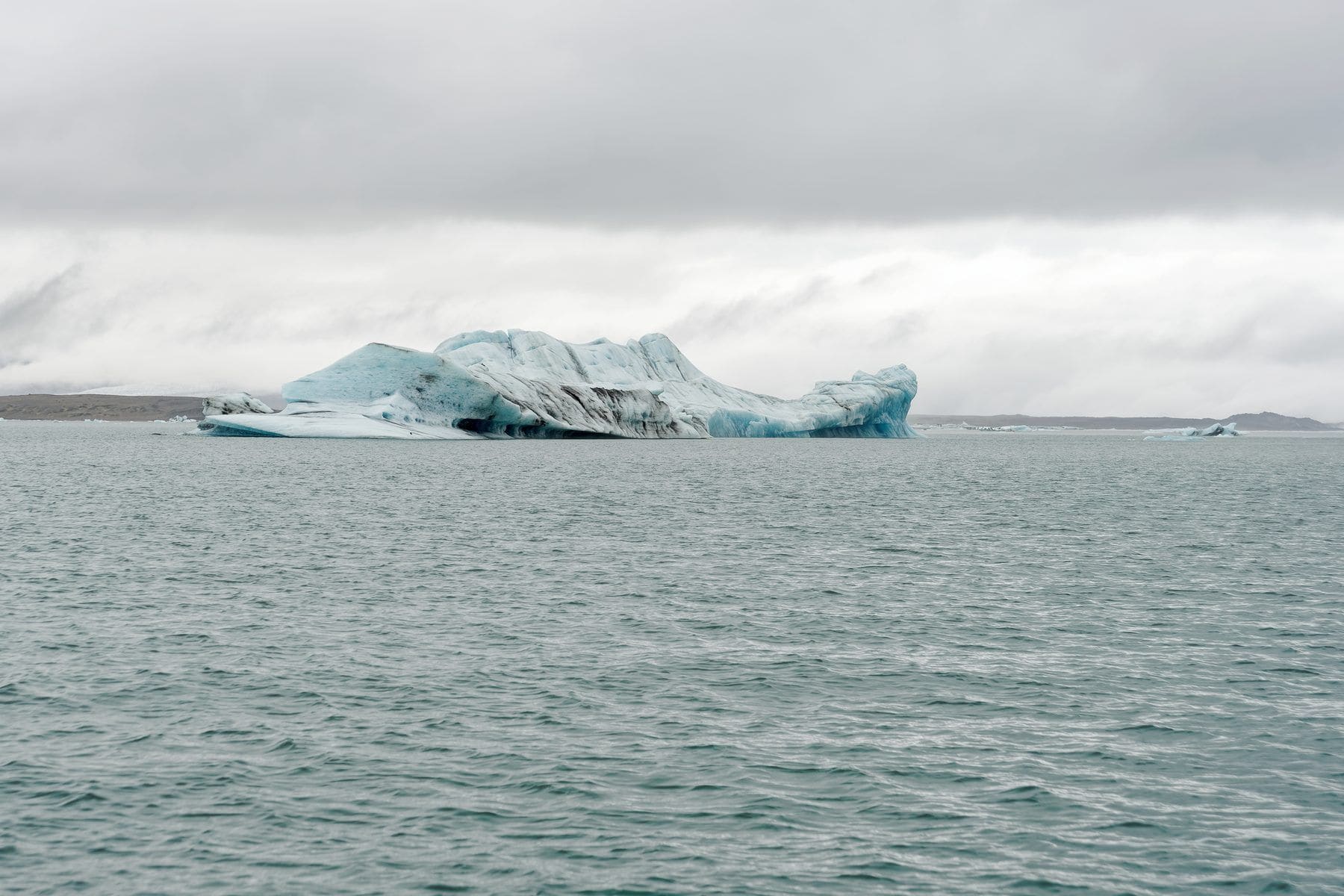
Iceland expedition cruises suit active families
Iceland luxury expedition cruises are a strong choice for mobile families with children aged four or older. They combine guided activity with small ship access, but fitness, weather and landing conditions shape every day. Lindblad is the clearer family choice because its Explorers-in-Training program serves children and teens. Quark suits independent families comfortable with a more demanding polar format. Neither should be treated like a conventional cruise built around fixed port calls, drop-off childcare or predictable daily schedules.
Choose by expedition style before comparing finishes or cabin photographs. Lindblad’s eight-day Arctic Edges itinerary links Iceland’s Westfjords with East Greenland aboard National Geographic Explorer. Quark’s 12-day Iceland Circumnavigation stays around Iceland aboard Ultramarine during the 2027 season. The first gives families two countries and a shorter absence from work or school. The second allows more time around Iceland, including three days in the Westfjords and a later visit to the Westman Islands.
The value lies in access rather than formal shipboard entertainment. Families may hike near waterfalls, watch for whales, approach seabird colonies and use Zodiacs where larger ships cannot land. Younger guests learn beside expedition staff instead of spending each day in a playroom. That format works well when adults and children share interests. It works less well when one generation expects a pool-centered vacation while another wants long, active shore days in remote coastal areas.
Start with Lindblad, Quark and Ponant when building a serious expedition shortlist, but apply each line’s own rules separately. The current particulars here support the closest comparison between Lindblad and Quark. Lindblad provides the stronger framework for mixed ages, while Quark places greater emphasis on mobility and polar operating conditions. Families seeking a luxury hotel at sea may prefer another cruise style. Families seeking shared field activity should compare routes, child eligibility and cabin arrangements before considering decorative differences.
Zodiac landings require mobility and age four
Expect the expedition team to set each day around local conditions. On Lindblad’s Wild Arctic Shores itinerary, guests board Zodiacs for the landing at Grímsey, directly on the Arctic Circle. East Greenland excursions proceed only when ice and weather permit safe access. A scheduled place therefore represents an intended operating area, not a fixed pier appointment. Parents must be ready to help children follow instructions, wear required equipment and move promptly during transfers between ship, inflatable craft and shore.
Lindblad applies a minimum age of four at embarkation for children booked on Arctic voyages. That is an admission rule, not a measure of readiness for every outing. A young child may meet the requirement yet struggle with cold waits, wet landings or uneven ground. Parents should judge attention span, balance and willingness to wear expedition clothing. Grandparents providing supervision should also consider whether they can board a Zodiac while keeping both hands available for their own stability.
Quark requires a high level of mobility for entering and leaving Zodiacs and joining off-ship activities. Its Iceland program includes Zodiac transfers, scheduled shore landings and options such as sea kayaking, paddling and guided hiking. Remote operations matter medically because adequate shoreside care can be up to 72 hours away. A basic infirmary is available aboard the ship. Travelers managing unstable conditions, recent surgery or limited balance need a more conservative assessment than they would for a regular Reykjavík hotel stay.
Transfers differ from ordinary port calls. Quark’s 12-day program begins with a Reykjavík hotel night, followed by a group transfer to Ultramarine on Day 2. Its return transfer runs from the ship to downtown Reykjavík after disembarkation. Lindblad’s Arctic Edges itinerary starts and finishes in Reykjavík, with an airport transfer after breakfast on Day 8. Families arranging separate flights or extra hotel nights must align those plans with the line’s defined transfer points.
Explorer, Endurance and Ultramarine differ sharply
National Geographic Explorer is the more traditional expedition ship in this comparison. It carries 148 guests across six decks and operates the eight-day Arctic Edges route. That scale supports multiple activity choices without creating the feel of a large resort ship. The itinerary visits Djúpavík, Skagafjörður, East Greenland and Iceland’s Westfjords before returning to Reykjavík. Families should choose it for route, expedition staff and shorter duration, rather than expecting the broad recreation inventory found on larger vacation ships.
National Geographic Endurance is smaller by ten guests and built for demanding polar waters. It carries 138 guests across six decks and holds a PC5 Category A ice classification. Lindblad lists it with National Geographic Explorer on the 10- or 11-day Wild Arctic Shores itinerary. That route combines Icelandic ports with an East Greenland attempt. Endurance is the stronger fit for families drawn to ship design and polar capability, while Explorer may feel more familiar to first time expedition cruisers.
Ultramarine presents a different onboard balance. Its public spaces include the Ambassador Theater, Balena Restaurant, Bistro 487, Panorama Lounge and Bar, Tundra Spa and Sauna, and a Fitness Center. Ready Rooms support expedition preparation before guests leave the ship. Quark’s 2027 itinerary completes an Iceland circumnavigation rather than adding Greenland. It reaches the Westfjords, Djúpivogur, Vatnajökull Glacier and the Westman Islands during a 12-day round trip from Reykjavík.
Compare these ships by daily rhythm rather than brand language. Explorer and Endurance operate Lindblad’s education-led model, including a photographer on Iceland departures and a youth learning program on selected voyages. Ultramarine supports a polar expedition structure with several activity modes and more named wellness spaces. Ponant can remain on a broader family shortlist, but its rules should never be borrowed from either competitor. Ship size, operating region and excursion method matter more than a shared expedition label.
Balcony Suite labels do not prove family occupancy
Treat the cabin as a sleeping plan, not a generic booking category. Quark names an Ultramarine Balcony Suite with a double bed for its 2027 Iceland circumnavigation. Parents should not assume that the word suite means four-person occupancy. A family booking requires the exact berth count, bed arrangement and permitted guest ages attached to the selected cabin number.
Lindblad’s ship totals show why cabin selection needs early attention. National Geographic Explorer has 81 cabins for 148 guests, while National Geographic Endurance has 76 cabins for 138 guests. Those ratios do not tell a family which rooms connect or accept three occupants. Grandparents paying for three generations should map every traveler to a legal berth. Separate cabins may provide better sleep, but their locations must work for children who cannot safely remain apart from responsible adults.
Couples should resist paying for unused family capacity. A Balcony Suite may justify consideration for private outdoor space and a double-bed setup, yet the expedition route still drives the experience. Solo travelers need the single-use terms for the specific cabin, rather than dividing a displayed double-occupancy arrangement mentally. Travelers new to luxury cruising should also ask whether the bed can be separated, especially when adult relatives plan to share. A category name alone cannot answer any of those practical questions.
Cabin position matters during a North Atlantic itinerary. A traveler sensitive to motion may prefer a more central location over a higher room selected mainly for its view. Families also need enough space for waterproof layers, boots and day packs used repeatedly. Grandparents may value shorter walks to a stairway or expedition staging area. Couples might prioritize quiet separation from Ready Rooms or gathering spaces. The correct cabin is therefore the one matching berth rules, movement needs and daily expedition preparation.
Grandparents need split-speed days in the Westfjords
Plan mixed-generation days around different walking speeds. Lindblad offers activity choices extending from easier photo walks and Zodiac cruises to longer hikes. Participation in every outing is not required. That flexibility helps grandparents remain involved without matching teenagers on each strenuous route. Families should agree beforehand that splitting into smaller groups is acceptable. A morning in the Westfjords can then serve an active hiker, a careful walker and a child interested in wildlife without forcing one pace on everyone.
Children and teens gain more from Iceland when field learning matches their interests. Lindblad’s Explorers-in-Training program uses certified youth educators and hands-on work related to geology and nature. Families may investigate coastal environments, photograph landscapes or study volcanic features. The approach favors children who enjoy asking questions and working beside adults. It is less suitable for a child expecting rides, constant indoor entertainment or a large peer group organized by narrow age bands.
Grandparents should decide whether they are participants or default caregivers. A Siglufjörður museum visit, a Skagafjörður river float and a Westfjords hike create very different supervision demands. Parents may want one demanding outing while grandparents choose a slower option. That arrangement works only when the child’s program, excursion eligibility and handoff arrangements permit it. No family should build the vacation around assumed babysitting. Expedition staff lead activities, while parents retain responsibility for their children.
Couples and solo travelers can also fit well on family-oriented departures. Explorer carries only 148 guests, so shared meals and repeated field groups create natural contact without requiring organized social events. Couples seeking quiet should expect children during school-break departures and select cabin locations accordingly. Solo travelers should judge the route by personal mobility and comfort joining mixed groups. First-timers often do well when they accept changing plans and choose easier outings before attempting long hikes or rougher landings.
June ice and July whales change the plan
Match the month to the family’s priority. Lindblad’s broader Iceland season runs from May through September. May and June bring very long daylight and returning puffins. July and August offer the strongest whale-watching period. September adds darker nights and a chance of seeing the northern lights. School calendars make July attractive, but a longer day does not assure mild weather. Families should choose the wildlife and light pattern they value, then prepare for changeable coastal conditions.
June creates the clearest trade-off on routes reaching East Greenland. Coastal sea ice is common early in the operating period, and fjord access can remain restricted. Conditions often open more during July and August. Families interested mainly in Greenland landings should therefore favor the later window, while accepting that local decisions still control access. Travelers interested in ice itself may prefer June. The decision concerns expected conditions, not a promise that any particular landing or wildlife encounter will occur.
Specific 2027 dates help families plan school and work calendars. Lindblad lists a National Geographic photographer on Arctic Edges departures beginning July 3, 2027, and July 10, 2027. The route lasts eight days, which may fit a shorter school break more easily than a two-week absence. Wild Arctic Shores runs during June, July and August in the 2027 and 2028 seasons. Its 10- or 11-day length requires more room around international flights and Reykjavík stays.
Book scarce combinations earlier than ordinary double rooms. Quark lists one Ultramarine departure between July 2027 and August 2027 for the 12-day circumnavigation. A family requiring several nearby cabins has fewer workable combinations than a couple accepting any location. Grandparents coordinating three households also need time for medical review, passports and flight planning. Early decisions matter most for fixed school breaks, legal triple occupancy and adjoining locations. Flexible couples can usually consider more cabin positions and travel dates.
East Greenland access remains conditional
Do not book for one landing that would define the entire vacation. Sea, ice and weather guide expedition routing, particularly along East Greenland. A ship may enter a different fjord, substitute a Zodiac cruise or remain offshore. The expedition team makes that call during the voyage. Travelers who need every named place in the advertised order should choose a conventional itinerary with established piers. Flexible families usually handle changes better when adults explain the expedition format before departure.
Avoid this cruise style when Zodiac transfers exceed a traveler’s safe limits. Boarding requires balance, controlled movement and the ability to follow crew directions. Uneven ground adds another test after landing. A grandparent who manages hotel corridors well may still find wet steps and moving craft difficult. A child who meets Lindblad’s age-four rule may dislike cold spray or bulky waterproof clothing. Medical stability and functional mobility matter more than chronological age across all generations.
Do not expect a port-intensive sightseeing cruise. Ultramarine may explore by ship, Zodiac, kayak, on foot and occasionally by coach. Lindblad can substitute quiet observation or a shorter photo walk for a strenuous hike, but remote access still defines the product. Travelers wanting independent shopping time, guaranteed restaurant reservations ashore or long unescorted afternoons may feel constrained. Families should also avoid treating wildlife as scheduled entertainment. Puffins, whales, seals and polar bears remain possible sightings rather than appointments.
Budget and logistics are commonly misread. Lindblad includes onboard meals, beverages, expedition activities, designated gear and gratuities, while airfare to and from Keflavík International Airport remains separate. Quark includes expedition leadership, planned Zodiac operations and scheduled landings, but travelers still arrange items outside its stated package. A Reykjavík start does not mean every airport or hotel transfer is automatic. Families joining from different American cities need one written arrival plan, including missed-connection arrangements and any independent nights.
Confirm Reykjavík transfers, beds and child places
Confirm the exact voyage version before comparing cabins. Wild Arctic Shores can run for 10 or 11 days aboard National Geographic Explorer or National Geographic Endurance. Quark’s Iceland Circumnavigation runs for 12 days aboard Ultramarine in the 2027 season. A ship change affects cabin inventory, public spaces and the family’s daily routine. The written proposal should name the ship, embarkation date, disembarkation date, Reykjavík transfer point and every independent hotel night required around the sailing.
Confirm every child’s legal and practical place. The booking record should show age at embarkation, assigned berth, bed type and the adult responsible for each cabin. Families also need the applicable youth-program schedule and excursion limits. Grandparents booking several rooms should see the deck locations together, not as separate category descriptions. Couples sharing with an older child should understand privacy and storage before paying. Solo travelers need the complete single-use terms attached to the chosen room.
Confirm the physical demands against actual family abilities. Ask how guests enter Zodiacs, what assistance crew can provide and which landings require longer walks over uneven ground. Review stable medical conditions with the appropriate clinician because evacuation from remote areas may take considerable time. Families should also understand the process when one traveler remains aboard during an outing. A workable plan identifies who stays with a child and whether another adult can still join the activity.
Confirm inclusions line by line rather than relying on the word expedition. Record meals, beverages, gratuities, loaned gear, hotel nights, airport movements and downtown transfers. Add flight buffers suited to a Reykjavík embarkation and a remote operating schedule. Put cabin occupancy, child eligibility and any mobility assistance in writing with the final itinerary. Before paying, confirm with a specialist the ship, dates, legal berths, age rules, transfer points, activity limits, medical needs and cancellation terms.
Questions people ask
Good to know
Questions, answered
Will children see puffins on an Iceland expedition cruise?
Puffins are a reasonable wildlife goal, but no sighting is assured. Lindblad visits Vigur Island, where eider ducks nest each summer, and Borgarfjörður Eystri, known for seabird activity. Quark also includes puffin watching among its Iceland highlights. Choose a summer departure, bring binoculars sized for smaller hands and treat any close observation as the result of local conditions rather than a scheduled event.
Is a Reykjavík hotel included before the cruise?
Quark’s 12-day Ultramarine program includes one pre-expedition hotel night in Reykjavík with breakfast. Guests make their own way to that hotel, then use the group ship transfer on Day 2. Lindblad arrangements depend on the selected itinerary and extension. Families arriving from the United States should still consider an additional independent night when a missed connection could threaten embarkation.
What expedition clothing does Quark provide in Iceland?
Quark includes an expedition parka and loans waterproof boots for landings and Zodiac cruising. Travelers still need their own mandatory waterproof pants and any personal gear outside the included list. Children require correctly sized layers that allow safe movement in and out of the Zodiac. Pack tested clothing rather than new items, since discomfort becomes more significant during cold waits or wet coastal operations.
Are there science activities for children aboard Lindblad ships?
Lindblad introduced its Iceland youth program in 2024. Certified field educators guide children and teens through age-appropriate work such as tide-pool investigations and photography projects. The format connects shipboard learning with Iceland’s geology and wildlife rather than separating children from the destination. Parents should ask which 2027 or 2028 departure carries the program because family offerings can depend on the selected itinerary.
Do all Iceland expedition cruises circle the island?
No. Quark’s 12-day Ultramarine itinerary completes an Iceland circumnavigation in the 2027 season. Lindblad’s eight-day Arctic Edges route instead combines the Westfjords with East Greenland. Lindblad also lists an 11-day North Atlantic Wonders itinerary and a 16-day route linking Svalbard, Iceland and Greenland’s east coast. Read the map carefully because Iceland in the title does not mean a full circuit.
Still have a question? Book a free 30 minute call or send us the brief.
Sources
Where to go next
- Where to cruise: Regions, seasons and the lines we'd sail them with.
- When to go: Month by month, including school vacations.
- Book a free 30 minute call: Tell us who is traveling; we will shortlist the ships we would consider.







