Ages six to 17 favor a luxury cruise
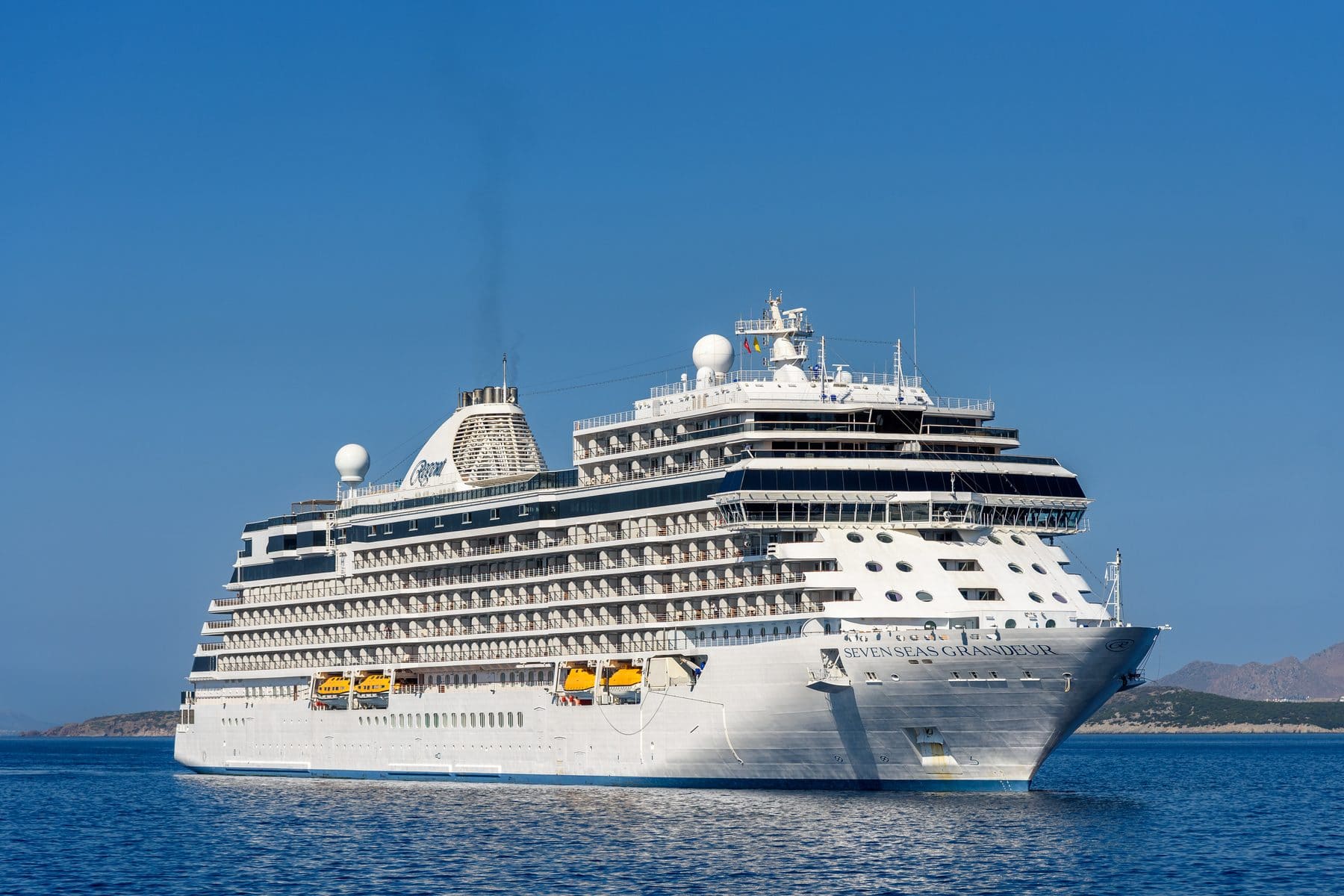
A luxury cruise is usually the stronger choice for mobile grandparents and children ages six to 17. An all-inclusive resort wins for preschoolers, complicated sleep schedules and groups wanting one fixed base. Explora Journeys and Crystal make the strongest family cases in the available luxury set. Seabourn belongs on the shortlist when adult service, quiet space and destination time matter more than organized children’s programming. Start with the youngest child’s routine, not the adults’ preferred brand or dining style.
The cruise case improves when grandparents want several places without repeated packing. Explora I and Explora II pair adult areas with a Nautilus Club open from 9:00 a.m. until midnight. Crystal provides Fantasia for children and Waves for teenagers, though supervised programming operates only on selected sailings and dates. Those distinctions matter. A ship with a room called a children’s center does not necessarily offer dependable care throughout every voyage or for every age.
The resort case strengthens when pool time is the main event and nobody wants a daily departure schedule. A fixed room also reduces the friction of elevators, gangways, tenders and changing ports. Grandparents can skip an activity without separating from the family for an entire port day. That arrangement suits a toddler who still naps and a grandparent who wants limited walking. It is less compelling for teenagers who quickly exhaust one beach, one pool complex and one evening routine.
Our practical shortlist begins with Explora Journeys for connected accommodations and a defined ages six-to-17 program. Crystal works for families whose children can enjoy Fantasia, Waves and shared meals without constant supervision. Seabourn fits older grandchildren who prefer wildlife, dining and shore time over a conventional club. AmaWaterways can suit an active three-generation river group, while Windstar is better for independent teenagers. Neither should be selected primarily for nursery care or large-scale children’s facilities.
Connected Ocean Suites protect everyone’s privacy
Space should be measured by usable bedrooms, bathrooms and doors, not the square footage of one impressive suite. Explora I and Explora II offer 82 connected-suite arrangements across Ocean Suites, Ocean Penthouses and Ocean Residences. That breadth lets grandparents keep a private sleeping area while parents remain next to children. It also avoids turning a living room into a nightly bedroom. A resort may provide a larger room, yet two separate resort rooms can leave young children across a public corridor.
Connected suites usually beat one oversized suite for three generations. A grandparent can retire early, a teenager can watch a movie and parents can manage bedtime without asking everyone to whisper. Two bathrooms also matter more than a large sitting room during a morning shore departure. Ask whether the connection is an interior door, a shared vestibule or adjacent entrances. These layouts behave differently after bedtime, and a balcony connection should never be treated as a substitute for an internal doorway.
An all-inclusive resort becomes more attractive when the party needs several full-size beds and substantial outdoor ground space. Families can spread across a villa or several nearby rooms, then meet by the same pool each day. That can feel easier than dividing six people among shipboard capacity rules. The weakness is distance. A sprawling property may require long walks between bedrooms, restaurants and children’s areas, while a ship keeps dining, programs and accommodations within one compact structure.
Large novelty suites are not automatically the luxury answer. As a contrast, Legend of the Seas offers multilevel Royal Loft and Icon Loft layouts, while its Ultimate Family Townhouse spans three levels with a terrace, hot tub, patio and private cinema. That scale serves families who want the ship itself to be the destination. Explora’s connected Ocean Residence combinations take a quieter approach. Choose separate sleeping zones over slides, themed rooms or extra stairs when mobility and rest drive the decision.
Open dining suits three-generation port days
A cruise works well when each generation can follow a different daytime pace and still meet for dinner. Grandparents might take a morning tour while teenagers sleep, then everyone gathers after the ship sails. Luxury ships generally keep service close and public areas compact, reducing the work of regrouping. Crystal supports younger diners with children’s menu choices and Scoops gelato. A resort offers more freedom to arrive late from the pool, but popular restaurants may still require reservations or fixed seating windows.
The strongest cruise rhythm alternates shared experiences with deliberate separation. Explora’s Nautilus Club runs daily from 9:00 a.m. to midnight for ages six to 17, giving adults room for an unhurried meal. Helios Pool & Bar on Deck 12 is reserved for adults, while selected areas may receive adult or family designations during busy periods. This structure lets grandparents protect quiet time without placing children outside the trip. Families still need agreed meeting points because shipboard schedules change by day.
A resort better supports families who want breakfast, pool time, lunch and dinner in the same familiar area. Nobody must return from shore before sailing, and a late sleeper never misses the destination entirely. That slower pattern can preserve energy for grandparents managing heat or reduced stamina. Its trade-off is repetition. Even several restaurants can begin to feel similar after a week, particularly for teenagers who want movement, new scenery and independent activity beyond the property boundary.
Formality should follow the family rather than dictate the booking. Children who can sit through a longer dinner may enjoy Crystal’s service style, while restless preschoolers often do better with an early meal and quick exit. Windstar can suit families with self-directed teenagers who value water access and informal shared time. A highly scheduled group should avoid a ship if every person expects the same tour, meal and bedtime. The cruise advantage comes from separating gracefully, then meeting again without logistical work.
Ages three to five need closer supervision
Children’s ages decide this comparison more reliably than the adults’ tastes. Explora’s core Nautilus Club serves ages six to 17. Children ages three to five may attend certain age-appropriate periods only with a parent or guardian. That is a clear dividing line for grandparents expecting daily drop-off care. Infants from six months through two years can receive toys in the suite, but toys do not replace supervision. Families with several preschoolers should usually favor a resort with a suitable daily program.
School-age children gain more from the cruise format. Explora offers sports sessions, technology tournaments, arts, crafts, board games and reserved periods at a heated pool or Sports Court. Teenagers can use game consoles and social spaces without being placed with much younger children. The grandparents retain access to adult areas rather than spending every afternoon beside a family pool. This balance works best when the children will attend voluntarily. A reluctant teenager can make any formal program irrelevant, regardless of its hours.
Crystal suits children who can move between family time and lightly structured activities. Fantasia serves younger guests, while Waves gives teenagers a separate center. Organized events may include team games, scavenger hunts, movie nights and children’s parties, but supervision is tied to selected sailings and periods. Outside those times, an adult must accompany children using the spaces. Crystal is therefore weaker for parents or grandparents who require a predictable full-day club. It is stronger for families treating programming as an option.
Grandparents should assess their own stamina as carefully as the children’s independence. A compact ship can reduce distances, yet shore days may still involve early starts, steps and tender transfers. A resort removes the pressure to participate in every landing and keeps the room available all day. Active grandparents with teenagers often thrive on a cruise because each person can choose a different activity. Grandparents with limited mobility and grandchildren under six may prefer a compact resort where the pool, dining room and bedroom sit nearby.
Count clubs, excursions and babysitting separately
The word all-inclusive does not make two vacations financially comparable. Build each option around the services your family will actually use. On a cruise, separate the fare from private shore trips, specialty activities, child care and any transportation before or after sailing. At a resort, separate the room plan from off-property tours, airport transportation, private dining and age-restricted children’s services. The better value is the option covering your essential routine, not the one with the longest general list.
Explora’s family terms are unusually specific. Children ages two to 17 may receive savings, while infants ages six to 23 months may sail without a separate cruise charge under the applicable offer. Adults occupying the third or fourth berth may also receive a reduction. Those rules affect room selection because capacity, age and berth position matter. They should not justify crowding four people into one suite when two connected Ocean Suites would produce better sleep, privacy and bathroom access for a three-generation party.
Crystal treats babysitting as a separate, limited service rather than a full nursery substitute. An individual sitter can care for no more than three children, each older than one year, inside the family’s room or suite. A session may last up to three hours and cannot run overnight. That arrangement can cover one adult dinner. It does not support a full shore excursion or repeated all-day care. Families needing dependable daily supervision should give a resort’s written child-care schedule greater weight.
Mass-market ships illustrate why the program details require attention. MSC divides children into Baby Club ages zero to three, Mini Club ages three to six, Junior Club ages seven to 11, Young Club ages 12 to 14 and Teen Club ages 15 to 17. Most clubs are included, while Baby Care carries an added charge. A luxury ship may offer more personal service and calmer public rooms, but it rarely matches that scale. Choose the luxury ship for the whole family experience, not maximum programming volume.
Seven to 15 days reward active families
Cruises are stronger when the destinations justify moving almost every day. Alaska, the Mediterranean and the Galapagos reward families who want wildlife, history or active shore time rather than a single beach. Seabourn’s Alaska pattern offers voyages lasting seven to 15 days from Vancouver or Juneau, with glacier viewing and ports such as Sitka, Wrangell and Klawock. Look toward the 2027 and 2028 Alaska seasons rather than departed 2026 sailings. Older children usually gain more than toddlers from that changing scenery.
A river cruise can work for grandparents funding three generations, but the family must enjoy destination-led days. AmaMagna offers large suites, four restaurants and a Danube setting where several generations can separate for excursions and reconvene aboard. AmaWaterways suits mobile school-age children and teenagers who engage with towns, cycling or historical visits. It is not the first choice for families expecting a water park, nursery or long pool days. River schedules can also feel demanding when the group insists on touring together.
Galapagos cruising is strongest for capable swimmers and curious children who tolerate small vessels. Quasar’s Grace carries 16 guests, while Evolution carries 32. Both use formats lasting eight or 15 days, with activities such as snorkeling, kayaking, paddleboarding, Zodiac rides and hikes. The listed summer 2026 departures have already passed, so families should treat those ships as a format example rather than a current departure recommendation. The fixed-base resort wins if seasickness, wet landings or daily wildlife outings would dominate family discussions.
Resorts are stronger in places where the property experience matters more than touring. Choose one for a winter sun week, a beach-centered school break or a family celebration with guests arriving from several cities. Everyone can settle once and follow the same local rhythm. Cruises gain the edge when Vancouver, Juneau, Rome or several Caribbean islands are part of the reason to travel. The family sees more without changing hotels, although each port introduces a deadline that a resort does not impose.
One pool base wins for preschool routines
Choose the resort when the youngest child’s schedule controls the day. A preschooler who naps after lunch, eats at 5:30 p.m. and needs familiar surroundings gains little from a new port each morning. The same applies when grandparents want a chair by one pool rather than daily shore plans. Explora permits ages three to five in Nautilus only during specific periods with an accompanying adult. That rule alone can overturn the cruise decision for a family expecting several hours of independent child care.
Choose the resort for a large reunion with uneven budgets and different arrival dates. Guests can stay for varying durations, meet at common pools and skip organized events without missing a sailing. A fixed property also handles family members who dislike ships or worry about motion. The cost is less variety and potentially more walking across the grounds. Families should favor a compact property over a sprawling one when grandparents have limited stamina or parents will repeatedly return to the room for infant supplies.
Choose a larger family ship instead of a luxury ship when children’s infrastructure outranks quiet service. Legend of the Seas brings Category 6 Waterpark, a surf simulator, an obstacle course, a rock wall, a carousel and several performance venues. Royal Caribbean is a mass-market contrast, not our luxury recommendation. Its scale may still fit grandchildren who expect major attractions from morning through evening. Explora, Crystal and Seabourn are better choices when the adults will not enjoy crowds, noise or a resort-style ship.
Choose the cruise when the resort’s advantages do not match your family’s actual behavior. Teenagers who leave the children’s club after one visit may prefer a port, a kayak outing or independent time aboard. Grandparents who dislike repeating the same restaurant may welcome a moving itinerary. Families celebrating together can still preserve private time through connected suites and adult areas. The ship is the wrong choice only when its movement, schedules or age rules create more work than the destinations and onboard service remove.
Confirm connecting doors, dates and age rules
Decide from a written family profile before comparing brands. Record every traveler’s age at sailing, sleeping needs, mobility limits and preferred daily pace. Mark which adults can supervise each child and how many evenings require outside care. A young child eligible for Nautilus presents a different booking from a young child who needs an accompanying adult. A teenager wanting gaming also differs from one expecting kayaking. These details narrow the field faster than broad labels such as luxury or all-inclusive.
Match the accommodation to nighttime behavior next. Ask for a floor plan showing the exact connecting door, bed configuration, bathroom count and maximum occupancy. Explora I and Explora II offer connected combinations among Ocean Suites, Ocean Penthouses and Ocean Residences, but the right pairing depends on who sleeps where. Confirm whether grandparents can reach the children internally after the main doors are locked. A shared balcony or nearby room number does not provide the same access as an interior connection.
Match the program to the specific departure rather than the general brand. Crystal’s organized Fantasia and Waves activities run on selected sailings and at selected times. Babysitting covers up to three children older than one for no more than three hours. Explora’s Nautilus hours are broader, but the core age band starts at six. Ask for the daily schedule from a comparable sailing, then test it against dinner plans, shore-trip lengths and the child’s normal bedtime. Never build the vacation around assumed supervision.
Finish with the destinations and the least flexible traveler. Alaska from Vancouver or Juneau suits an active group willing to manage seven to 15 days, while a fixed resort better serves daily naps and variable arrival dates. Set priorities in order: room layout, child-care rule, walking tolerance, dining rhythm, inclusions and ports. Confirm exact connecting doors, occupancy, program dates, age eligibility, babysitting limits, excursion demands and resort child-care hours with a specialist before placing the reservation.
Questions people ask
Good to know
Questions, answered
Can grandparents take grandchildren on a cruise without the parents?
Usually, but the booking requires more preparation than an ordinary family trip. Carry the cruise line’s required consent documents, medical authorization and identification for each child. Match the child’s age to the actual program before choosing. On Explora, children ages three to five may enter Nautilus only at specified times with a parent or guardian, while the independent core program serves ages six to 17.
Which luxury cruise has the best setup for video-game-loving teens?
Explora I and Explora II offer a strong setup for ages six to 17. Nautilus includes PlayStation 5, PlayStation VR2, Xbox, Nintendo Switch, iPads and Oculus Pro, plus technology tournaments. The club runs from 9:00 a.m. until midnight. A teenager who wants waterslides and large attractions may prefer a mass-market ship, while one seeking quieter independence may fit Explora better.
What can grandchildren do on Crystal during a sea day?
Crystal’s younger guests may use Fantasia, while teenagers have Waves. Activities can include bridge visits, scavenger hunts, team games, crafts and movie nights with popcorn. The key distinction is timing. Organized supervision operates on selected sailings during certain periods. At other times, an adult must accompany children in Fantasia or Waves, so obtain the applicable family schedule before relying on those rooms.
Is a Galapagos cruise suitable for a multigenerational family?
It can suit active grandparents and children comfortable around water and small vessels. Grace carries 16 guests and Evolution carries 32, using formats lasting eight or 15 days. Typical days may involve snorkeling, kayaking, paddleboarding, Zodiac rides and hikes. A resort is safer for the booking decision when someone dislikes motion, cannot manage repeated small-boat transfers or expects drop-off child care rather than shared wildlife activities.
Do luxury cruise ships provide cribs and infant supplies?
Explora hosts can provide cribs, blankets, linens and pillows when requested. Infants from six months to two years may also receive in-suite toys, and younger guests can receive smaller bathrobes, slippers and hangers. Request each item before sailing and connect it to the specific reservation. Families should still pack any sleep product, feeding item or medical supply that the child cannot comfortably replace.
Still have a question? Book a free 30 minute call or send us the brief.
Sources
Where to go next
- Hosting the family: Bringing the family together without taking on the planning.
- Three generations: Connecting suites, pacing, dining and who pays.
- Book a free 30 minute call: Tell us who is traveling; we will shortlist the ships we would consider.