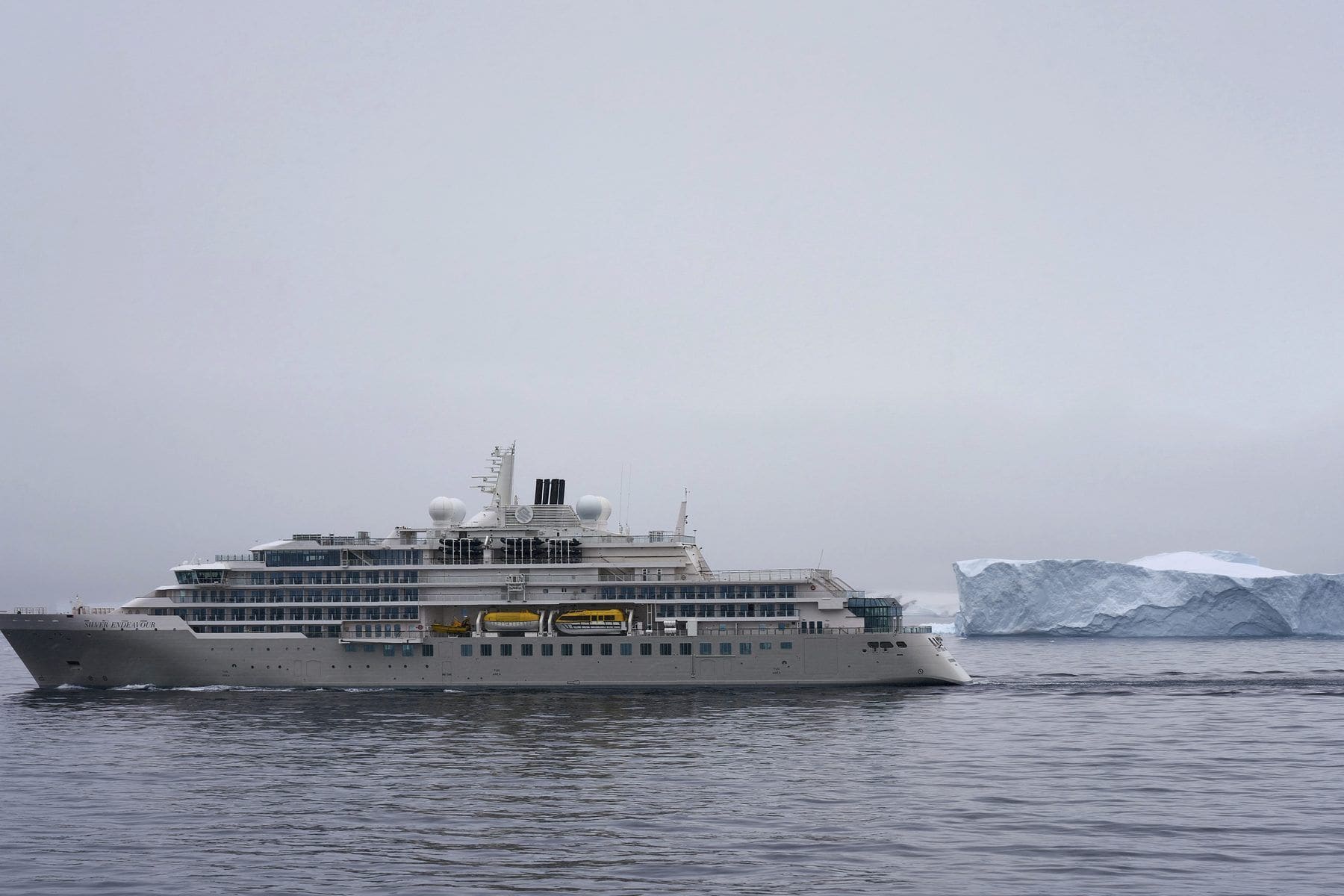
Seabourn wins most three-generation bookings
Choose Seabourn for most three-generation groups seeking an easy shared routine and predictable onboard inclusions. Choose Silversea when all three generations are adults who value expedition guidance and close dining service. Seabourn Encore and Seabourn Ovation suit conventional ocean cruising. Seabourn Pursuit and Seabourn Venture serve more active families. Silversea becomes compelling when Silver Muse, Silver Wind, or another small ship matches the destination and the family expects to spend substantial time together rather than using separate age-based facilities.
Seabourn presents the clearer default because every suite faces the ocean and every dining venue is complimentary. Its open bar covers premium wine, Champagne, and spirits, while the in-suite bar is also included. That structure reduces daily negotiations when grandparents are hosting adult children and grandchildren. Seabourn Quest adds several dining choices without venue surcharges. The decision is less about status than household rhythm: several generations can separate during the day, then regroup without discussing which restaurant carries an added charge.
Silversea works best when family members see attentive service as part of the daily experience. Silver Wind’s Hot Rocks offers outdoor dining, while La Terrazza and The Restaurant give a group different settings. Family accounts aboard Silver Muse in Alaska also show the line accommodating parents, adult children, and grandparents on one voyage. We would not make Silversea the automatic choice for families requiring organized children’s activities. Its strongest case here concerns shared exploration, remembered preferences, and smaller groups eating together.
Neither choice should begin with brand loyalty alone. Start with the youngest traveler, the least mobile grandparent, and the number of private sleeping rooms required. Seabourn Venture may suit a capable group wanting Zodiacs, kayaks, and expedition leaders. Seabourn Encore may better fit relatives who prefer conventional ports and fewer equipment-based days. Silversea deserves priority when a destination such as Greenland or the Galápagos drives the trip. Families seeking a large children’s complex should not select either line on reputation alone.
Seabourn oceanfront suites versus Silver Muse space
Treat the suite plan as a rooming calculation, not a contest between decorative styles. Seabourn identifies every accommodation as an oceanfront suite across Seabourn Encore, Seabourn Ovation, Seabourn Quest, Seabourn Pursuit, and Seabourn Venture. That establishes an outside outlook for every household, but it does not settle bed counts or door arrangements. A three-generation party should map each adult couple, teenager, and child to a real bed before comparing the wider ship experience.
Do not assume that adjacent suite numbers create a connecting family unit. A grandparent paying for three generations may need two or three independent suites, depending on ages and sleeping preferences. Seabourn’s oceanfront standard is useful, yet the exact category still determines location and practical separation. On an expedition ship, proximity to the Expedition Lounge or Discovery Center may matter. On Seabourn Encore, distance from evening spaces may matter more to a grandparent using a cane or tiring early.
Silversea’s family examples support shared voyages, not a universal room configuration. Silver Muse carried parents and their adult child in Alaska, while other Silversea guests have shared a suite with an immediate relative. Those examples show that adult families use the line successfully. They do not justify assuming that Silver Muse, Silver Wind, or Silver Spirit offers the same occupancy in every accommodation. Compare the exact suite diagram against nighttime privacy, bathroom demand, storage, and the grandparent’s walking tolerance.
Space per guest depends on how many people occupy each booked suite. Two adults in separate oceanfront suites may have more practical privacy than four relatives sharing a larger accommodation. Teenagers often benefit from their own bathroom and a nearby door, while younger children may need direct internal access. Grandparents usually value a quiet route to bed over extra entertaining space. Decide the household arrangement first, then compare the named suite categories available on the chosen Seabourn or Silversea departure.
Solis and Hot Rocks set different rhythms
Choose Seabourn when the family wants several included meals without tracking venue charges. Solis expands the line’s dining choices, while Seabourn Quest offers varied venues without an added restaurant fee. The Restaurant and The Colonnade appear among the spaces on Seabourn Pursuit and Seabourn Venture. This arrangement helps grandparents host dinner without turning every evening into a financial discussion. It also lets one household dine separately, then meet the wider family later at Seabourn Square.
Choose Silversea when remembered preferences and sustained dining relationships matter more than a defined included package. A head waiter on Silver Cloud learned guests’ names, handled requests, and arranged a birthday dinner. Groups aboard another Silversea expedition ate together at Hot Rocks, La Terrazza, and The Restaurant. Hot Rocks is an outdoor steakhouse beside the pool, so weather and family tolerance for outdoor meals shape its usefulness. The three settings create variety for adults spending many evenings together.
Seabourn’s pace suits relatives who want independent days followed by a reliable shared dinner. Expedition leaders on Seabourn Pursuit and Seabourn Venture add structure during remote calls, while speakers and wellness offerings support quieter sea time. The small ship format avoids the distances found on resort-style ships. It also offers fewer distractions for children who need constant stimulation. Families should see the limited scale as an advantage only when conversation, ports, reading, and meals already hold the group together.
Silversea’s expedition pace can become the main family activity rather than background entertainment. Greenland examples include small-boat exploration, tundra walks with scientists, tiny communities, and a natural hot pool. That schedule rewards relatives who prepare together and accept changing daily priorities. It is not the right fit for a grandparent who wants long, predictable mornings ashore without expedition equipment. Silver Muse in the Mediterranean or Alaska can provide a more conventional pattern than Silver Wind in Greenland.
Venture suits active families, Muse suits adult generations
Book Seabourn Venture or Seabourn Pursuit for capable teenagers who prefer activity over organized youth entertainment. Both expedition ships carry Zodiacs and kayaks, supported by expedition leaders. Those particulars can unite grandparents, parents, and teenagers around one destination. They can also divide a family when mobility differs sharply. A teenager who enjoys wildlife and photography may engage fully, while a younger child expecting slides, mascots, or a large supervised club may find the ship too quiet.
Book Silver Muse for three adult generations who place conversation, meals, and ports above scheduled children’s activities. Silversea has hosted an adult child returning to sea with both parents on an Alaska voyage. Another family selected a seven-day route from Vancouver to Seward for a father, his children, and their spouses. That pattern suits grandparents traveling with grown children particularly well. It is weaker for parents who expect the ship to occupy young children during every sea day.
Seabourn’s conventional ships suit grandparents who prefer a steady onboard routine. Seabourn Encore, Seabourn Ovation, and Seabourn Quest pair oceanfront suites with included dining and bar service. Speakers, entertainment partnerships, and wellness offerings give adults choices without creating a crowded schedule. Teenagers who enjoy dining with adults and exploring ports may adapt well. Teenagers requiring extensive peer programming may not. Younger children need parents prepared to provide their own structure during meals, sea days, and evenings.
Silversea’s expedition side suits curious families who can follow guides and respect protected environments. Its Galápagos work includes naturalist and expedition leadership connected with Floreana Island and conservation. That intellectual focus can engage older teenagers and grandparents sharing interests in wildlife, photography, or ecology. It is less suitable for relatives who want shopping time, independent beach days, or predictable motorcoach touring. A family containing both active teens and a mobility-limited grandparent should compare the daily landing method before choosing.
Seabourn includes dining, drinks, caviar, and suite bars
Seabourn gives the host the clearer included framework. Premium spirits, fine wines, Champagne, caviar, all dining venues, and the in-suite bar are complimentary. Welcome Champagne is also part of the onboard offering. These items matter when grandparents are covering several suites because routine dining and drinks do not require repeated decisions. Seabourn Quest specifically offers varied dining without an extra venue charge. The structure favors adult groups who expect to dine and socialize together most evenings.
Expedition equipment strengthens Seabourn’s value for active families. Seabourn Pursuit and Seabourn Venture carry Zodiacs and kayaks, alongside specialist expedition teams. The practical benefit depends on participation. Grandparents remaining aboard while younger relatives land may receive less value from that structure. Families should not choose an expedition ship merely because equipment exists. The destination, physical ability, and willingness to follow expedition procedures matter more than the number of available activities or the novelty of a Zodiac ride.
Silversea’s strongest supported advantages concern service, restaurants, and shore experience rather than a complete inclusion list. Hot Rocks, La Terrazza, and The Restaurant can support several group dinners without repeating the same atmosphere. Personal attention has included learning names, responding to dining requests, and arranging a birthday meal. Those service details can matter greatly to grandparents hosting a milestone trip. They do not replace a line-by-line comparison of beverages, specialty dining, excursions, gratuities, transfers, and expedition equipment.
Extra spending usually begins where the family’s own choices exceed the included structure. Private touring, special transportation, and independent meals ashore require separate planning even when the ship’s dining is included. Seabourn’s complimentary Marina water sports operate only in select Mediterranean ports, so they should not drive every itinerary decision. Silversea families should compare the exact fare conditions attached to their chosen sailing. A seven-day voyage and a longer expedition can package shore arrangements differently, even within one line.
Seabourn spans Mediterranean ports and 2026 expeditions
Choose Seabourn for the broader visible choice between conventional ocean cruising and expedition travel. Its fleet visits more than 400 ports across every continent. Current destination groupings include the Mediterranean, Caribbean, Northern Europe, Alaska, Japan, the Amazon, Antarctica, the Arctic, and the Kimberley. Seabourn Encore and Seabourn Ovation fit conventional routes. Seabourn Venture and Seabourn Pursuit cover remote regions. This breadth helps a family match mobility and attention span without leaving one line’s operating style.
For late 2026 planning, Seabourn lists October, November, and December 2026 departure filters. Its 2026 expedition collection covers the Arctic, Antarctica, the South Pacific, and the Kimberley in northwestern Australia. A Northwest Passage program also appears for Seabourn Venture in 2026. These regions demand very different clothing, flight planning, and physical readiness. A family considering the remaining 2026 season should select the region before debating restaurants or suite finishes.
For 2027 planning, Seabourn’s departure search includes ports such as Barcelona, Civitavecchia, Piraeus, Lisbon, Bridgetown, Miami, Vancouver, and Tokyo. Available duration bands run from seven days or fewer through 26 days or longer. Mediterranean ports favor families wanting frequent shore time and straightforward cultural touring. Caribbean embarkations can reduce flight strain for some American grandparents. Longer Arctic, Antarctic, or South Pacific choices require greater comfort with sea days, changing conditions, and limited independent movement.
Choose Silversea when one remote place carries more weight than fleet breadth. Greenland travel aboard Silver Wind has combined Ilulissat, small-boat exploration, tundra walks, and scientist-led activity. The Galápagos brings naturalist leadership rooted in the islands themselves. Silver Muse has also carried families in Alaska and anchored near Cannes in the Mediterranean. Those examples show distinct expedition and ocean personalities. Current routing must lead the decision, because a family seeking Greenland has different needs from one seeking Mediterranean evenings ashore.
Silversea wins for Greenland and close service
Choose Silversea over Seabourn when Greenland or the Galápagos defines the family’s purpose. Silver Wind has operated along Greenland’s west coast, including Ilulissat and its deep fjord. Expedition days there have involved boats, ice, small settlements, scientific interpretation, and walks ashore. In the Galápagos, Silversea’s naturalist leadership adds local knowledge and conservation context. Three adult generations sharing a strong interest in wildlife or photography may value that depth above Seabourn’s broader menu of destinations.
Choose Silversea when the grandparents want the family recognized as individuals rather than managed as a block. Dining service has included staff learning names quickly, checking preferences, and arranging a birthday dinner. Adult groups have moved among Hot Rocks, La Terrazza, and The Restaurant while maintaining a shared evening routine. That approach suits a milestone gathering where meals carry much of the emotional weight. Seabourn still wins when the host wants a more clearly defined set of included drinks and dining.
Choose Seabourn over Silversea when active relatives want expedition hardware attached to a clearly identified ship. Seabourn Pursuit meets PC6 Polar Class standards, while both Pursuit and Venture carry kayaks and Zodiacs. Their Expedition Lounge, Bow Lounge, and Discovery Center support the day’s field activity. Seabourn also offers conventional ships when one grandparent cannot manage expedition landings. A mixed-mobility family can therefore compare Seabourn Venture with Seabourn Encore without abandoning the line’s included dining structure.
Consider Windstar only as a different small ship answer for self-directed multigenerational families. Its Greek Isles pattern has included a seven-day route, Monemvasia in August, and calls near Nafplio. Teenagers have slept late while adults toured Mycenae, then used the ship’s water-sports platform. The tradeoff is fewer restaurants and fewer child-focused activities. That option suits families wanting frequent ports and simpler days, but it does not displace Seabourn or Silversea for an expedition-led trip.
Confirm beds, doors, landings, and fare terms
Build the decision around four people before choosing the ship. Identify the youngest child, the most active teenager, the least mobile grandparent, and the person funding the trip. Then choose the destination and daily pace. Seabourn Venture fits families willing to organize days around expedition operations. Seabourn Encore fits relatives preferring conventional ports and included dining. Silver Muse suits adult generations wanting close service, while Silver Wind becomes stronger when expedition activity defines the vacation.
Draw the suite plan before comparing dining rooms. Mark every real bed, bathroom, internal door, balcony, and walking route to the elevator. Seabourn’s oceanfront standard applies across the fleet, but each chosen category still needs its own occupancy check. Silversea families should perform the same exercise on Silver Muse, Silver Wind, or Silver Spirit. Do not use total square footage alone. A larger suite without the right doors can work worse than separate accommodations placed close together.
Test the itinerary against ordinary family behavior. A seven-day trip may help first time luxury cruisers and school-age children adjust without committing to a long absence. An 8 to 14 days Seabourn option gives adult generations more time together, while 15 to 25 days and 26 days or longer choices demand greater schedule flexibility. Expedition families must assess Zodiac entry, wet landings, kayaks, and walking surfaces. Conventional Mediterranean families should assess port frequency, heat tolerance, and the distance between ship and touring vehicles.
Set one shared daily anchor and leave the remaining hours flexible. Dinner at Solis, The Restaurant, La Terrazza, or Hot Rocks can serve that role, depending on ship and conditions. Grandparents should not feel responsible for filling every teenager’s hour. Parents should not assume expedition leaders replace supervision. Confirm exact suite occupancy, connecting doors, minimum ages, mobility requirements, dress expectations, fare inclusions, restaurant access, and landing procedures with a luxury cruise specialist before committing.
For the two lines head to head on every point, see the side-by-side comparison.
Questions people ask
Good to know
Questions, answered
Is a seven-night cruise long enough for three generations?
Seven nights can work well for a first shared cruise because the commitment remains manageable. Silversea family examples include seven-day Alaska, Caribbean, and Monte Carlo-to-Venice voyages. Seabourn also groups departures into seven days or fewer. A shorter sailing leaves less time to recover from long flights, so port of embarkation and the grandparent’s stamina matter more than the calendar alone.
Which line is better for a family birthday cruise?
Silversea has a strong case when the birthday centers on personal dining service. A Silver Cloud head waiter arranged a special birthday dinner, while Silver Wind also hosted a seven-day Caribbean birthday trip. Seabourn may be easier for a larger hosted party because all dining venues, premium wines, spirits, caviar, and the in-suite bar are included within its stated onboard offering.
Can grandparents stay aboard during expedition landings?
A grandparent can build a quieter ship day while active relatives join an expedition, but the experience depends on the vessel and operation. Seabourn Pursuit and Seabourn Venture have an Expedition Lounge, Bow Lounge, and Discovery Center, giving nonparticipants useful onboard spaces. Families should still examine each landing schedule, since remote itineraries may concentrate the day’s principal experience away from the ship.
Which embarkation ports are easiest for an American family?
Seabourn’s search includes Miami, New York, Long Beach, Honolulu, Vancouver, Anchorage, and San Juan among its embarkation choices. The easiest port depends on nonstop flights, the grandparent’s mobility, and the need for an overnight hotel. Vancouver can suit Alaska planning, while Miami or San Juan may simplify Caribbean travel. International sailings require more recovery time before boarding.
Will teenagers be bored on a small luxury ship?
Teenagers who enjoy ports, wildlife, photography, kayaking, and adult meals may prefer a small ship. Seabourn expedition vessels carry kayaks and Zodiacs, while Silversea’s Greenland activity has included scientist-led tundra walks. Teenagers expecting many peers and extensive scheduled entertainment may struggle. A seven-day Greek Isles example on Windstar shows another pattern: teens slept late, then swam and kayaked while adults toured.
Still have a question? Book a free 30 minute call or send us the brief.
Sources
Where to go next
- Hosting the family: Bringing the family together without taking on the planning.
- Three generations: Connecting suites, pacing, dining and who pays.
- Book a free 30 minute call: Tell us who is traveling; we will shortlist the ships we would consider.







