Luxury comfort or standard expedition value
Luxury expedition cruising is the better choice for travelers who value a spacious cabin, attentive service and fewer separate expenses. A standard expedition is better for active travelers who will accept simpler rooms and meals to reduce the overall trip cost. Both can deliver landings, Zodiacs and naturalist-led exploration. The meaningful divide is onboard comfort, not access to Antarctica, provided the standard ship carries fewer than 500 passengers and operates as a true expedition vessel.
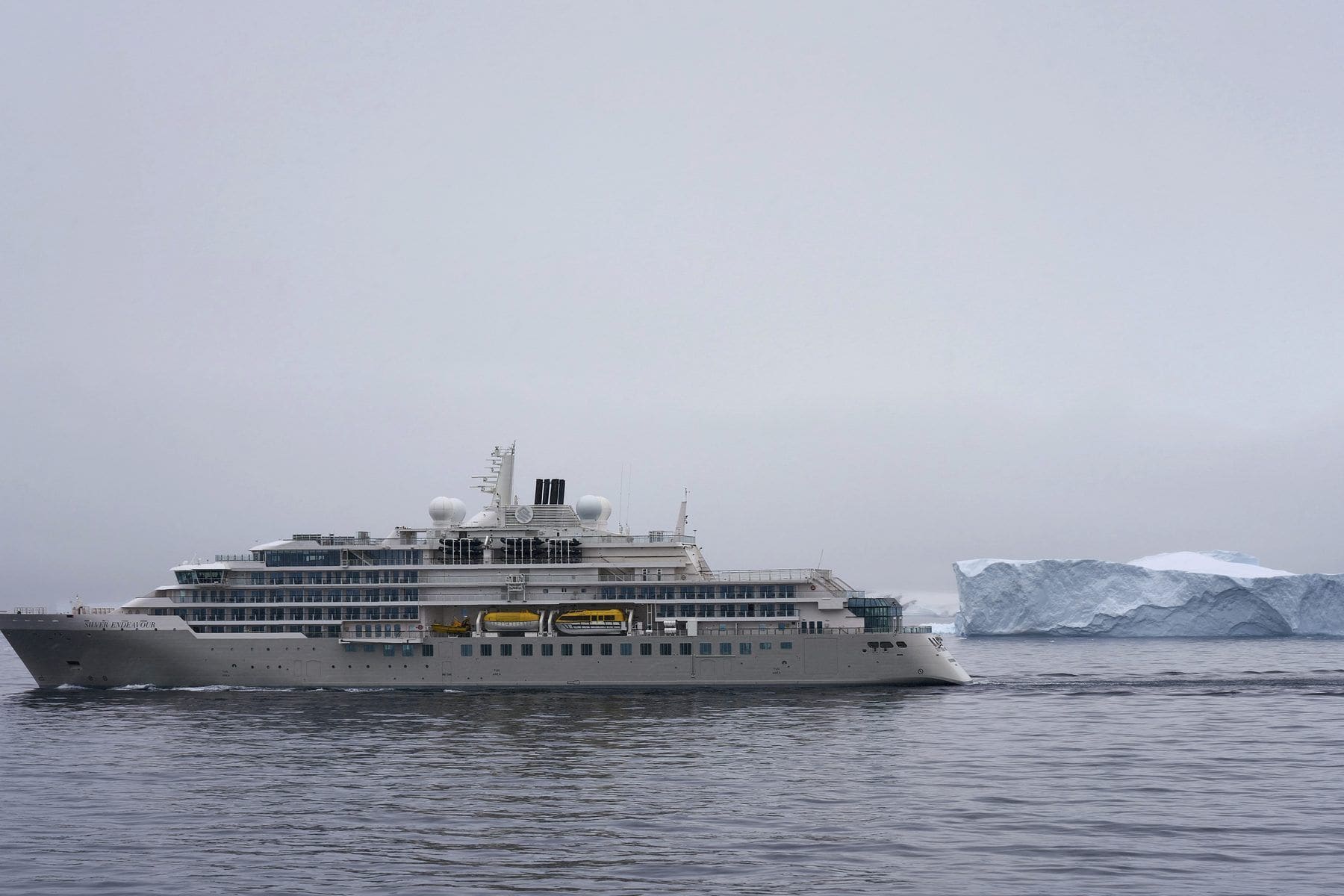
Couples and grandparents should start with Silversea or Ponant when quiet evenings and private space matter after a cold landing. Silver Endeavour carries 200 guests, while Silver Cloud carries 254 and Silver Wind carries 274. Those capacities support an expedition format without placing travelers on a converted research vessel. Travelers prone to fatigue also gain more value from a comfortable suite when several consecutive days include wet landings, changing weather and early starts.
Lindblad represents the expedition-first alternative in this comparison. Its National Geographic Endurance and National Geographic Resolution offer practical cabins and polar capabilities rather than a resort-style routine. This approach suits photographers, active couples and teenagers who care more about wildlife than restaurant choice. Travelers expecting a large veranda, multiple dining rooms or a personal butler should choose the luxury tier instead. Families needing supervised children’s programs should not assume any polar ship provides one.
A large conventional cruise is a third category, not a standard expedition. Ships carrying 500 or more passengers cannot make Antarctic landings, so passengers view the continent from the ship. That can suit travelers who cannot use Zodiacs or manage uneven shores. It is the wrong choice for anyone who considers stepping onto the continent essential. The standard expedition wins only when its simpler onboard product still includes the shore program that justified the trip.
Le Boréal suites show the space trade-off
Measured at maximum occupancy, Le Boréal’s suite categories show why room size alone can mislead. The 400-square-foot Prestige Suite sleeps four, allowing about 100 square feet per guest when full. The 486-square-foot Owner’s Suite sleeps two, providing about 243 square feet per guest. Couples buying the Owner’s Suite receive far more personal room, while a family using every Prestige berth gains shared living space but much less space for each person.
Le Boréal’s 292-square-foot Deluxe Suite sleeps two, or about 146 square feet per guest. Its 194-square-foot Lower Deck Balcony and Upper Decks Balcony staterooms also sleep two, leaving about 97 square feet each. The balcony categories suit couples who want private outdoor access without paying for unused sleeping capacity. The Deluxe Suite makes more sense when indoor room matters during sea days, dressing and the repeated cycle of changing into expedition clothing.
The 226-square-foot Window or Porthole Stateroom can hold three guests, producing about 75 square feet per person at full occupancy. That arrangement may work for parents and one older child who pack carefully. It is a poor fit for three adults carrying camera equipment and bulky layers. Families needing two bathrooms, separate bedrooms or a connecting door should treat occupancy as only the first filter. A room that technically sleeps the party may still function badly.
Standard expedition cabins can be simpler without preventing shore access. Category 2 cabins on National Geographic Endurance and National Geographic Resolution have two single beds that convert to a queen, two large windows, a window sofa and a two-seat sofa. Their appeal is practical rather than residential. Luxury earns its premium when a couple needs more floor space or a group requires a true suite. A well-designed standard cabin wins when travelers spend most waking hours outside it.
Silversea keeps polar evenings informal
Antarctica changes dining priorities because the expedition schedule controls the day. Luxury ships may offer several restaurants, stronger wine selections and higher-grade ingredients, while basic converted vessels usually provide fewer choices. The practical advantage is flexibility after a long Zodiac outing, not ceremony. Travelers should favor reliable meal access and comfortable seating over elaborate menus. A ship with more venues can absorb changing return times better, especially when weather delays one landing group.
Service matters most between excursions. Higher-tier expedition ships may provide personal butlers, salons, saunas and large private verandas. Those features help couples who want quiet recovery time and grandparents who prefer assistance with daily routines. They add less value for travelers who return from a landing, attend the briefing, eat and sleep. Standard service is sufficient when the expedition team and polar operation remain the party’s clear priorities.
Silversea’s onboard dress is practical during the day. After 6 p.m., guests usually shift to an elegant-casual style for dinner or a drink, but gowns and suits are unnecessary. That makes Silver Endeavour, Silver Cloud and Silver Wind easier for travelers who dislike formal cruise traditions. Warm layers still occupy more luggage space than dinner clothing. Ponant and Lindblad passengers should also pack around shore activity rather than an evening wardrobe.
Daily pace remains controlled by ice, wind and wildlife rather than restaurant reservations. Silversea’s Peninsula voyages use daily Zodiac outings with naturalists, while Le Boréal may explore by Zodiac or kayak. No operator may place more than 100 guests ashore at once, so larger expedition ships rotate groups. Lower-capacity vessels can reduce waiting, though they cannot remove weather delays. Travelers wanting fixed port times and predictable afternoons should choose another destination.
Teenagers gain more than small children
Families should choose Antarctica for shared exploration, not for a children’s club. Teenagers who enjoy hiking, snowshoeing, paddling or sea kayaking can engage with the expedition itself. Younger children may find long briefings, cold transfers and changing plans difficult. Parents needing supervised care, fixed meal periods or separate age groups should choose a different cruise style. A polar voyage works best when every family member can participate together and follow instructions promptly.
Grandparents can thrive on a luxury expedition when they remain comfortable boarding Zodiacs and walking on uneven ground. Limited mobility can restrict shore participation, and guests using wheelchairs must bring their own equipment. The ship may still be rewarding, but missed landings change the value calculation. A large scenic cruise can become the better choice for a grandparent who wants Antarctic views without transfers into small boats or movement across wet, rocky beaches.
Couples gain the widest choice. Active pairs can accept the straightforward cabin on National Geographic Endurance and direct more of their budget toward voyage length. Couples wanting a calm private retreat should favor a Le Boréal Deluxe Suite or a higher Silversea category suited to their needs. Solo travelers face a different calculation because cabin pricing and shared accommodations vary. A smaller cabin can be sensible when paying alone, but sharing should be an intentional choice.
Medical readiness matters more than chronological age. Silversea requires an Antarctica medical questionnaire, and an emergency beyond the ship doctor’s capability may require evacuation to South America. Cruise travel is not recommended beyond the 24th week of pregnancy. These conditions make the voyage unsuitable for some travelers regardless of suite quality. First time polar guests who are healthy but nervous usually benefit from luxury service, while experienced outdoor travelers may prefer a leaner standard operation.
Ponant includes more than a basic fare
Luxury fares usually bundle more of the trip surrounding the ship. Le Boréal’s November 28, 2027 departure is sold as all-inclusive and carries included land services tied to a charter flight in Ushuaia. Higher-tier operators may also bundle a before sailing hotel, transfers, meals, excursions or flights. That structure reduces separate arrangements, which matters when weather or charter operations connect several trip elements. It does not mean every luxury fare contains the same components.
A basic expedition fare often leaves more outside the package. Flights, airport transfers, pre-voyage and post-voyage hotels, gratuities and expedition clothing may all sit beyond the cruise price. That can still produce a lower total for travelers using airline points or arranging their own hotel. It creates more work for a multigenerational group, especially when several households arrive from different cities. The comparison should cover the complete trip rather than the cabin alone.
Silversea supplies mud boots and a custom parka for Antarctica, removing two bulky items from the packing problem. Travelers still need personal layers, gloves and suitable socks. Other operators may handle outerwear differently. Shore activities also require close attention: a fare can include general landings while charging separately for kayaking, snorkeling or another limited-capacity activity. Luxury brings stronger value when the preferred excursions are included, not merely available.
Onboard spending varies at both levels. Alcoholic drinks, internet, phone service, laundry, gratuities, spa appointments and salon treatments can be included, excluded or partly covered. Standard fares commonly create more individual charges, while fuller packages place more cost into the cruise fare. Travelers who drink little and ignore the spa may benefit from paying separately. Groups and first time cruisers often prefer a broader package because it makes the final trip budget easier to manage.
November through March rewards different routes
Antarctica’s operating season generally runs from November through March. A classic Peninsula voyage on Silver Cloud or Silver Wind leaves Puerto Williams, crosses the Drake Passage and explores the Antarctic Sound, Antarctic Peninsula and South Shetland Islands. This is the clearest first expedition for travelers who want landings, penguin colonies and daily naturalist activity without adding distant islands. Ice, wind and weather determine the actual stops, so a printed sequence is never a fixed port schedule.
Ponant offers a useful future example aboard Le Boréal. Its round trip from Ushuaia runs November 28 through December 8, 2027, covering 12 days with 10 nights aboard. The planned focus is the Antarctic Peninsula, reached through the Drake Passage. Gentoo, Adélie and chinstrap penguins may appear alongside humpback whales and several seal species. This route suits travelers who want a conventional sea crossing and a contained vacation length.
Silversea’s six-day Antarctica Fly Cruise aboard Silver Endeavour suits travelers short on time or worried about the Drake. A charter operates from Santiago to Punta Arenas, followed by a flight to King George Island and direct access to the Peninsula. Eight-day choices may include or avoid the crossing, while a nine-day version sails it in one direction. The flight plan trades open-ocean passage for extra logistical dependence on suitable flying conditions.
Longer voyages become stronger when wildlife variety and historical sites outweigh schedule efficiency. Silversea’s 13- to 15-day options can extend through the Southern Ocean toward the Falkland Islands and South Georgia. South Georgia adds major king and macaroni penguin colonies, seals, the Shackleton memorial and mountain scenery. The longer route suits repeat polar travelers and serious photographers. First-timers with limited vacation time usually gain more from concentrating on the Peninsula than collecting distant names.
Standard wins when the ship matters less
A standard expedition wins when Antarctica itself outweighs the cabin, restaurant count and included hotel. Converted research ships can provide smaller rooms and basic amenities while preserving excursions. That is a rational exchange for active travelers who use the ship mainly for meals, briefings and sleep. The saving loses value if essential landings are limited or charged separately. Expedition credentials should take priority over polished public rooms at either price level.
A large scenic ship wins for a narrower audience. Such vessels can carry more than 2,000 guests and often spend only two to four days in Antarctic waters. They cannot land when carrying 500 passengers or more, but they can suit travelers satisfied with distant viewing. The larger platform may also appeal to someone unwilling or unable to board a Zodiac. It does not substitute for an expedition when walking ashore is the central goal.
A simpler small ship can outperform luxury through lower capacity. Since only 100 people may go ashore at one time, a vessel near 200 guests generally needs fewer rotations than a larger qualifying expedition ship. Less time waiting may produce more flexibility for landings. Luxury still wins if the party values several restaurants, spa facilities and a large veranda during sea days. Neither tier has a monopoly on strong expedition work.
Standard also wins when travelers want control over extras. Kayaking, paddling and snorkeling may carry separate charges, allowing guests to skip activities they would not use. Paying independently for flights and hotels can suit couples extending their South America trip on their own schedule. Luxury remains stronger for grandparents financing several rooms or first time travelers who want one coordinated package. The cheaper fare is not better when every omitted item must later be added.
Choose the landing plan before the suite
Start with the required experience. Travelers who need to set foot on Antarctica should remove ships carrying 500 passengers or more. Those who want kayaking should select an expedition operator and determine whether the activity has limited capacity. Travelers who only want views can keep a large scenic ship in consideration. This first decision prevents a fine suite from disguising the wrong operating model. The landing plan should always come before restaurant count or cabin décor.
Match the route to available time and tolerance for open water. The Drake Passage normally takes about 48 hours in each direction and can be rough. A flight to King George Island removes that sailing but introduces a charter and weather-sensitive aviation. A Peninsula-focused trip is the efficient first choice. South Georgia and the Falklands deserve the added days only when their wildlife and historical sites are central reasons for traveling.
Build a complete cost sheet without using the cruise fare as the total. Include international and domestic flights, required hotels, airport transfers, gratuities, expedition clothing, optional activities, drinks, connectivity, laundry and insurance. Place every item under included, extra or unnecessary. This method often narrows the apparent gap between a luxury package and a standard fare. It also reveals when an all-inclusive structure charges the party for benefits nobody expects to use.
Choose the smallest workable accommodation, then spend more only for a clear purpose. Couples may value a private veranda, while three generations may need multiple bathrooms and doors between rooms. Before booking, ask us to confirm the exact ship, suite layout, connecting doors, child rules, landing rotations, included activities, charter arrangements, outerwear and medical evacuation coverage for the selected departure.
Questions people ask
Good to know
Questions, answered
How cold is an Antarctica cruise?
Conditions vary sharply by location and day. The average annual coastal temperature is about 14°F, while some periods can exceed 50°F. Summer expedition temperatures are generally milder than the annual average, but wind and wet Zodiac rides can make them feel colder. Pack for changing conditions rather than relying on a single forecast, especially when the day combines open water, snow and exposed shorelines.
What should I pack for Antarctica?
Bring wool socks, long underwear, fleece layers, gloves and a warm hat. High-SPF sunscreen, lip balm and polarized sunglasses matter because snow, water and long summer daylight intensify glare. Binoculars are useful for wildlife seen from the ship or Zodiac. When the operator supplies boots or a parka, check the sizing process before departure and leave enough luggage room for the layers worn beneath them.
What wildlife might I see from the ship?
Antarctic waters support at least seven whale species, including orcas, humpbacks and minke whales. Elephant and leopard seals may appear near the ship or landing areas. Penguin possibilities include king, emperor, rockhopper, chinstrap, macaroni, Gentoo and Adélie species, depending on the route. No specific sighting is certain because wildlife moves with feeding, breeding, sea ice and weather conditions.
Does Antarctica have daylight all day in summer?
The Antarctic summer can bring nearly 24 hours of sunlight. A dark suite is therefore useful for travelers who sleep lightly, and an eye mask is a sensible addition even when window coverings seem adequate. Long daylight supports extended viewing from deck, but it also increases sun exposure. Use sunscreen and sunglasses during Zodiac outings as well as on shore, including on cold or overcast days.
Do I need a passport for an Antarctica cruise?
A current passport is necessary because Antarctica voyages operate through gateway countries such as Argentina or Chile. The route may also involve charter flights between Santiago, Punta Arenas and King George Island. Passport validity and entry requirements can differ by nationality and transit plan. Travelers should also carry enough prescription medication for the full trip, since replacement supplies and advanced medical treatment are remote.
Still have a question? Book a free 30 minute call or send us the brief.
Sources
Where to go next
- Cruise lines: Who each line is for, and who it isn't for.
- Compare ships: Our ratings for every line we sell.
- Book a free 30 minute call: Tell us who is traveling; we will shortlist the ships we would consider.







