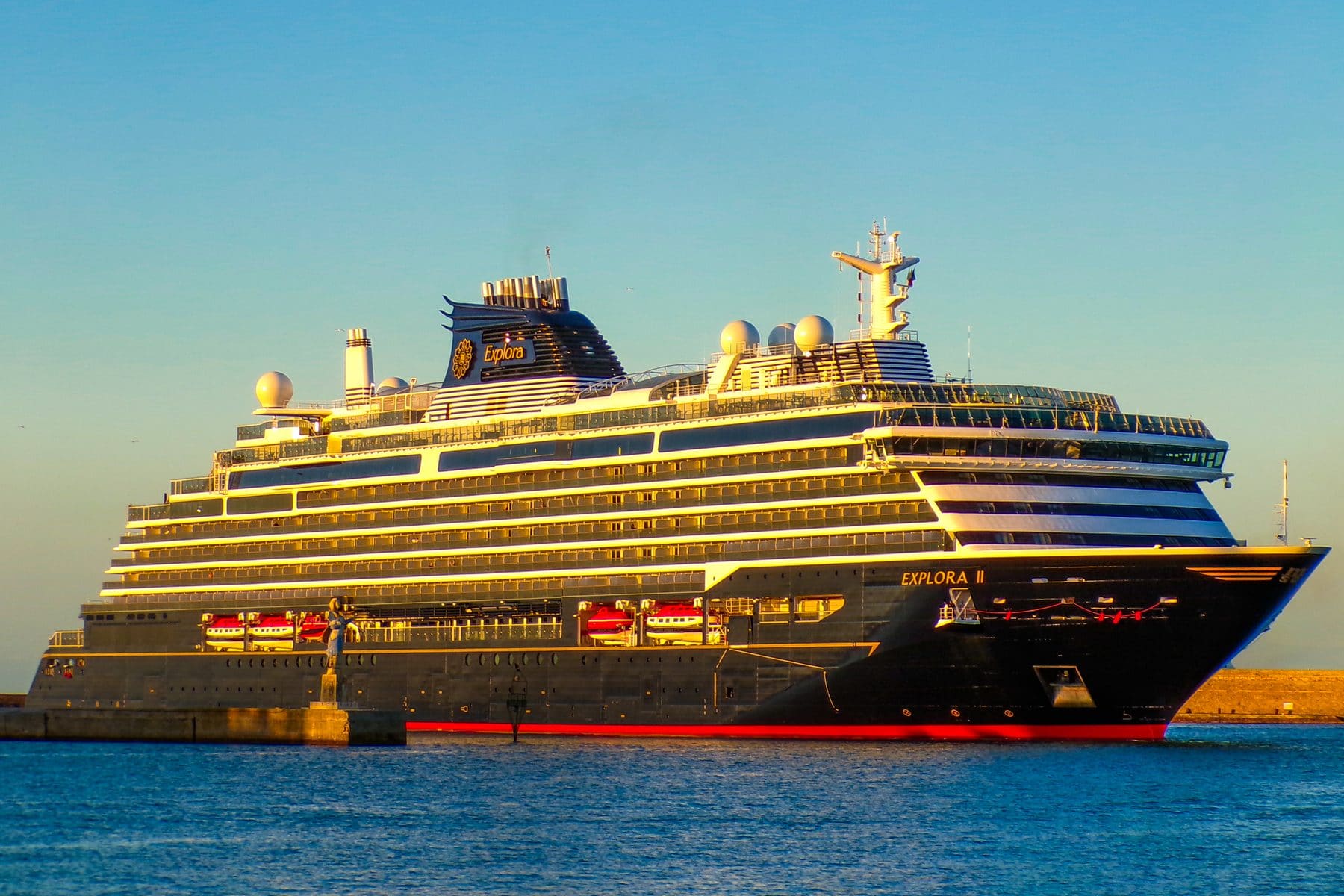
Explora I wins for most families of four
Choose Explora for most families of four, particularly when children need their own room and daily programming. Choose Regent when four mature guests value included touring more than connecting-suite options or a youth club. Explora I and Explora II give parents a defined family structure through connected accommodations and Nautilus Club. Seven Seas Explorer makes more sense for grandparents and older teenagers who prefer organized days ashore, quieter evenings, and a cruise planned around its destination rather than children’s activities.
Compare the total arrangement, not the first fare displayed for one suite. A useful family calculation includes every required room, taxes, gratuities, drinks, dining charges, shore excursions, transfers, and children’s programming. Regent places many of those components inside its fare, while Explora provides the clearer accommodation plan for four related guests. Fares move with the sailing date and suite, so any figure is a guide to the range rather than a quote. Matching cabin count and occupancy matters before comparing totals.
Pick Regent for a family whose youngest member is already comfortable with adult dining and long touring days. Seven Seas Explorer carries 732 guests and uses a service model with roughly one crew member for every 1.3 guests. That combination supports attentive service without creating a children-centered atmosphere. A family expecting supervised entertainment, scheduled sports, or technology sessions should not choose Regent solely because many onboard and shoreside costs are bundled into the cruise fare.
Treat the comparison as intentionally uneven because Explora defines its family arrangements far more specifically. Its rules address connected rooms, children aged three through 17, infant provisions, and adult-only space. Regent’s usable comparison centers on a seven-night Seven Seas Explorer sailing and a Deluxe Veranda Suite, not a complete family policy. Explora therefore earns the broader recommendation. Regent remains the stronger value only when the family will use its included touring and does not need a formal youth structure.
Explora’s connected Ocean Suites give four more privacy
Book Explora I or Explora II when two connected rooms will improve sleep and privacy. The ships provide 82 connected-suite options intended for multigenerational parties. Eligible combinations span Ocean Suites, Ocean Penthouses, and Ocean Residences, giving families choices beyond placing four people in one conventional cabin. Parents can remain close while children gain a separate sleeping area. Grandparents can also close the connecting door, preserving quiet mornings without separating the family across different corridors or decks.
Measure usable space per guest rather than comparing suite names alone. Regent identifies a 361-square-foot Deluxe Veranda Suite, including its balcony, aboard Seven Seas Explorer. Families should not assume the sofa, bathroom, storage, or berth arrangement works for four. Two Regent suites may provide excellent privacy, yet their combined cost must be compared against the exact connected Explora pairing, not one Explora suite.
Choose the Explora category around family roles, not status. An Ocean Suite pairing can suit parents traveling with younger children who need quick nighttime access. An Ocean Penthouse connection may work better when grandparents want a larger shared gathering point. Ocean Residences should be considered when living space matters more than keeping the accommodation budget controlled. The deciding details are door placement, bed configuration, bathroom count, and whether each guest can unpack without converting the main sitting area every evening.
Avoid booking separate nonconnecting rooms for young children merely to lower the displayed total. The saving can disappear if one adult must be assigned to each room, changing the sleeping plan for the entire vacation. Connected Explora accommodations offer a clearer division between shared time and private time. Regent can still work with adjacent suites, but adjacency is not the same as an internal door. The family should price the actual configuration that satisfies its supervision needs and nighttime routine.
Explora I offers nine dining choices and a slower rhythm
Choose Explora when four guests want to eat differently without dividing the family every night. Its journey inclusions cover nine distinct culinary experiences, including in-suite dining. That breadth helps when grandparents prefer a longer dinner while children need an earlier meal. Room service also protects a port-heavy day from becoming a rushed restaurant appointment. The line’s family approach allows children in restaurants, lounges, pools, and bars, leaving Helios Pool & Bar as the clear adult retreat rather than making most public rooms restrictive.
Choose Regent when service consistency matters more than a defined family dining pattern. Alternative dining is included on Seven Seas Explorer, along with bar drinks, wine, and related gratuities. The practical advantage is fewer decisions about which restaurant carries another charge. The atmosphere still suits families who can follow an adult evening rhythm. Small children who need frequent movement, rapid meals, or extensive menu adaptation may find that pattern less forgiving than Explora’s broader family setup and in-suite option.
Expect Explora’s onboard pace to separate and reunite the family throughout the day. Children can spend structured periods elsewhere while adults take a longer lunch or use the forward pool area. Dinner then becomes the shared anchor rather than an obligation to remain together from breakfast onward. This rhythm works well for grandparents paying for several rooms because each generation gains independence. It suits teenagers particularly well, since they can meet peers without losing access to family meals or common public spaces.
Expect Regent’s pace to follow shore plans more closely, especially when included excursions shape the morning. A family may leave together, split into different tours, and return for a quieter dinner. That pattern rewards punctual guests who enjoy organized sightseeing and do not need a busy youth schedule onboard. It is less suitable for a child whose preferred day centers on sports sessions, console games, or a heated pool. Service can be attentive without replacing a children’s club or its peer group.
Nautilus Club suits ages six through 17
Choose Explora confidently for children and teenagers aged six through 17. Nautilus Club opens daily from 9:00 a.m. until midnight, making it useful beyond a short afternoon session. Its equipment includes PlayStation 5, PlayStation VR2, Xbox, Nintendo Switch, iPads, and Oculus Pro. Those options matter during sea days and after long excursions. Teenagers gain a place that feels separate from younger children, while parents and grandparents can preserve adult time without arranging private care independently.
Plan differently for children aged three through five. They may attend selected Nautilus Club sessions only when accompanied by a parent or guardian. That rule makes Explora workable for preschoolers, but it does not provide dependable drop-off care throughout the day. One adult must remain involved during those periods. Families seeking several uninterrupted adult hours should build their schedule around shared activities, naps, and meals instead of treating the club as a nursery or full-day childcare solution.
Avoid Explora for an infant if organized care is essential. Babies aged six through 23 months can receive in-suite toys, while hosts can provide cribs, blankets, linens, and pillows upon request. Smaller bathrobes, slippers, and hangers are available for younger guests. Those provisions reduce packing, but they do not create a staffed infant program. A family traveling with a baby should expect parents or grandparents to handle supervision during meals, shore visits, and adult time.
Protect grandparents’ quiet time by using Helios Pool & Bar on Deck 12. The forward venue is reserved for adults and provides a defined retreat from the family areas. During busy periods, other selected spaces may also become adult-only, while separate places can be assigned to families. Regent is the better choice for adults who want the whole ship to feel consistently mature. Explora better manages mixed generations by giving children real facilities and adults a specific place apart.
Regent includes excursions while Explora bundles daily life
Price Regent first when the family intends to tour in every port. Seven Seas Explorer includes shore excursions, Wi-Fi, gratuities, bar drinks, wine, alternative dining, government fees, and taxes in the comparison supplied for its seven-night model. Those inclusions can narrow an apparent fare gap once four guests begin selecting excursions. The value weakens if children skip organized tours, grandparents prefer independent drivers, or the family spends most port days walking ashore without using the included program.
Price Explora around the onboard day rather than an excursion package. Eligible journeys include nine dining experiences, in-suite dining, and unlimited beverages that cover wines, Champagne, spirits, specialty coffees, tea, and soft drinks. This structure works for families whose spending would otherwise accumulate through drinks and separate dining charges. Explora should not automatically be called cheaper. Its advantage comes from the connected accommodation choices and children’s facilities, while Regent’s financial strength sits more clearly in touring and broad fare coverage.
Read fare conditions closely when comparing promotional inventory. Explora’s October 2026 offer applied only to selected journeys booked in an Ocean Terrace Suite marked OT1 GTY or a Penthouse marked PH GTY. A guarantee category assigns the final suite later, which may conflict with a family’s need for an internal connecting door. The same terms required full payment when reserving and imposed a nonrefundable fare. A lower total has little value when it removes control over location or the required room pairing.
Build one worksheet with four columns: cruise fare, required suites, included spending, and expected extras. Regent’s column should credit only excursions the family would genuinely take. Explora’s column should reflect the exact Ocean Suite, Ocean Penthouse, or Ocean Residence connection required. Airfare, private touring, specialty purchases, and precruise hotels belong in both totals when applicable. This method prevents a heavily bundled fare from appearing wasteful and stops a lower entry fare from hiding the cost of a second room.
Seven Seas Explorer is stronger for excursion-led Alaska
Choose Regent for Alaska when the family wants guided touring to drive the itinerary. Its Alaska program identifies 14 ports and 289 included excursions, creating substantial choice for different mobility levels and interests. Grandparents can select a less demanding outing while parents and older teenagers pursue a longer day. Seven Seas Explorer also offers a smaller-ship context than many mainstream Alaska vessels. The strongest value appears when several family members use included excursions repeatedly rather than arranging private alternatives in every port.
Choose Explora when the destination program must hold a child’s attention through participation. Family experiences can include a day on a local farm or a space-center visit involving an astronaut. A whale-watching outing may include interpretation from a marine biologist. Those examples suit children who engage better with animals, science, and practical activity than extended adult commentary. Explora’s case is strongest when the family experience matters more than counting the greatest number of included tours across a seven-night itinerary.
Match the season to school schedules only after comparing port hours and sea days. For departures from October 2026 onward, the family should judge each sailing by its actual sequence rather than the destination label. A longer call supports separate adult and child activities without rushing everyone back to the ship. Consecutive early departures can strain preschoolers and grandparents. Sea days add value on Explora because Nautilus Club and the heated pool receive more use, while Regent rewards itineraries with frequent excursion opportunities.
Reject either line when its itinerary forces the wrong family pace. Regent is not the natural choice for children who resist organized touring or need daily peer activity. Explora is not the obvious choice when four adults want every port day arranged inside the fare. Families prone to motion discomfort should also examine open-water segments rather than relying on a regional name. The ship can solve space and service concerns, but it cannot change the number of sea days or the timing of port calls.
Regent wins when four guests behave like adults
Choose Regent over Explora when the family behaves like four independent adults. Grandparents traveling with college-age grandchildren may value organized excursions, included drinks, and quieter evenings more than connecting rooms or console games. Seven Seas Explorer then becomes a coherent purchase rather than an expensive substitute for a family ship. The line also suits guests who dislike signing checks for common cruise expenses. Its advantage grows when all four travelers participate in shore excursions and use alternative dining during a seven-night sailing.
Choose Regent when a Deluxe Veranda Suite pair fits the budget and privacy outranks shared living space. Two separate suites give each generation its own bathroom, balcony, and morning routine. The arrangement can be better than one larger residence when adults keep different sleep schedules. It should not be used for children who require direct nighttime supervision unless the assigned rooms connect. Families should treat nearby doors as a convenience, while treating an interior connecting door as a safety and caregiving requirement.
Choose Explora over Regent when the ship must carry part of the parenting workload. Sports sessions, technology tournaments, painting, arts and crafts, and shipwide games give school-age children more than passive screen time. Reserved periods at the Sports Court and one heated pool add physical activity. That program can justify Explora even when Regent’s included touring appears financially attractive. Parents gain usable adult hours, teenagers gain independence, and grandparents are less likely to become the default caregivers throughout each sea day.
Avoid Explora when four adults want a consistently quiet environment without family zoning. Explora I has 461 suites, penthouses, and residences, plus four pools and 12 bars and lounges. Its scale supports choice, but children remain welcome through most shared spaces. Helios provides relief rather than changing the ship’s broader multigenerational character. Regent wins for guests who prefer a more uniformly adult rhythm, particularly when their main priorities are destination access, formal service, and bundled shore plans.
Confirm the exact suite pair before paying
Start the decision with the youngest traveler and the required sleeping plan. Ages six through 17 point toward Explora because independent club access changes the daily schedule. Ages three through five still favor Explora only when a parent accepts accompanied sessions. Four adults can move Regent ahead, especially when excursions anchor the vacation. Write down who sleeps where, who needs supervision, and whether grandparents expect private space. That exercise identifies the correct suite count before fare inclusions complicate the comparison.
Compare the exact rooms next, including category codes and connection type. An Explora Ocean Suite pair, Ocean Penthouse combination, or Ocean Residence arrangement should be priced as the family will occupy it. A Regent Deluxe Veranda Suite should be evaluated by its confirmed berth layout, not its 361-square-foot measurement alone. Ask for deck numbers and mark the internal doors on the deck plan. Noise from elevators, service areas, pools, or late venues matters more when children follow earlier bedtimes.
Compare daily schedules after the room plan survives the budget test. Put every port arrival, departure, excursion, sea day, and planned family meal on one page. A Regent Alaska sailing can be good value when four guests use its touring structure. An Explora itinerary becomes stronger when sea days give the children’s program and shared ship facilities time to matter. Families should also identify one daily period when grandparents are free from childcare and one meal when all generations reconvene.
Confirm the commercial details only after selecting the better family design. Guarantee inventory such as OT1 GTY or PH GTY can undermine a connecting-room plan, while two Regent suites may change the total substantially. Nonrefundable conditions deserve particular care when four calendars and several generations must align. Ask us to confirm current fares, exact occupancy, connecting doors, bed types, suite assignments, age eligibility, club hours, excursion capacity, cancellation terms, and every inclusion before payment.
For the two lines head to head on every point, see the side-by-side comparison.
Questions people ask
Good to know
Questions, answered
Does Explora have enough activities for teenagers?
Yes, for many teenagers. Nautilus Club includes foosball, an Italian-made pool table, and a music system linked to Spotify and Apple Music. A multilingual digital library and board games provide quieter alternatives. The strongest fit is a teenager who wants independence without a packed amusement-ship atmosphere. A teenager expecting water slides, large production venues, or hundreds of same-age guests should choose a different style of ship.
Who supervises children in Explora’s youth club?
Nautilus Club hosts are certified under Cruise Lines International Association youth-activity policies and standards. The club primarily serves ages six through 17. Certification does not alter the accompanied-session rule for children ages three through five. Parents should register promptly after boarding, explain any medical or behavioral needs, and review sign-in and sign-out arrangements before leaving a child for the first scheduled session.
Are there educational activities aboard Explora?
Explora offers environmental sessions developed with the MSC Foundation. Topics include marine conservation, tourism’s effects, community support, ship sustainability, and personal environmental footprints. These sessions add substance for children who enjoy science or conservation. They are not a replacement for schoolwork or a reason to choose a sailing alone. Their value is strongest when paired with a related destination day, such as marine-life viewing.
Can three or four Explora suites share private space?
A group reserving three or four suites can use the Journey Together Gathering arrangement when at least one room is an Ocean Penthouse or Ocean Residence. That structure gives a larger party a private social base without requiring every guest to occupy the highest category. It is most relevant to grandparents funding several households, cousins traveling together, or families that want shared evenings without gathering in a public lounge.
Is Explora suitable for a baby younger than six months?
No. Explora’s family terms set six months as the lower age threshold for infants. Babies from six months through two years can have age-appropriate toys placed in the suite, although Nautilus Club does not provide organized infant activities or facilities. Families near the age cutoff should use the child’s age on the sailing date and review itinerary-specific restrictions before committing to flights or hotels.
Still have a question? Book a free 30 minute call or send us the brief.
Sources
Where to go next
- Cruise lines: Who each line is for, and who it isn't for.
- Compare ships: Our ratings for every line we sell.
- Book a free 30 minute call: Tell us who is traveling; we will shortlist the ships we would consider.







