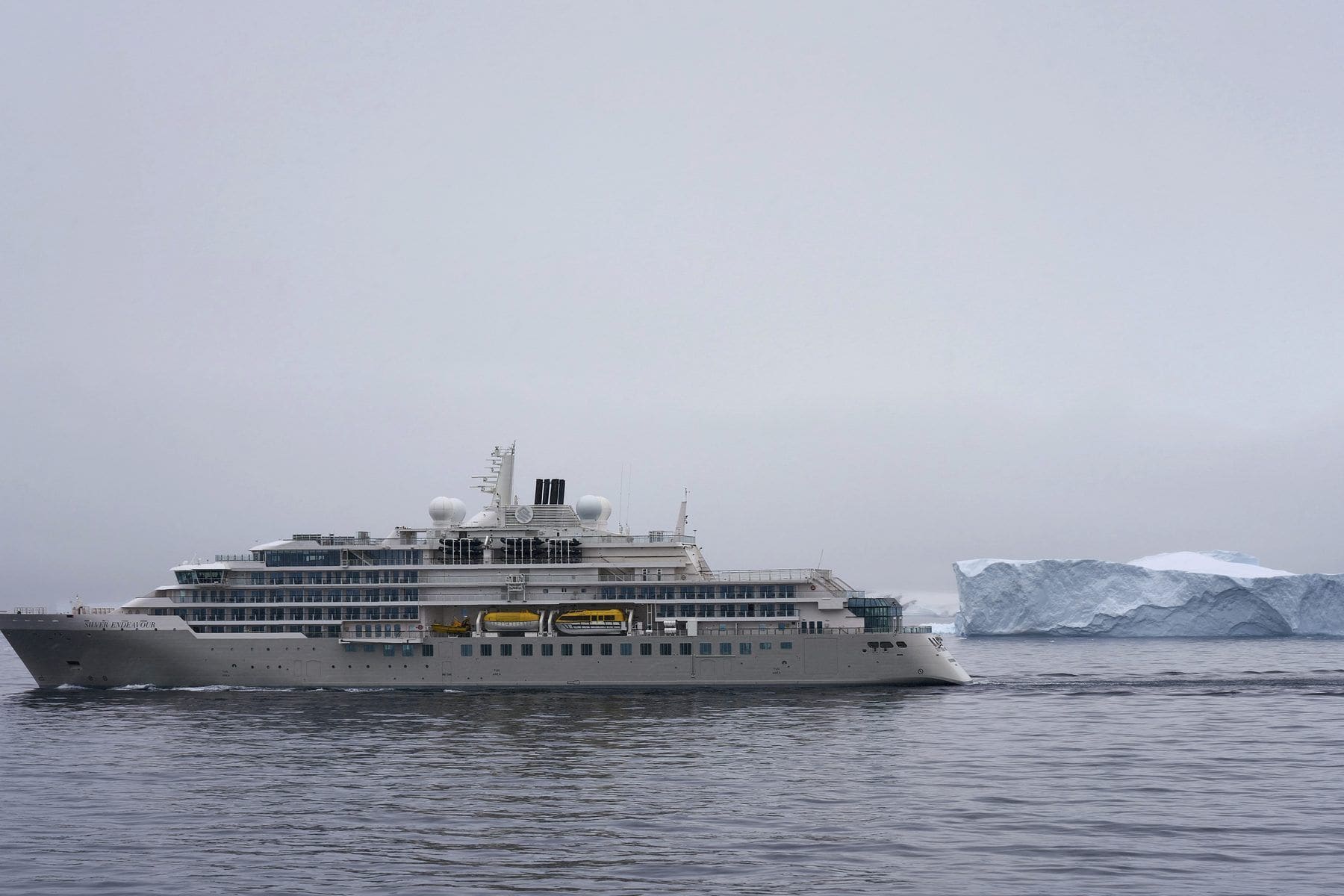
Seabourn for couples, Silver Endeavour for explorers
For most couples, choose Seabourn for flexible dining, stronger evening energy and an easy social rhythm. Choose Silversea instead when a butler, expedition access or greater route variety matters more. The distinction is clearest between a classic 10-day cruise and an active Silver Endeavour voyage. Seabourn makes the easier first choice for two people who value spontaneity. Silversea better rewards couples prepared to organize dinners and spend long days exploring together.
Seabourn works especially well when dinner anchors the evening rather than interrupts it. Every dining venue is included, and guests may generally choose when and with whom they eat. Complimentary entertainment, live music and a visible cruise director can then carry the night forward. That combination suits couples who enjoy meeting other guests without joining a fixed group. The atmosphere remains polished, but Seabourn describes its ships as relaxed and unpretentious rather than ceremonious.
Silversea answers a different couples brief through personal service and destination depth. Every suite receives a butler, while the line operates classic, Grand Voyage and expedition formats. Silver Endeavour can combine two daily landings with an occasional Zodiac ride around icebergs. Couples still have quieter rituals, including cocktails in the Observation Lounge and dinner at La Dame or Il Terrazzino. The days demand more energy, yet the shared experiences can become the main attraction.
Comparisons with Silversea are strongest for Silver Dawn, Silver Endeavour and fleetwide small ship characteristics. Couples seeking a calm classic cruise should start with Seabourn, particularly when dinner plans remain fluid. Couples who would trade that flexibility for Antarctica, the Arctic or more than 900 destination choices should start with Silversea. Neither decision should be made from the line name alone.
Silver Dawn deck 7 meets Seabourn deck 8
Space is effectively a draw in comparable Veranda Suites. A typical Seabourn Veranda Suite on deck 8 felt large and well equipped, including its veranda. A typical Silver Dawn Veranda Suite on deck 7 used a different layout, with a long counter serving as a desk. Silver Dawn was the larger ship, yet that difference did not create noticeably greater crowds or harder movement. Couples can therefore choose by layout rather than assuming the larger vessel feels busier.
Silversea provides the clearer fleetwide service distinction inside the suite. Every suite faces the ocean, most have private verandas, and every category receives butler service. The butler can unpack luggage, arrange in-suite dining and coordinate shore plans. Ships carry fewer than 364 suites, while staffing approaches one crew member per guest. That model suits couples who want practical requests handled privately, especially during a port-intensive cruise with early starts and changing clothing requirements.
Seabourn emphasizes ocean-facing accommodations, with private verandas on most suites. Its ships also keep public spaces intimate, which matters when both partners want quiet corners beyond their room. A veranda on deck 8 gives couples private outdoor space without requiring a top suite. The usual Seabourn advantage is not a larger standard room. It is the balance between a substantial suite, open dining and compact shared spaces that remain easy to revisit throughout the day.
Connecting arrangements require more care than the standard-suite comparison suggests. A couple reserving one Veranda Suite has a straightforward choice, but two couples or a family need exact door locations and occupancy limits. Do not assume a Seabourn deck 8 suite connects because an adjacent number appears available. Do not assume Silver Dawn’s deck 7 layout creates a shared entrance. Large parties should treat confirmed connections, beds and bathroom access as booking requirements rather than preferences.
Seabourn dining stays open; Silver Dawn needs planning
Dining flexibility gives Seabourn its most practical advantage for couples. All venues are complimentary, and the stated rule lets guests dine where, when and with whom they choose. That freedom matters after a late shore day or an unplanned drink with new friends. A couple can change the evening without protecting several reservations. The in-suite bar is stocked to preference, while welcome Champagne, wines, spirits and caviar extend that flexibility beyond the restaurants.
Silver Dawn offers more apparent choice, but choice can require earlier decisions. One comparison counted about 11 dining venues, while several dinner options required reservations far ahead. Kaiseki carried a dinner surcharge on that sailing, while The Grill used hot stones for cooking steaks and seafood tableside. Couples who enjoy building a dining schedule may welcome the variety. Couples who decide at 6 p.m. where to eat may find Seabourn’s open approach much easier.
Service differs most inside the suite and around the daily schedule. Silversea assigns a butler to every category, and a request for an off-menu bowl of chicken soup was handled promptly. Seabourn’s strength was the more visible social leadership during the compared classic cruise. Its cruise director learned names, announced activities and remained present around the ship. That style gives the day more momentum, while Silversea can feel quieter and more self-directed.
Evening pace favors Seabourn when shows and live music matter. Complimentary entertainment is part of its stated inclusion, and the compared sailing delivered energetic singers, dancers and a Tim Rice program. Silver Dawn’s Venetian Lounge had obstructed sightlines from some rows during that experience. Couples who usually retire after dinner may discount this difference. Couples who want dinner, a show and another drink in one flowing evening should place it near the top of their decision.
Silver Dawn first-timers differ from expedition couples
Travelers new to luxury cruising will usually find Seabourn easier to understand. The fare structure covers every restaurant, wines, spirits, gratuities, entertainment and an unlimited-minutes Wi-Fi package. The onboard rhythm also requires fewer dining decisions before departure. A couple moving up from a larger ship gains a Veranda Suite, open dining and smaller public rooms without adopting expedition routines. Seabourn is less suitable when the trip must revolve around a dedicated butler or included outings at every stop.
Experienced independent couples may prefer Silver Dawn’s quieter structure. The ship suits travelers comfortable reserving key dinners and making their own evening plans. Butler service can simplify practical details without creating a busy social schedule. The line’s smaller ships generally carry about 100 to 700 guests, and every suite faces the ocean. Couples who need organized nightly energy may find the pace subdued. Couples who value privacy after a long port day may consider that restraint an advantage.
Active couples should separate Silver Endeavour from a classic Silver Dawn decision. Antarctica days can include two landings and another Zodiac ride among icebergs. Meals at La Dame and Il Terrazzino still provide a recognizable couples experience after demanding time ashore. This format suits partners with similar mobility, cold tolerance and interest in wildlife. It is not our first recommendation when one person wants expedition activity and the other expects long, unstructured days aboard.
Solo travelers should judge social structure more carefully than suite service. Seabourn’s visible cruise director, open dining and live entertainment create natural points for joining others. Silversea’s butler and quieter rhythm can work for a self-contained traveler who values private assistance. A 10-day classic itinerary gives more time to form a routine than a short sailing. Neither line should be selected for a children’s program without first examining the exact ship, sailing and age-specific arrangements.
Seabourn includes caviar; Silver Dawn bundles one outing
Seabourn includes the onboard items most couples use repeatedly. Wines and spirits are complimentary throughout the ship, caviar is available during the voyage, and the in-suite bar follows guest preferences. Dining venues carry no separate charge, while gratuities are neither required nor expected. Entertainment, live music and the standard unlimited-minutes Wi-Fi package also sit within the fare. These inclusions reduce small onboard decisions, particularly during a 10-day sailing with several dinners and sea evenings.
Seabourn shore spending depends on the voyage and activity. Ventures by Seabourn excursions are optional and carry an additional charge on Seabourn Quest, Seabourn Encore and Seabourn Ovation. The wellness program is also identified as optional. Signature events can be included, such as Marina Day, Evening at Ephesus, Shopping with the Chef and Polar Plunge. Their availability varies by itinerary, so couples should value the event attached to their specific sailing rather than the general list.
Silversea’s excursion value needs itinerary-level examination. On the compared Silver Dawn cruise, one included outing was usually available in each port. The experience varied, and optional alternatives remained relevant. The ship also provided practical items such as quality rain jackets, which helped on a northern itinerary. A daily cooking class and an effective guest lecturer added useful daytime content. Couples should compare the included outing itself, not merely count an excursion as present within the fare.
Silversea’s restaurant structure may also create extras. Kaiseki dinner carried an added charge on the compared Silver Dawn sailing, and several venues needed advance reservations. Butler service remained included in every suite, making the standard Veranda Suite more service-rich than its category might imply. The practical trade is clear. Seabourn concentrates value in open dining and broadly included onboard consumption. Silversea can place more value in personal service and selected shore access, with some dining choices treated separately.
Portofino favors small ships; Antarctica changes pace
Silversea is stronger when destination breadth drives the booking. Its ships visit more than 900 destinations through classic cruises, Grand Voyages and expeditions. Mediterranean routes can link Venice, Dubrovnik and Athens, while smaller vessels can enter ports such as Portofino and Kotor. That reach suits couples who select a region first and a ship second. The onboard pace can remain quiet because the day’s center of gravity sits ashore rather than around organized ship activities.
Silversea also gives couples clearly differentiated expedition choices. Silver Endeavour is built for polar operations, while the line sends expedition voyages into the Arctic, Antarctica and Australia’s Kimberley Coast. Zodiac landings can lead to penguin colonies or glacial landscapes. Silver Origin serves the Galapagos, where ship-size limits help protect the islands. These routes fit couples who want shared physical activity and remote scenery, not travelers who expect every day to follow a fixed port-and-restaurant pattern.
Seabourn reaches all seven continents and becomes especially compelling when a signature event matches the route. Evening at Ephesus can add a private-feeling occasion ashore, while Caviar on the Ice and Polar Plunge fit colder regions. Ventures by Seabourn can use ship-carried Zodiacs for close views of whales and glaciers on selected ships. These options make Seabourn more than a classic warm-water choice, although optional Ventures excursions may add charges to the trip.
Season choice should follow the desired daily pace rather than a general line preference. Polar regions require expedition days, layers and Zodiac transfers. Mediterranean ports such as Venice, Dubrovnik and Athens support longer walks, restaurant time and conventional evenings aboard. Norwegian fjords bring narrow waterways and smaller coastal calls, while Portofino and Kotor reward ships that can approach compact harbors. Couples traveling after October 2026 should first decide how much of each day belongs ashore.
Silver Nova and Silver Endeavour can reverse the verdict
Silversea wins when the suite must include a butler. That service applies in every category, rather than only the largest accommodations. The near one-to-one crew ratio supports detailed requests, from unpacking to coordinating shore plans. Couples managing formal clothing, expedition gear or frequent restaurant changes may use that help every day. Seabourn remains attentive, but its stronger case rests on open dining and social flow. Personal in-suite administration points the decision toward Silversea.
Silver Nova or Silver Ray wins when contemporary ship design matters more than intimate familiarity. Both Nova Class vessels use expansive decks, broad views and spacious suites. Their layout offers a different proposition from the older, smaller Seabourn ships in the comparison. A couple who spends sea days moving among outdoor spaces may prefer that design. A couple who wants familiar faces, compact circulation and a highly visible cruise director may still feel more settled on Seabourn.
Silver Endeavour wins for couples who want romance expressed through activity. Two Antarctica landings in one day, an added Zodiac ride and dinner at La Dame form a very different rhythm from a classic cruise. The experience can deepen a shared interest in wildlife and remote places. It can also expose differences in mobility or appetite for cold-weather activity. Couples seeking long lunches, open afternoons and predictable evenings should not choose an expedition simply because the ship is refined.
Seabourn’s expedition ships can overturn that conclusion when their onboard structure fits better. Seabourn Venture and Seabourn Pursuit have PC6 ice-strengthened hulls, nearly 30,000 square feet of open deck and 23-person expedition teams. Shore experiences can include Zodiac cruises, hikes, nature walks and snorkeling. Seabourn therefore remains credible for couples who want expedition activity without surrendering its included drinks, caviar and dining approach. The route and operating ship decide this contest more reliably than either brand name.
Confirm the Veranda Suite before either line
Start with the day you want, then select the line. Choose Seabourn when an open dinner, live performance and social drink form the preferred evening. Choose Silversea when a butler, reserved restaurant and destination briefing better match your routine. Separate a Silver Dawn classic cruise from a Silver Endeavour expedition before comparing fares or suites. A deck 7 Veranda Suite and two daily Antarctica landings solve entirely different vacation needs for the same couple.
Match the suite to private habits rather than status. Compare the deck 8 Seabourn Veranda Suite with Silver Dawn’s deck 7 counterpart for desk space, veranda use and walking distance. Decide whether unpacking assistance and in-suite dining coordination will change the trip. Couples who need separate sleeping zones, adjoining rooms or space for another adult should make those requirements nonnegotiable. A standard veranda comparison does not answer occupancy, connecting-door or second-bathroom questions.
Build an inclusion ledger around actual plans. On Seabourn, count dining venues, drinks, gratuities, Wi-Fi and relevant signature events as included. Place Ventures by Seabourn and optional wellness programs in the extra column. On Silver Dawn, identify the specific included outing at each port, then mark preferred alternatives and charged restaurants. This exercise matters most on a 10-day itinerary, where repeated dining choices and several shore days can alter how each package feels.
Use the operating ship and exact sailing to settle the final details. Silver Nova, Silver Endeavour, Seabourn Quest and Seabourn Pursuit provide materially different layouts and daily programs. Port sequence also changes restaurant demand, excursion timing and the value of a veranda. Confirm the suite’s connection, bed setup, occupancy, restaurant reservation rules, included excursions, optional charges and age arrangements with a luxury cruise specialist before committing.
For the two lines head to head on every point, see the side-by-side comparison.
Questions people ask
Good to know
Questions, answered
Does Silversea have better service than Seabourn?
Silversea has the clearer suite-service advantage because every category receives a butler. Seabourn emphasizes personalized service without making that same fleetwide butler promise. Service style matters more than a simple ranking. Choose Silversea for private help with luggage, meals and shore logistics. Choose Seabourn when visible social leadership and flexible dining contribute more to your daily experience.
Which line is better for an anniversary cruise?
Seabourn suits an anniversary centered on unplanned dinners, included Champagne and relaxed evenings. Silversea suits a milestone built around a shared expedition or quiet suite rituals. A Silver Endeavour couple can dine at Il Terrazzino after an active landing day. Silversea expedition routes also include Zanzibar, off Tanzania, giving destination-led couples a very different celebration from a conventional sea day.
Can couples dine alone on Seabourn and Silversea?
Yes, both lines accommodate meals for two, but the planning differs. Seabourn’s stated policy allows guests to choose where, when and with whom they dine. Silversea offers small restaurants, regional menus and sommelier guidance, though popular venues may require reservations. Couples who want the same private table nightly should address that preference early, especially on port-heavy sailings with concentrated dinner times.
Is an expedition cruise too active for a honeymoon?
It can be, if both partners do not want the same physical pace. Silversea expedition examples include a Zodiac outing in Svalbard and a hike near Alaska’s Davidson Glacier. Those days favor couples who connect through shared activity. A honeymoon centered on late mornings and unplanned afternoons is usually better placed on a classic Seabourn or Silversea itinerary rather than a landing-led expedition.
Which Silversea ship is designed for the Galapagos?
Silver Origin is the destination-specific Silversea expedition ship associated with the Galapagos. The archipelago limits ship size to protect its sensitive environment, making vessel scale central to the experience. Couples comparing it with Silver Dawn should expect different days, equipment and shore priorities. Silver Dawn represents the classic side of Silversea, while Silver Origin is organized around exploration of one distinct region.
Still have a question? Book a free 30 minute call or send us the brief.
Sources
Where to go next
- Cruise lines: Who each line is for, and who it isn't for.
- Compare ships: Our ratings for every line we sell.
- Book a free 30 minute call: Tell us who is traveling; we will shortlist the ships we would consider.







