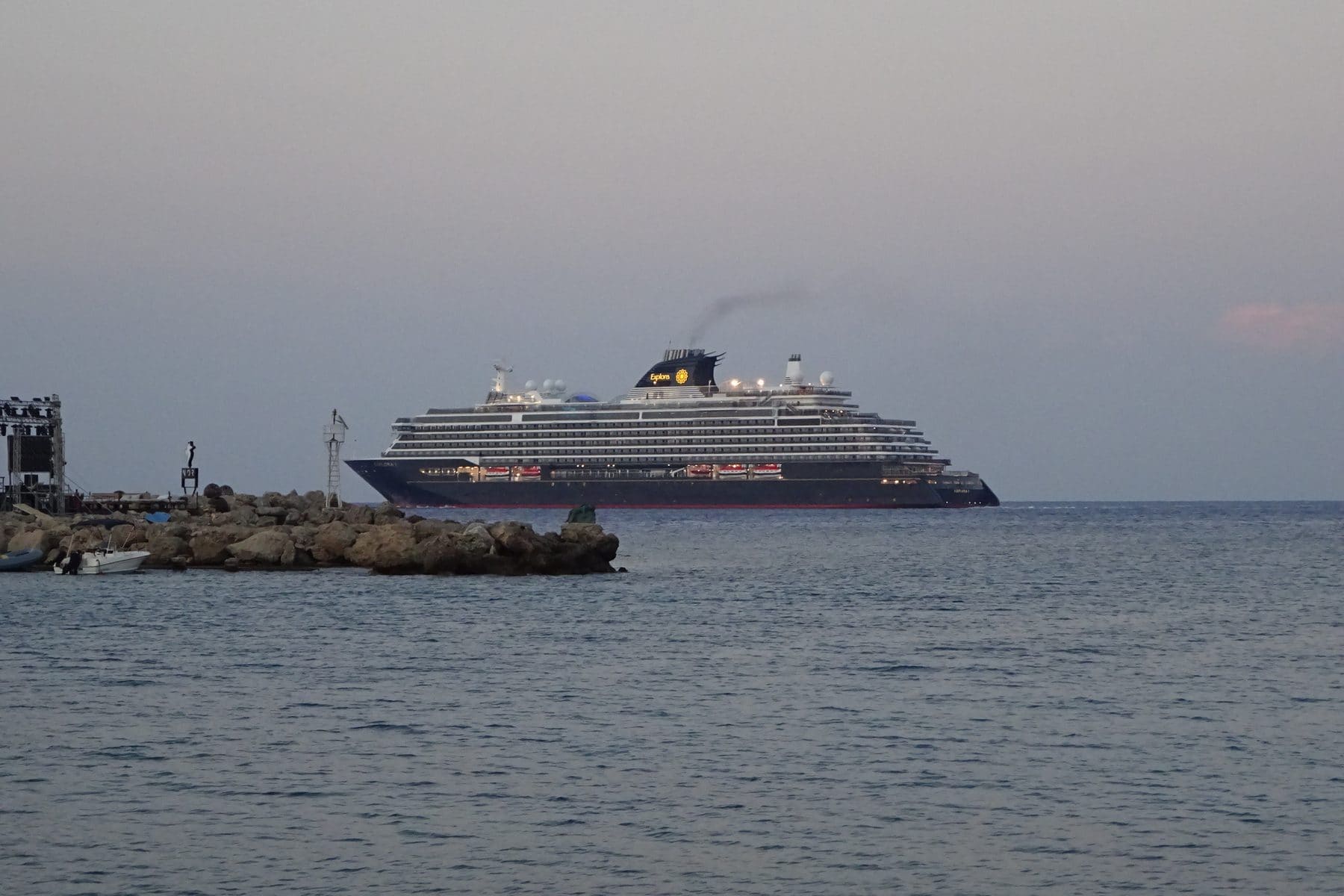
Explora relaxes; Seabourn Venture explores farther
Choose Explora for a relaxed couples’ cruise with warm-weather ports and a familiar ocean schedule. Choose Seabourn for expedition-led days where wildlife, landings and changing conditions set the pace. Explora I and Explora III suit pairs seeking the Caribbean during the festive period. Seabourn Venture and Seabourn Pursuit fit couples who would trade predictable port calls for Zodiac outings, guided walks and remote coastlines. Neither answer is universal, because these ships deliver fundamentally different days ashore.
Travelers new to luxury cruising will usually find Explora’s proposition easier to understand. Explora II links Lisbon, Barcelona, Cannes and Civitavecchia during the festive period, combining recognizable cities with comfortable sea days. That format suits couples who want independent lunches ashore, evenings together and fewer operational surprises. It is less suitable for travelers whose central goal is reaching ice, remote islands or wildlife colonies. Those experiences require a ship, staff and daily rhythm designed around expedition operations.
Active couples should start with Seabourn when Antarctica, the Arctic or the Kimberley drives the decision. Seabourn Pursuit handles the Kimberley, South Pacific and Antarctic regions, while Seabourn Venture serves Arctic and Northwest Passage routes. Both also operate around Antarctica and the Falkland Islands. These voyages suit pairs comfortable with wet landings, changing plans and early starts. They are a poor match for anyone who treats every published stop as fixed or dislikes small-boat transfers.
The practical verdict is route-led rather than brand-led. Explora wins for couples seeking a festive Caribbean or Mediterranean vacation from mid-December 2026 into early January 2027. Seabourn wins when the shared purpose is kayaking, wildlife observation or guided exploration with an expedition team. Couples prioritizing exact restaurant arrangements, connecting accommodations or children’s policies need a more detailed sailing review. Those variables should not be inferred from either line’s broad destination descriptions.
Seabourn Venture trades suite detail for deck space
Seabourn Venture gives couples a small expedition platform with capacity for 264 guests. Its stated outdoor provision approaches 30,000 square feet, which matters during glacier viewing and wildlife searches. Every suite is ocean-facing, keeping water or landscape visible without visiting a public lounge. Exact suite-category differences require closer review before selecting a deck. Couples should compare veranda exposure, walking distance and motion sensitivity rather than assuming every oceanfront suite delivers the same practical experience.
Explora’s festive routes should be chosen by destination before selecting accommodations. Explora I and Explora III cover Caribbean and Central American calls, while Explora II operates the Mediterranean program. Couples should first decide whether they want warm island days or cooler European ports. The accommodation decision then turns on private outdoor space, location and usable interior room. A larger suite adds little value when both travelers expect long days ashore and rarely entertain privately.
Connecting accommodations matter only when another household joins the booking. Couples traveling alone usually gain more from the right deck and location than from a connecting door. Parents, grandparents or friends booking adjacent space should establish the precise connection arrangement before committing. Do not assume two neighboring suites connect internally on Explora I or Seabourn Venture. A workable group plan must address occupancy, privacy and access rather than relying on a generic suite label.
Space per guest also includes public areas used during shared viewing. Seabourn’s large open decks support expedition days when passengers gather outside for ice, whales or birdlife. Explora’s warm-water festive program distributes attention among pools, ports and open-water celebrations instead. Couples who value private retreat should prioritize suite layout. Those expecting hours of landscape observation should examine sightlines, sheltered deck areas and the route from their suite to observation spaces.
Zodiac mornings set Seabourn’s dining pace
Seabourn’s expedition schedule makes daily operations more important than restaurant variety. A 23-member expedition team leads the program across Seabourn Venture and Seabourn Pursuit. Zodiac departures, guided walks and wildlife opportunities can shape breakfast timing and the evening routine. Couples should expect active days followed by quieter meals together. Travelers who prefer late mornings and fixed personal plans may find this rhythm intrusive, particularly where conditions determine when a landing can operate.
Explora offers the gentler pace for couples who want meals to frame their day. The festive program on Explora I and Explora III includes Christmas Day at sea, removing the need to host or manage a household celebration. Explora II places European ports around the vacation period, allowing lunch ashore and an evening aboard. This pattern generally gives couples more control over their time than a Zodiac-led day, although specific restaurant hours still depend on the sailing.
Dining flexibility should not decide the booking without sailing-level details. Couples should compare reservation rules, opening times, included venues and late-return options for their exact ship. This is especially important after a full-day expedition activity or a long European port call. The better choice is the ship whose dining schedule fits the expected shore pace, not the one with the longer venue list.
Service feels different because the operational priorities differ. Seabourn’s expedition staff adds specialist guidance, briefings and activity leadership beyond ordinary hotel service. Explora’s festive voyages center on unstructured time, conventional ports and onboard celebrations. Couples wanting detailed interpretation of ice, wildlife or local communities will value Seabourn’s model. Couples seeking privacy and fewer organized commitments will probably feel more comfortable aboard Explora II between Málaga, Ibiza, Barcelona and the French Riviera.
Explora I suits couples new to cruising who prefer a relaxed pace
Explora is the safer first choice for couples moving up from a conventional ocean cruise. San Juan, Tortola and Jost Van Dyke offer recognizable port days without expedition procedures. Sea time allows each partner to follow a separate routine before meeting for dinner. This format also suits couples whose activity levels differ. One traveler can remain aboard while the other goes ashore, without missing a central landing shared by the whole expedition group.
Seabourn suits couples whose strongest memories come from doing something together. Kayaking through sea ice, walking near wildlife and riding a Zodiac create a shared structure for each day. Seabourn Pursuit in the Kimberley adds river gorges, rock-art locations and traditional-owner encounters. The line is less suitable for partners who disagree sharply about physical activity. A traveler repeatedly staying aboard may miss much of the purpose behind an expedition ship and its remote routing.
Solo travelers may prefer Seabourn’s organized expedition setting because daily activities create natural contact. Guided hikes and Zodiac groups provide shared subjects without requiring formal social events. Explora may better suit independent solo guests who enjoy managing their own port days and personal routines. Couples should not choose either line mainly for meeting others. The meaningful distinction is whether conversation grows from expedition activities or from a looser resort-style day around the ship.
Families joining a couple require a separate policy and accommodation assessment. The available comparison does not support choosing either line by children’s clubs, supervised hours or age bands. Grandparents bringing younger relatives should focus on connecting-room access, permitted occupancy and the physical demands of shore operations. A couples’ verdict should not be stretched into a multigenerational recommendation without reviewing the exact departure.
Seabourn includes landings but charges for options
Seabourn describes its 2026 expedition program as all-inclusive, yet some experiences remain extra. Optional excursions may be reserved before departure or aboard for an added charge. Couples should therefore separate core expedition operations from optional activities when comparing value. Zodiac cruises, included landings and guided walks can form the central day. Helicopter sightseeing, scenic flights or other specialized additions should never be assumed merely because the voyage carries an expedition label.
The included Seabourn program can be substantial in remote regions. South Georgia and the Falkland Islands combine Zodiac operations, guided island walks and wildlife landings. Arctic routes add geothermal areas and visits connected with Viking settlement history. The Northwest Passage program can include tundra walking and visits to Inuit communities. These components matter more than small hotel extras for couples choosing the voyage primarily for access. They also create a busier schedule than many conventional ocean cruises.
Explora requires a sailing-specific inclusion comparison before judging total value. The festive program identifies ships, regions and ports, but couples still need an itemized account of beverages, gratuities, restaurants and shore arrangements. Avoid comparing a headline fare with Seabourn’s broad all-inclusive language. Compare the final vacation structure instead. A Mediterranean couple planning private days in Lisbon and Cannes may need fewer bundled activities than expedition travelers relying on the ship for remote access.
Flights and shore logistics deserve separate attention on either line. A Caribbean departure aboard Explora I may involve familiar airports and independent transfers. An Antarctic or Arctic trip aboard Seabourn Venture can require more complex positioning and equipment planning. Couples should distinguish cruise inclusions from the full trip surrounding the sailing. Hotel nights, internal flights, transfers and optional activities can change the practical comparison even when onboard services appear broadly similar.
Explora II owns winter Mediterranean city calls
Explora is stronger for couples seeking a festive city-and-coast route after October 2026. Explora II sails between Lisbon, Barcelona and Civitavecchia during the mid-December 2026 to early January 2027 period. Calls can include Gibraltar, Málaga, Ibiza, Palma, Palamós, Genoa, Florence and Cannes. This works for travelers who value architecture, restaurants ashore and independent walking. Winter also reduces the summer emphasis, although couples should still plan for shorter daylight and variable conditions.
Explora I and Explora III offer the warmer alternative across the Caribbean and Central America. Named calls include San Juan, Tortola, Jost Van Dyke, Ocho Rios, St. Barthélemy, Anguilla and Puerto Plata. Couples can choose a vacation voyage without turning the trip into an expedition. The pace favors beaches, island visits and time aboard. It is less suitable for travelers whose interest lies in polar wildlife, guided landings or destinations inaccessible to conventional port operations.
Seabourn is stronger where the ship provides access rather than simple transportation. Seabourn Venture serves Arctic expeditions, the Northwest Passage and Antarctica. Seabourn Pursuit reaches the Kimberley, South Pacific and Antarctic regions. Both operate around South Georgia and the Falkland Islands. Couples may encounter penguins, seals or whales, depending on region and conditions. Published expedition routes can change, so travelers must accept that the day’s best feasible activity may replace a named stop.
Seabourn also offers a middle path through ocean-style sailings on Seabourn Venture. These voyages visit Mediterranean yacht harbors and ports such as Seville, St. Malo and Dunkirk without expedition programming. They suit couples attracted to Venture’s 264-guest scale but uninterested in Zodiac landings. Explora remains stronger for the defined festive Mediterranean sequence. Seabourn’s ocean format becomes attractive when smaller guest capacity and less expedition structure matter more than vacation-specific routing.
Seabourn Pursuit wins beyond Explora’s warm ports
Seabourn wins when remoteness is the couple’s first requirement. Seabourn Pursuit can pair South Pacific communities with snorkeling, kayaking and Zodiac exploration. Its Kimberley program adds river cruising and ancient rock-art sites. Explora’s Caribbean vacation routes cannot replace that depth of guided access. Couples should accept the trade: Seabourn’s stronger destination program brings more briefings, physical activity and operational uncertainty. Explora offers greater freedom, but less structured interpretation of remote places.
Explora wins when one partner wants activity and the other wants rest. An Explora III Caribbean day can support separate plans without weakening the whole vacation. Expedition voyages work best when both travelers share enthusiasm for the main operations. Missing a Zodiac landing in Antarctica is different from skipping a beach call in Guadeloupe. Couples with unequal mobility or sharply different interests should favor Explora unless Seabourn’s exact itinerary offers enough rewarding shipboard time.
Seabourn’s ocean-style Venture sailings win for couples wanting small scale without expedition intensity. A route involving Spanish and French ports can deliver a conventional cruise aboard a purpose-built expedition ship. That combination may appeal to travelers who like open decks and a 264-guest capacity. Explora II wins when the festive calendar itself matters, especially around New Year near Cannes. The right answer changes when ship atmosphere outranks the destination program.
Explora also wins for couples uncomfortable with itinerary flexibility. Expedition plans may be described as experiences rather than fixed sequences, reflecting ice, wildlife and local conditions. That flexibility is essential around the Northwest Passage or Antarctica. It frustrates travelers who organize the vacation around one landing or photograph. A Lisbon-to-Barcelona or Barcelona-to-Civitavecchia pattern gives planners a more familiar framework, although ordinary port schedules can still change during operations.
Match Explora II or Seabourn to your day
Decide by describing the preferred day before comparing ships. Choose Explora II when that day begins slowly, includes an independent city walk and ends with an unhurried dinner together. Choose Seabourn Venture when it begins with a briefing, continues by Zodiac and depends on wildlife or conditions. This method prevents a suite photograph or broad inclusion label from controlling the decision. The daily pattern will affect both travelers for the entire voyage.
Test the choice against each partner’s least favorite feature. Explora’s Caribbean program may feel too conventional for someone seeking remote access and guided interpretation. Seabourn’s Antarctic format may feel too organized for someone wanting privacy and late mornings. A strong booking works for the less enthusiastic partner, not only the person selecting the destination. Couples should discuss physical effort, small-boat comfort, weather tolerance and willingness to accept changed plans before selecting a region.
Compare the exact sailing rather than treating either fleet as uniform. Explora I in the Caribbean creates a different vacation from Explora II between Barcelona and Rome. Seabourn Pursuit in the Kimberley differs from Seabourn Venture on a Mediterranean ocean-style voyage. Ship, operating style and region must align. A line-level preference cannot settle whether a December 2026 city route or a remote expedition better fits the couple’s available time and interests.
Ask us to confirm the exact suite layout, connecting access, occupancy, restaurant rules, included excursions, optional charges, activity requirements and current itinerary before booking.
Questions people ask
Good to know
Questions, answered
Can couples see polar bears on a Seabourn expedition?
Polar bears are among the wildlife associated with Seabourn’s Northwest Passage program, alongside walruses, musk oxen and gyrfalcons. A sighting should never control the booking decision because wildlife moves freely. Couples should choose the route for the wider Arctic experience, including tundra walks, Zodiac travel in ice and community visits, rather than expecting one specific animal encounter.
Does Seabourn sail to Easter Island and West Papua?
Seabourn Pursuit’s South Pacific expedition program includes destinations such as Easter Island in Chile and Agats in West Papua, Indonesia. Other named calls include Pentecost in Vanuatu and Kitava in Papua New Guinea’s Trobriand Islands. These routes suit couples interested in cultural exchange, snorkeling and kayaking more than conventional shopping or restaurant-focused port days.
How extensive is Seabourn’s expedition program?
The 2026 deployment listed 49 departures across 28 distinct sailings, reaching 161 ports in 35 countries. Seabourn Pursuit was assigned 71 destinations across more than 14 countries. Seabourn Venture covered 107 destinations in 23 countries through both expedition and traditional ocean formats. Those totals show variety, but the operating style and individual route remain more useful booking measures.
Which Explora ship visits Cruz Bay and Samaná?
Explora’s festive Caribbean collection uses Explora I and Explora III, with regional calls including Cruz Bay, Samaná and Antigua. The pairing of a specific ship with each port depends on the selected departure. Couples should compare the full sequence rather than choosing for one island, since sea days and neighboring calls determine how relaxed or port-intensive the vacation feels.
Still have a question? Book a free 30 minute call or send us the brief.
Sources
Where to go next
- Cruise lines: Who each line is for, and who it isn't for.
- Compare ships: Our ratings for every line we sell.
- Book a free 30 minute call: Tell us who is traveling; we will shortlist the ships we would consider.







