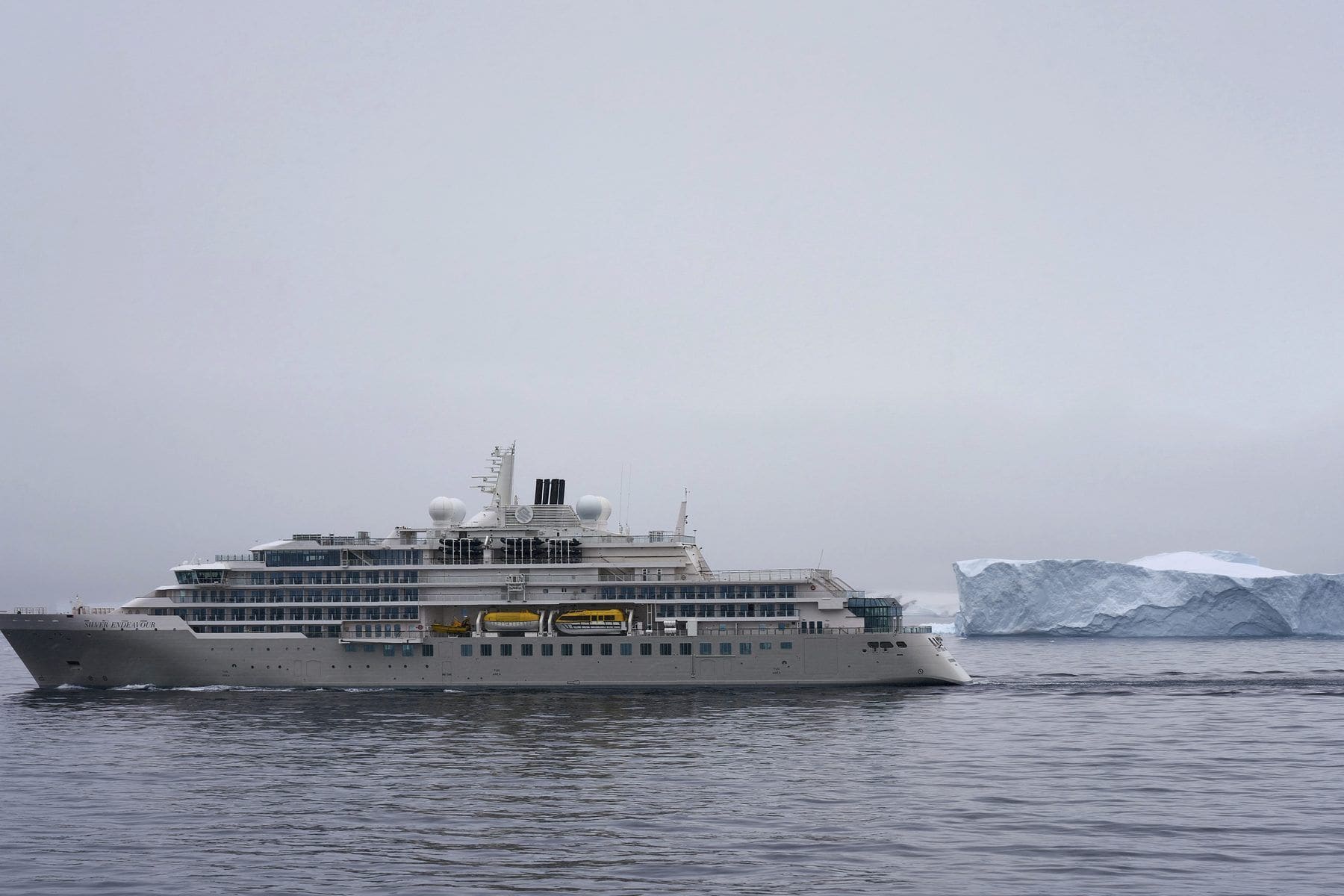
Silversea Bridge saves time; Ponant covers more
Silversea Antarctica Bridge is our choice for couples and first time polar travelers with limited vacation time. Ponant is stronger for travelers who want a longer voyage shaped by days at sea and several regions. The Silversea program flies guests to Antarctica for a six-day expedition, avoiding the Drake Passage. Ponant offers much longer sailings, including 17-night and 18-night Great Austral Loop departures. The choice is therefore speed and easier access against geographic range and a fuller maritime expedition.
Families with tight school schedules should start with Silver Endeavour and the Bridge program. The private charter structure removes several sea days from a standard Antarctic journey. That advantage matters when grandparents want Antarctica without committing to almost three weeks aboard Le Boréal or Le Lyrial. Ponant becomes more persuasive when the family values the passage itself. Its longer schedule allows the ship, weather and wildlife to set a slower rhythm rather than compressing the experience around flights.
Couples seeking a focused Antarctic Peninsula visit should favor Silversea’s six-day format. The program links charter flights, accommodations and expedition travel through Puerto Williams, reducing the number of separate arrangements. Ponant suits couples who regard the Falkland Islands or South Georgia as essential rather than optional extensions. Those destinations require more days and a willingness to accept a voyage governed by distance, sea conditions and expedition operations. Neither format suits travelers expecting fixed daily sightseeing times.
Silversea gives the firmer planning picture for a short fly-in expedition, while Ponant supplies broader choices across the southern regions. Ponant identifies Le Boréal, Le Lyrial and the icebreaker Le Commandant Charcot. Choose the first for controlled trip length. Choose the second when ship time, open water and a wider map are central parts of the vacation.
Silver Endeavour offers fewer suites than Silver Cloud
Silver Endeavour is the more intimate Silversea choice by suite count. She carries 220 guests in 110 suites, compared with Silver Cloud’s 254 guests in 127 suites. Those totals produce the same basic two guests per suite planning ratio, although individual occupancy can vary. Space per guest cannot be judged from suite count alone because category dimensions differ. Couples should compare the exact floor plan, storage, bathroom and bed configuration rather than treating the lower guest count as proof of a larger room.
Silversea describes the Bridge accommodations broadly as ocean-view suites, so category selection needs to follow the chosen Silver Endeavour departure. A window view and a private veranda are not interchangeable in Antarctica. The veranda matters for quick wildlife sightings, while internal floor area matters more during long dressing and drying routines. Travelers comparing this program with Ponant should place each named cabin or suite floor plan beside the Silversea option.
Connecting accommodations deserve special attention for three generations. Neither the Bridge framework nor Ponant’s Antarctica destination information creates a universal connecting-suite promise across Silver Endeavour, Le Boréal and Le Lyrial. Families should therefore plan around a specific deck plan, not a general line preference. Adjacent rooms can work for grandparents and teenagers, but they do not provide an internal door. A grandparent traveling alone may also face different occupancy conditions from two adults sharing the same category.
Ship capacity affects expedition flow as much as private space. Ponant states that its Antarctica departures carry no more than 200 guests, while Silver Endeavour’s listed capacity is 220. That difference can influence Zodiac rotations and landing groups, although daily operations still depend on site limits and conditions. Le Boréal and Le Lyrial should appeal to travelers prioritizing a lower stated Antarctic head count. Silver Endeavour remains preferable when the fly-in schedule matters more than a twenty-guest capacity difference.
Four Silver Endeavour restaurants support a faster pace
Silver Endeavour gives short-stay travelers four dining choices during the Antarctic expedition. Silver Cloud also has four restaurants, which is useful on a voyage where weather can change meal timing. Multiple venues reduce dependence on one fixed dining room, but they do not remove expedition priorities. A late Zodiac return may still shape the evening. Silversea suits couples who value choice within a compact six-day program and prefer dining variety without turning each meal into a scheduled event.
Service on the Bridge program begins before embarkation rather than at the gangway. Silversea connects private charters, hotel accommodations and the expedition ship within one operating structure. That continuity is valuable after long flights from the United States, especially when heavy polar clothing and checked luggage complicate transfers. Ponant’s longer voyages place more of the trip’s rhythm aboard Le Boréal or Le Lyrial. Travelers settle into the ship instead of treating it mainly as the base for a compressed visit.
Expedition pace overrides restaurant preference on both lines. Silversea uses Zodiacs almost every day, and some locations can only be reached by these small boats. Naturalist-led outings may begin early or move when wind and ice permit. Ponant’s 17-night and 18-night programs create more sea days, but longer duration does not mean a fixed routine. Travelers who dislike changing landing times should avoid both formats. Antarctica rewards passengers who can eat, dress and depart when the expedition team calls.
Formality should be treated as a practical packing question, not the deciding distinction. Expedition days require weather layers and fast changes between the mudroom, suite and dining room. Silversea’s destination-influenced menus add variety, while Ponant’s extended ship time makes evening comfort more consequential across two full weeks. Neither choice should be made around formalwear alone. Select the line for route and duration, then build a small evening wardrobe that works repeatedly after Zodiac operations.
Silver Endeavour suits couples more than young children
Couples and capable grandparents are the clearest fit for Silversea Antarctica Bridge. The six-day expedition limits time away while removing a 10 to 12 days Drake-crossing structure. It also reduces exposure to consecutive open-ocean days, although flights remain weather dependent. The program does not suit anyone who views the crossing as part of earning the destination. Ponant better serves those travelers because its longer voyages preserve the gradual approach, shipboard anticipation and return through southern waters.
Families should judge readiness by mobility and attention span, not the child’s interest in penguins. Daily Zodiac use demands balance, patience and the ability to follow instructions in cold conditions. A six-day Silver Endeavour trip can fit an older teenager who enjoys wildlife and photography. A 17-night Le Lyrial voyage asks much more during sea days and changing weather. Young children needing supervised clubs, predictable meals or frequent indoor entertainment should not be the reason for choosing either expedition.
Teenagers may prefer Ponant when geography is the educational goal. The longer Great Austral Loop can connect the Antarctic Peninsula with South Georgia and the Falkland Islands, creating a broader study of wildlife and human history. Silversea is usually the better fit for a teenager facing a narrow school break. Its fly-in structure reaches the continent faster. The deciding test is simple: sustained interest in landings, lectures and observation matters more than enthusiasm for one anticipated penguin encounter.
Grandparents paying for three generations should protect private time as carefully as route choice. Separate suites on Silver Endeavour can provide quiet after cold landings, while adjacent Ponant accommodations may suit independent adult children. Mobility limits require closer scrutiny because wet Zodiac entry, uneven snow and steep steps can affect participation. A traveler who cannot manage assisted small-boat operations may spend more time aboard. Neither line suits a group expecting every generation to complete every landing together.
Silversea includes charters, transfers and shore outings
Silversea Antarctica Bridge has the clearer bundled structure for essential trip movements. Transfers, charter flights and shore excursions are included with the program, along with hotel accommodations. That arrangement removes several major components from the traveler’s separate planning list. It is particularly useful for first time expedition guests connecting through South America. The inclusion does not make every personal expense part of the trip. Independent meals, equipment needs and pre-expedition travel still require careful review against the final booking documents.
The Cormorant at 55 South anchors Silversea’s Puerto Williams arrangement before the expedition. Its location changes the Bridge flow from the earlier Punta Arenas model described for 2026. Travelers move through Puerto Williams before flying toward Antarctica rather than beginning with a Drake crossing. The hotel component carries practical value because a protected overnight separates international travel from expedition operations. It also creates a controlled point for briefings, luggage handling and the next stage of the charter journey.
Ponant labels selected Great Austral Loop departures as package included, but the label should not drive the decision by itself. Travelers need the exact package components attached to their Le Boréal or Le Lyrial departure. A longer voyage can shift the balance toward meals and shipboard life, while air arrangements and South American hotels may follow different terms. Compare transportation, before sailing nights, expedition outings and required gear on one worksheet. A broad package name is not an itemized inclusion list.
Personal spending patterns differ sharply between the two formats. Silversea concentrates the journey into six days and links the charter and hotel sequence. Ponant’s 17-night or 18-night schedule creates more evenings aboard and more potential before sailing planning around Ushuaia or Buenos Aires. Travelers should budget time, not merely money. Extra vacation days, overnight connections and recovery after the return flight can matter more than small onboard differences. A longer included package still carries a larger calendar commitment.
Le Lyrial reaches beyond the Antarctic Peninsula
Ponant is stronger when the itinerary must include several southern regions. Its Antarctica program spans the Falkland Islands, South Georgia, the South Orkney Islands, the Antarctic Peninsula and routes crossing the Antarctic Circle. Le Lyrial’s Great Austral Loop sails round trip from Ushuaia for 17 nights. Le Boréal also operates an 18-night version between Buenos Aires and Ushuaia. These are not direct substitutes for a six-day Bridge trip. They are broader expeditions requiring substantially more vacation time.
Current and coming Ponant dates offer choices across several seasons. Le Boréal’s 18-night Great Austral Loop runs from November 12 to November 30, 2026. Le Lyrial departures include November 16 to December 4, 2026, and December 19, 2026, to January 6, 2027. Later options include February 14 to March 4, 2027, January 27 to February 14, 2028, and February 23 to March 12, 2028. Each date favors different light, ice and wildlife patterns.
Silversea is stronger for a direct Antarctic Peninsula focus. Its classic voyage leaves Puerto Williams, crosses the Drake Passage and visits the Antarctic Sound, South Shetland Islands and the Peninsula. Longer Silversea expeditions can add South Georgia and the Falklands, while the Bridge flight lands at King George Island for the shorter format. Expedition stops may include Wilhelmina Bay, Croker Passage, Cuverville Island and Whalers’ Bay. Wind, ice and weather determine the daily sequence rather than the printed order.
Season choice should follow the wildlife priority. From October through December, Silversea describes active nesting penguins, seals and arriving migratory birds against heavier snow cover. December through February brings hatching chicks, more whale activity and nearly continuous daylight. February through March favors fledging chicks, stronger whale opportunities and retreating coastal ice. Ponant’s November 2026, December 2026 and February 2027 departures sit in different parts of that progression. Pick the month before comparing restaurant style or suite décor.
Ponant wins when the Drake crossing matters
Ponant wins when the traveler wants Antarctica to unfold gradually from the ship. Crossing the Drake Passage creates two directional transitions rather than a sudden flight to King George Island. Sea days allow lectures, wildlife watches and a growing sense of distance from South America. Le Lyrial’s 17-night schedule suits couples with flexible dates and grandparents with open calendars. Silversea Bridge cannot reproduce that rhythm because avoiding the Drake is its central advantage, not a minor operational difference.
Ponant also wins when South Georgia is nonnegotiable. The island demands distance, time and flexible expedition planning, which aligns with the Great Austral Loop rather than a six-day Peninsula visit. The Falkland Islands add another distinct region before or after Antarctica. Travelers interested mainly in penguin diversity, remote islands and the relationship between several ecosystems should accept the longer voyage. Silversea’s Bridge format wins only if reaching Antarctica quickly matters more than linking these separate southern environments.
Silversea’s traditional sailings win when travelers like the line but reject the fly-in compromise. Its Antarctic voyages extend from six to 13 days, with some deeper expeditions lasting 13 to 15 days. A standard Peninsula journey generally takes 10 to 12 days and includes the Drake Passage. Silver Cloud or Silver Wind can therefore offer a middle course between Bridge speed and Ponant’s Great Austral Loop. This option suits Silversea loyalists who want the crossing without changing onboard service style.
Le Commandant Charcot wins for the most ambitious Ponant geography. The icebreaker can operate a full circumnavigation of Antarctica, a fundamentally different proposition from Silver Endeavour’s Bridge schedule. That choice is for highly committed polar travelers with substantial time and tolerance for a complex expedition. It is not the sensible first choice for a nervous cruiser testing Antarctica. The Bridge remains the cleaner entry point for a couple concerned about open-water days, while the circumnavigation serves depth rather than convenience.
Choose Silver Endeavour by calendar, Ponant by map
Start with the calendar because it removes false choices quickly. Travelers with roughly one expedition week should focus on Silver Endeavour’s six-day Bridge format. Those able to commit 17 or 18 nights can consider Le Lyrial or Le Boréal without compressing the rest of their South American travel. Add international flight days and recovery time before making the comparison. A voyage that fits on paper can still be unsuitable when work, school or mobility recovery consumes the remaining days.
Mark the nonnegotiable places next. Choose the Bridge when the Antarctic Peninsula is the goal and King George Island access is acceptable. Choose Ponant when South Georgia, the Falkland Islands or an Antarctic Circle crossing defines the trip. Avoid paying for a longer loop if those regions carry little personal interest. Avoid the fly-in program if skipping the Drake would feel like losing an essential chapter. Route preference should settle the line before small differences in onboard style.
Match the ship to physical and social needs after the route is fixed. Silver Endeavour carries 220 guests, while Ponant limits its Antarctic departures to fewer than 200. Lower capacity may appeal to travelers sensitive to group movement, but landing rules and local conditions still govern operations. Review elevator access, mudroom location, Zodiac boarding and walking distance from the suite. A beautiful cabin in an inconvenient position can be the wrong choice for an traveler who prefers an easier pace using poles or needing frequent rest.
Finish with the operating details attached to the exact departure. Compare named suite layouts, internal connecting doors, bed configuration, occupancy limits, dining hours, dress expectations, medical forms, minimum ages, charter baggage limits and included equipment. Families should also establish how missed landings affect supervision aboard. Couples should settle veranda value against interior space. Confirm those points, plus flights, hotels and package boundaries, with a polar cruise specialist before placing the deposit.
For one departure we would plan around, see this sailing.
Questions people ask
Good to know
Questions, answered
Where do Silversea Antarctica Bridge guests stay before flying south?
Guests pass through The Cormorant at 55 South in Puerto Williams. The property has 150 rooms with forest or water views. Each room offers a king bed that can be converted into two beds. That setup helps couples, friends and a grandparent sharing with an older grandchild. The stay forms part of Silversea’s fly-cruise sequence before the expedition ship.
How cold can Antarctica become during a cruise season?
Antarctica can record temperatures below minus 67 degrees Fahrenheit, particularly in mountainous areas. Cruise-season coastal conditions are generally less extreme, but wind and wet Zodiac rides can make modest temperatures feel harsher. Pack around the expedition line’s issued-equipment list rather than a generic winter trip. Hands, face and feet need particular protection during long wildlife observations.
Is Antarctica land or floating sea ice?
Antarctica is a continent covered about 98 percent by an ice cap. That distinguishes it from the Arctic, which is primarily an ocean surrounded by land. The distinction affects scenery and expedition geography. Travelers encounter continental landscapes, islands, glaciers and research bases rather than one uniform frozen surface. Some Antarctic mountains rise slightly above 16,000 feet.
What wildlife could appear beyond penguins and whales?
Antarctic waters and shores support seals, elephant seals and sea lions, alongside whales and penguin colonies. Around 40 bird species inhabit the southern polar region. Sightings remain dependent on location, month and conditions. A longer Ponant route through several island groups may create more varied habitats, while a focused Silversea Peninsula trip concentrates observation into fewer expedition days.
Can Ponant sail all the way around Antarctica?
Le Commandant Charcot can undertake a full circumnavigation of Antarctica. That is a specialist expedition requiring far more time and commitment than Silversea’s six-day Bridge format. It suits experienced polar travelers who want geographic depth rather than a first introduction. The ship’s icebreaking role also distinguishes the itinerary from conventional Peninsula and Great Austral Loop departures.
Still have a question? Book a free 30 minute call or send us the brief.
Sources
Where to go next
- Cruise lines: Who each line is for, and who it isn't for.
- Compare ships: Our ratings for every line we sell.
- Book a free 30 minute call: Tell us who is traveling; we will shortlist the ships we would consider.







