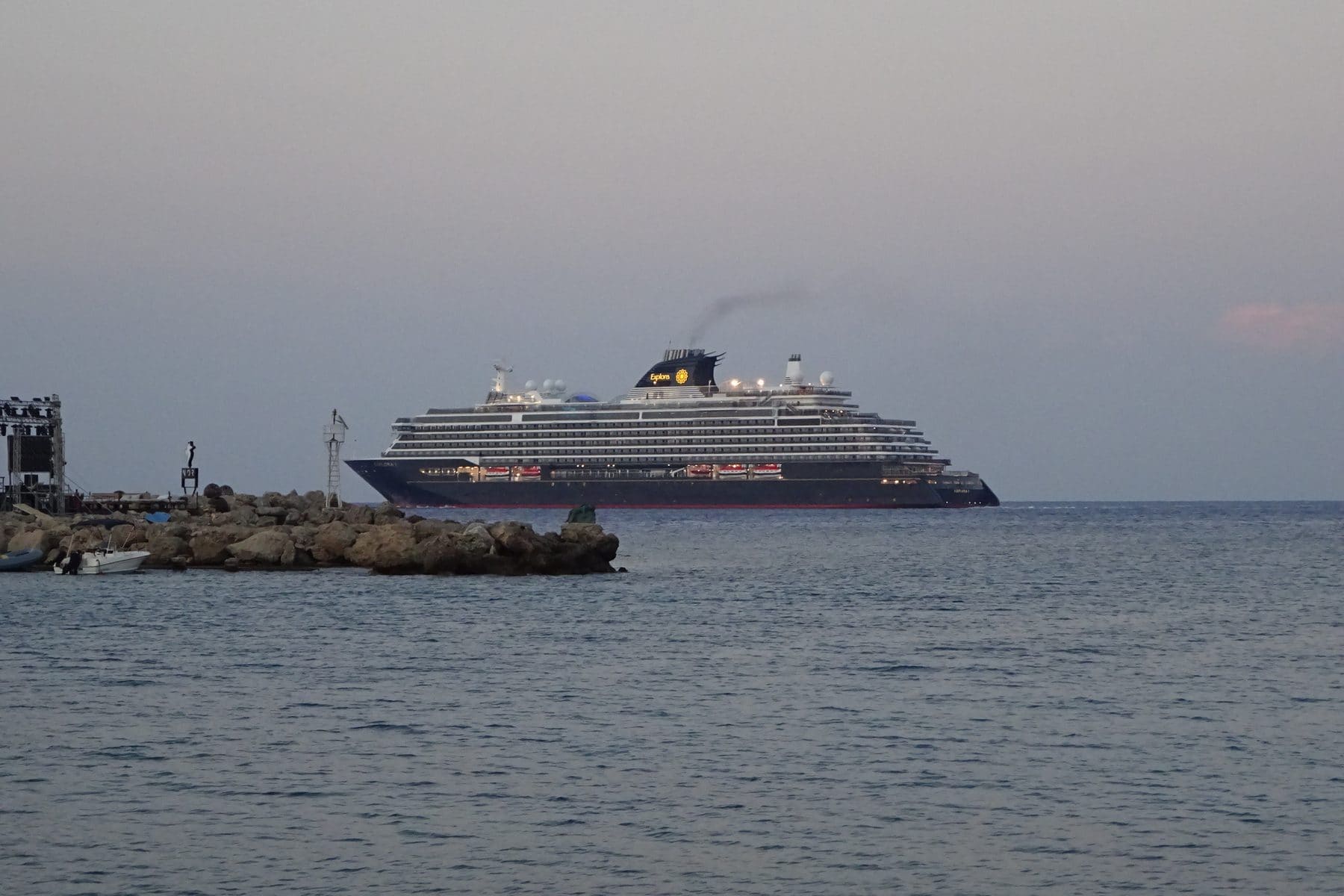
Explora fits families; Seabourn fits young adventurers
Choose Explora Journeys for most young families because its ships are designed around shared space and organized children’s activities. Choose Seabourn when capable older children care more about expedition access than a conventional family program. Explora I and Explora II make the easier default for mixed ages, especially when grandparents want privacy nearby. Seabourn Pursuit and Seabourn Venture suit families whose children can engage with wildlife, field guides, Zodiac rides, and changeable days ashore.
Explora works best when adults need dependable periods apart from their children without splitting the family vacation. Parents gain breathing room, teenagers gain their own social base, and grandparents can retreat without leaving the family’s immediate orbit. Seabourn asks more shared participation from the party. That can be rewarding with curious adolescents, but tiring with preschoolers who need naps, predictable meals, and simple diversions between ports. Young children should not be expected to enjoy an adult-led expedition rhythm all day.
Explora’s family proposition is the more explicit of the two. Its operating model addresses young guests, connected accommodations, shared public areas, and parent-only space. Seabourn’s strongest relevant proposition centers on remote destinations, naturalists, scientists, photographers, and active shore experiences. The comparison therefore turns on purpose. Book Explora when the ship must carry part of the childcare load. Book Seabourn when the family expects to spend most days learning and exploring together under professional guidance.
Families still needing another option can place Regent, Silversea, or Ponant on the initial shortlist. Those names should not distract from the central decision. Explora is the practical answer for a first family cruise and for grandparents funding several suites. Seabourn becomes persuasive when the children already hike, kayak, photograph wildlife, and handle schedule changes calmly. Neither is right for families expecting water slides, character entertainment, or nursery care modeled on a large resort ship.
Eighty-two connecting suites change the space decision
Choose Explora when bedroom separation matters more than a single large living room. Explora I and Explora II have 82 interconnecting accommodations across Ocean Suites, Ocean Penthouses, and Ocean Residences. That variety lets grandparents occupy one side while parents and children use the other. A closed connecting door preserves quiet after bedtime. An open door creates a shared family zone without sending children into a public corridor, which is a meaningful operational advantage during naps and early mornings.
Ocean Suites are the logical starting point for a smaller family that values connection over elaborate entertaining space. Ocean Penthouses and Ocean Residences become more useful when several adults plan to gather indoors or one accommodation will serve as headquarters. The category label alone does not settle the choice. The correct pairing depends on which units actually connect, where beds will be placed, and whether the adults want equal accommodations or a larger central suite beside a simpler one.
Seabourn Pursuit and Seabourn Venture take a different approach with oceanfront suites throughout their accommodations. That gives every booked suite an outward view, but it does not answer the family’s room-to-room circulation problem. Families considering Seabourn should prioritize a workable grouping over category prestige. Two appealing suites on different decks can undermine the trip when a parent must escort a child between rooms. A compact arrangement near an elevator may work better than a more impressive but scattered allocation.
Space per guest should be judged by usable family zones, not marketing language. A connecting pair can outperform one larger suite because it supplies two sleeping areas and more separation between generations. A single suite may remain sensible for two adults and one child who sleeps reliably. Families carrying a stroller, crib, expedition clothing, or several formal outfits need more storage discipline. The decisive question is where each person can sleep, dress, and decompress while another family member remains awake.
Nine dining choices favor flexible family days
Explora has the clearer dining advantage for families whose appetites and bedtimes rarely align. The included proposition identifies nine distinct culinary experiences, including in-suite dining. Separate material for Explora I describes 18 food-and-beverage venues, with five restaurants serving included menus. That breadth gives parents alternatives when a child rejects one menu or tires before dinner. In-suite service also protects an evening when a preschooler needs bed while adults still want a proper meal nearby.
Children are welcome in Explora’s restaurants, lounges, pools, and bars outside the designated adults-only area. The culinary team can accommodate younger guests at different times of day, which matters after a late shore return. Families should still match restaurant ambitions to their children’s patience. A relaxed meal can succeed with teenagers and grandparents, while several extended dinners may frustrate a preschooler. Flexible venue choice is more valuable than pursuing the same dining room every evening.
Seabourn’s expedition service is strongest when conversation becomes part of the day. Its specialists share regional knowledge during formal presentations and casual discussions over meals or during leisure time. That model suits teenagers who will ask questions after seeing glaciers, penguins, or Arctic wildlife. It is less compelling for a child who needs constant entertainment at the table. The service difference is therefore intellectual rather than merely ceremonial: Seabourn brings field expertise into daily contact with guests.
Treat onboard formality as a family-management question rather than the deciding contest. Explora’s many venues and all-day flexibility reduce the pressure to organize every evening around one dining event. Seabourn better rewards families comfortable joining adult conversations and setting a measured pace at meals. Parents should consider how often their children can sit through dinner after an active landing. Grandparents should consider whether they want family meals nightly or occasional adult dinners while younger guests follow their own routine.
Nautilus Club serves ages six through 17
Children aged six through 17 receive Explora’s strongest program. Nautilus Club operates daily from 9:00 a.m. until midnight, giving school-age children and teenagers a defined place beyond the family suite. Its equipment includes PlayStation 5, PlayStation VR2, Xbox, Nintendo Switch, iPads, and Oculus Pro. That technology will not replace family time, but it can rescue sea days and late evenings when adults want a slower dinner or quiet conversation together.
Children aged three through five can enter Nautilus Club only during specific age-appropriate periods and with a parent or guardian. That rule makes Explora suitable for preschoolers, but not equivalent to drop-off care for that age. Infants from six months through two years can receive toys in the suite, yet they have no organized Nautilus activities. Families with a baby should therefore plan around parental supervision, nap times, and the practical distance between their accommodation and preferred public spaces.
Teenagers gain more than screens aboard Explora. The club schedules sports sessions, technology tournaments, painting, arts and crafts, and activities elsewhere around the ship. Club hosts follow CLIA youth-activity and safeguarding standards. Environmental workshops address marine conservation, tourism, ship practices, and community support. This blend suits siblings with different interests and gives grandparents time alone. A teenager who dislikes organized groups may still prefer Seabourn’s direct exposure to scientists, photographers, and destination specialists.
Adults retain a protected retreat at Helios Pool & Bar on Deck 12, positioned forward with broad ocean views. Other selected spaces can become adult-only during busy periods, while separate areas may be assigned to families. This arrangement helps grandparents and parents reset without making children feel unwelcome elsewhere. Explora is not the right choice for parents expecting full nursery provision. Seabourn is not the right choice when a supervised youth base is central to every sea day.
Included drinks and optional kayaks change the bill
Explora’s included package covers many expenses that otherwise create repeated family decisions. Unlimited wine, Champagne, spirits, specialty coffee, tea, and soft drinks are available onboard, including in the suite. High-speed Wi-Fi and onboard gratuities are included. Port shuttles are also included where required and available. Parents can therefore focus their extra spending on shore activities and paid onboard experiences rather than routine beverages, connectivity, or service charges accumulated across several family members.
Adults also receive access to the Ocean Wellness thermal area and group fitness, wellness, and mindfulness activities. The arrival setup includes Champagne plus selected wine and spirits in the suite. These adult benefits matter when grandparents are paying for several accommodations, although children may use little of that value. Explora’s younger-guest offer applies to the journey fare rather than hotels before or after the cruise, transfers, Destination Experiences, and paid onboard activities. Those items remain separate planning decisions.
Seabourn’s expedition inclusions focus more directly on destination access. Depending on the location, included experiences can comprise Zodiac tours, cultural activities, snorkeling, guided walks, hikes, and shore landings where no dock infrastructure exists. A naturalist-led scenic cruise can run 90 to 120 minutes. This structure can produce stronger value for an active family because several important field experiences are built into the expedition day rather than treated as ordinary sightseeing purchased independently.
Optional Seabourn activities can materially change the trip’s total outlay even without discussing fares. Kayaking carries an extra charge, as can a Kimberley helicopter flight to Mitchell Falls or Arctic lava-cave exploration. Equipment is supplied for kayaking, and each expedition ship carries eight double kayaks. Capacity is therefore limited, and not every itinerary can use them. Families should budget mentally for the experiences their children will actually request instead of assuming every appealing expedition activity is included.
Seabourn Pursuit owns the expedition advantage
Choose Seabourn for destinations where the landing method matters as much as the port name. Seabourn Pursuit covers Antarctica, South Georgia, the Falklands, the Kimberley, and parts of the South Pacific. Seabourn Venture covers Antarctica, the Arctic, the British Isles, and the Northwest Passage. These are not interchangeable family vacations. Antarctica emphasizes wildlife and ice, while the Kimberley emphasizes river gorges, rock-art locations, reefs, and landings shaped by local conditions.
Antarctica gives older children direct reasons to stay engaged. Seabourn Pursuit and Seabourn Venture can use Zodiac cruises and guided nature walks around places such as Paradise Bay, Cuverville Island, Antarctic Sound, and Gerlache Strait. Wildlife may include seals, whales, and penguins. South Georgia and the Falklands add king penguin colonies, island walks, Zodiac landings, and close-range wildlife viewing. Families must accept that expedition operations can change as conditions determine where and when landings work.
The Arctic presents a different educational rhythm aboard Seabourn Venture. Svalbard, Greenland, Iceland, Jan Mayen Island, Bjørnøya, and Longyearbyen anchor a program involving Zodiac rides, geothermal areas, and a historic Viking town. Possible wildlife includes polar bears, walruses, seals, whales, seabirds, and Arctic foxes. The Northwest Passage adds Croker Bay, tundra walks, Inuit communities, and an Arctic Circle Trail hike. Those days suit fit teenagers better than young children needing predictable surfaces and short outings.
Alaska offers the less demanding bridge between a conventional cruise and a full expedition. Ventures by Seabourn applies only to designated Alaska sailings, not every itinerary that happens to call at an Alaskan port. Named possibilities include the Inian Islands, Cross Sound, Sawyer Glacier, Endicott Arm, Dawes Glacier, Hubbard Glacier, and Wrangell’s Rainbow Falls Trail. Families considering summer 2027 or summer 2028 should compare the exact sailing’s activity menu rather than assuming identical access throughout the region.
Seabourn Venture wins when landings lead the trip
Seabourn wins when the family wants the ship to support fieldwork rather than provide a children’s social calendar. Its expedition operation uses a 19-person team that includes academics, scientists, and naturalists. That expertise gives motivated teenagers direct access to people who can explain wildlife, geology, ecosystems, and local conditions. The advantage is strongest when parents and children share those interests. A reluctant child will not become engaged merely because the destination is remote or the guides are accomplished.
Ventures by Seabourn also wins for families testing active travel in Alaska. The optional outings require no previous experience, provide necessary equipment, and operate in small groups. A child who can paddle may choose a guided kayak, while another family member can ride in a Zodiac in many ports. That flexibility helps grandparents participate without matching the teenagers’ physical effort. The model remains activity-led, so it works poorly for families wanting long independent port days or extensive onboard entertainment.
Seabourn Venture becomes the stronger choice when flexible operations feel exciting rather than disruptive. Expedition descriptions can change because the team responds to weather, ice, wildlife, and safe landing opportunities. Families who enjoy that uncertainty may value an unscheduled wildlife encounter over a fixed port checklist. Families managing sensory needs, strict meal times, or anxiety around changed plans may find the same approach exhausting. Explora’s more ship-centered family structure will usually produce an easier daily rhythm for them.
Explora wins back the decision when family members need different vacations on the same ship. Children can join their activities, grandparents can use adult spaces, and parents can choose among dining settings without requiring universal enthusiasm for each landing. Seabourn wins only when the expedition itself is the shared reason for traveling. That distinction prevents an expensive mismatch. A remote itinerary should not be selected because adults admire the destination while the children mainly expect friends, games, and regular club hours.
Confirm Ocean Residence connections and age rules
Start the decision with the youngest child’s daily needs. A young child can use Nautilus Club’s principal age program, while a young child requires an accompanying parent during designated periods. A baby under six months cannot use Explora’s younger-traveler offer, and infants from six through 23 months must be booked under its stated occupancy conditions. Those differences matter more than restaurant preferences. Write down nap, supervision, bedtime, and mobility needs before comparing individual sailings.
Match each accommodation to the people actually occupying it. Explora’s younger-guest benefits require eligible infants and children to be registered as the third or fourth guests in the same suite. The first and second occupants do not qualify through age alone. Third or fourth adults may receive a different benefit on eligible bookings. A family using three or four suites can also encounter separate group conditions, including a requirement that one accommodation be an Ocean Penthouse or Ocean Residence.
Build the shore plan before judging the headline inclusions. On Seabourn, classify every desired activity as included, optional, capacity-limited, or dependent on operating conditions. On Explora, separate the cruise inclusions from Destination Experiences, hotels, transfers, and paid onboard activities. Grandparents should identify which outings require difficult landings, long walks, or small boats. Parents should decide which adult will remain with a tired child if the rest of the family proceeds ashore.
Use a simple final hierarchy: child supervision, room connections, dining tolerance, physical ability, destination priority, then inclusions. Do not reverse that order because one itinerary sounds more impressive. Explora should remain the default when the ship must work for several generations every day. Seabourn should move ahead only when shared expedition participation justifies its less child-centered rhythm. Ask us to confirm exact connecting-suite numbers, legal occupancy, age eligibility, club access, optional-activity capacity, and the final 2027 or 2028 itinerary before booking.
Questions people ask
Good to know
Questions, answered
Can children use a pool during Explora’s club hours?
Yes. Younger guests can receive reserved periods at one heated pool and the Sports Court through Nautilus Club activities. Those sessions are separate from ordinary family pool time and may depend on the onboard schedule. Helios Pool & Bar remains reserved for adults, so parents should not assume every pool area is open to children throughout the day.
Can a family kayak together on a Seabourn expedition?
Possibly, but capacity and operating conditions control access. Each expedition ship carries eight double kayaks, and a typical guided session lasts about 90 minutes. Kayaking is optional, carries an extra charge, and may not operate on every itinerary or departure. The landing schedule can also prevent advance assignment of a fixed kayak date.
Is there a extension before the cruise for a South Georgia sailing?
Seabourn lists a three-night Iguazu Falls option before certain Antarctica, South Georgia, and Falklands sailings. It visits the Argentine and Brazilian sides of the falls, with departure and return through Buenos Aires. Space is limited, and some nationalities may require visas. Families should consider the added flights and touring pace before attaching it to an already demanding expedition.
Does Seabourn offer a shorter family adventure in Australia?
A seven-day Australia Reef, Rock & Rainforest land program appears among Seabourn’s South Pacific options. Seabourn Pursuit also serves South Pacific locations including Easter Island, Agats in West Papua, Pentecost in Vanuatu, and Kitava in Papua New Guinea. The region can involve snorkeling, Zodiac rides, and historical sites, making swimming confidence and small-boat comfort important family considerations.
Are Explora’s child savings available in every suite position?
No. Children ages two through 17 and infants ages six through 23 months must be registered as the third or fourth guests in the suite for the younger-guest terms to apply. The first and second occupants do not become eligible because of age. Benefits can also apply only to selected journeys or suite categories and cannot necessarily be combined with another reduced-fare program.
Still have a question? Book a free 30 minute call or send us the brief.
Sources
Where to go next
- Cruise lines: Who each line is for, and who it isn't for.
- Compare ships: Our ratings for every line we sell.
- Book a free 30 minute call: Tell us who is traveling; we will shortlist the ships we would consider.